Execution of Catherine Howard: February 13, 1542
1542 · London, England
Catherine Howard, the fifth wife of King Henry VIII of England, was executed for adultery.
May 17, 1521
Edward Stafford, 3rd Duke of Buckingham, was executed for treason, marking a significant event in the power struggles of the English nobility during the reign of King Henry VIII.
London, England | English Monarchy
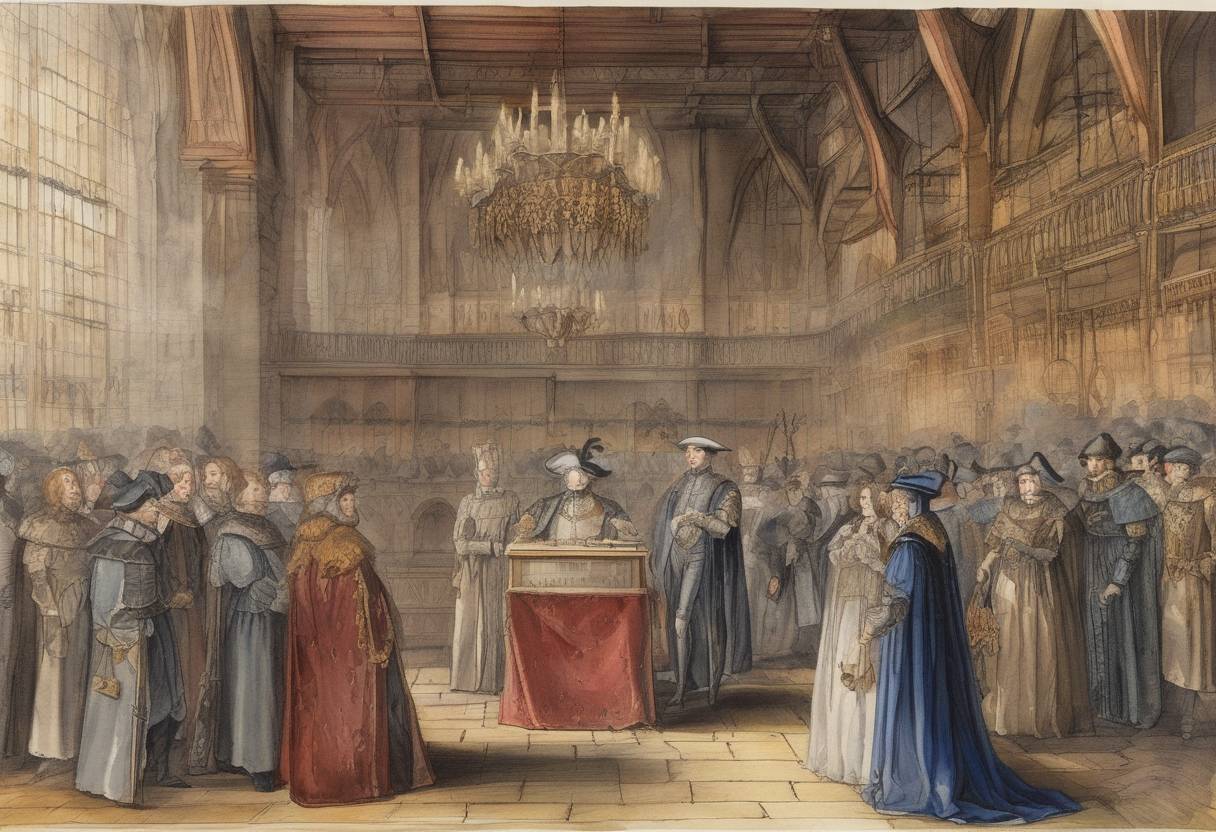
On May 17, 1521, Edward Stafford, the 3rd Duke of Buckingham, was executed for treason, a pivotal event in the power dynamics of the English nobility during King Henry VIII’s reign.
Edward Stafford was born in 1478 into one of the most prominent noble families in England. The Stafford family had a long history of influence and power, tracing their lineage back to the Plantagenets. Edward inherited the title of Duke of Buckingham in 1485 after the death of his father, Henry Stafford, who was executed by Richard III.
During the early years of Henry VIII’s reign, Buckingham held significant sway at court. However, his vast wealth, noble lineage, and potential claim to the throne made him a target of suspicion. Henry VIII, wary of any threats to his rule, was particularly sensitive to any perceived challenges to his authority.
The charges against Buckingham were largely based on accusations of treasonous conversations and prophecies regarding the king’s death. Cardinal Thomas Wolsey, Henry’s chief advisor, played a crucial role in orchestrating the case against Buckingham. The Duke was arrested in April 1521 and brought to trial before a panel of peers, including many who were his rivals or had been influenced by Wolsey.
The trial was swift, and Buckingham was found guilty of treason. The evidence against him was largely circumstantial, relying on testimonies from disgruntled former servants and associates.
Buckingham was executed on May 17, 1521, at Tower Hill in London. His death marked a significant moment in the consolidation of Henry VIII’s power, serving as a stark warning to other nobles about the dangers of opposing the king or appearing too ambitious.
Buckingham’s downfall is a testament to the volatile nature of Tudor politics and the shifting power structures of early 16th-century England.
Source: en.wikipedia.org