The Fall of Kabul: August 15, 2021
2021 · Kabul, Afghanistan
The Taliban captured Kabul, leading to the collapse of the Afghan government and the end of the U.S.-led war in Afghanistan.
September 6, 2020
In a peace negotiation attempt, the Afghan government and the Taliban agreed to begin talks to end almost two decades of violence in Afghanistan, marking a significant step towards potential peace.
Doha, Qatar | Afghan government and the Taliban
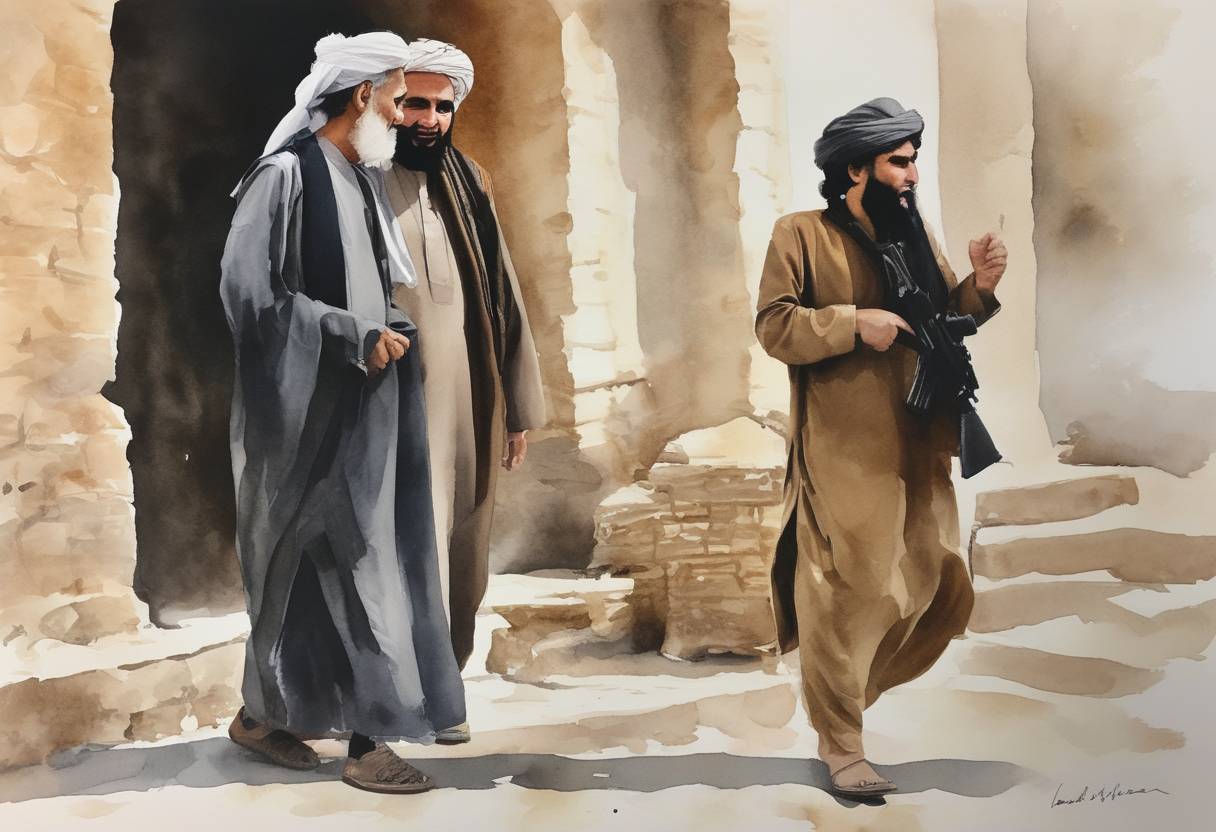
On September 6, 2020, the Afghan government and the Taliban reached a pivotal agreement to initiate peace talks aimed at ending nearly two decades of ongoing conflict in Afghanistan. This decision represented a significant step toward establishing a sustainable peace framework after years of warfare that followed the 2001 U.S.-led invasion which toppled the Taliban regime.
Efforts to bring the Taliban to the negotiating table have been ongoing, particularly intensifying following the United States’ agreement with the Taliban signed in February 2020 in Doha, Qatar. This U.S.-Taliban deal outlined the withdrawal of American troops in exchange for the Taliban’s commitment to prevent the use of Afghan soil for terrorist activities and to engage in intra-Afghan dialogues.
Announcement of Talks: After several delays, the initiation of the talks was a result of months of diplomatic efforts, predominantly facilitated by international actors like the United States. The dialogues were projected to take place in Doha, Qatar.
Prisoner Exchange: A critical milestone had to be achieved before the talks could proceed. This involved a prisoner swap that was part of the agreements laid out earlier. The Afghan government completed a significant portion of this swap, releasing Taliban prisoners, which paved the way for the negotiations to officially begin.
Ceasefire Discussions: Although a ceasefire was not immediately put into effect, it remained a crucial point of contention and a core topic for the negotiations.
The commencement of these talks was noteworthy as it marked the first time representatives of the Afghan government directly engaged with the Taliban, aiming to address major issues such as governance, women’s rights, and future political power-sharing arrangements.
The talks were viewed as a fragile yet hopeful pathway to ending decades of instability. While they carried the potential to halt further bloodshed and initiate rebuilding processes, the complexity and deep-rooted mistrust between the parties posed significant challenges.
This negotiation represented hope for peace and underscored the profound influence of diplomatic intervention in resolving long-standing conflicts. The Afghan peace process’s long-term outcomes would continue to depend heavily on the political will and cooperation among involved parties, both domestic and international.
Source: www.bbc.com