The First Episode of Star Trek Airs on NBC - September 8, 1966
1966 · New York City, United States
The first episode of Star Trek airs on NBC.
December 25, 1946
The first performance of 'Amahl and the Night Visitors', the first opera specifically composed for television, was broadcast on NBC.
New York City, United States | NBC
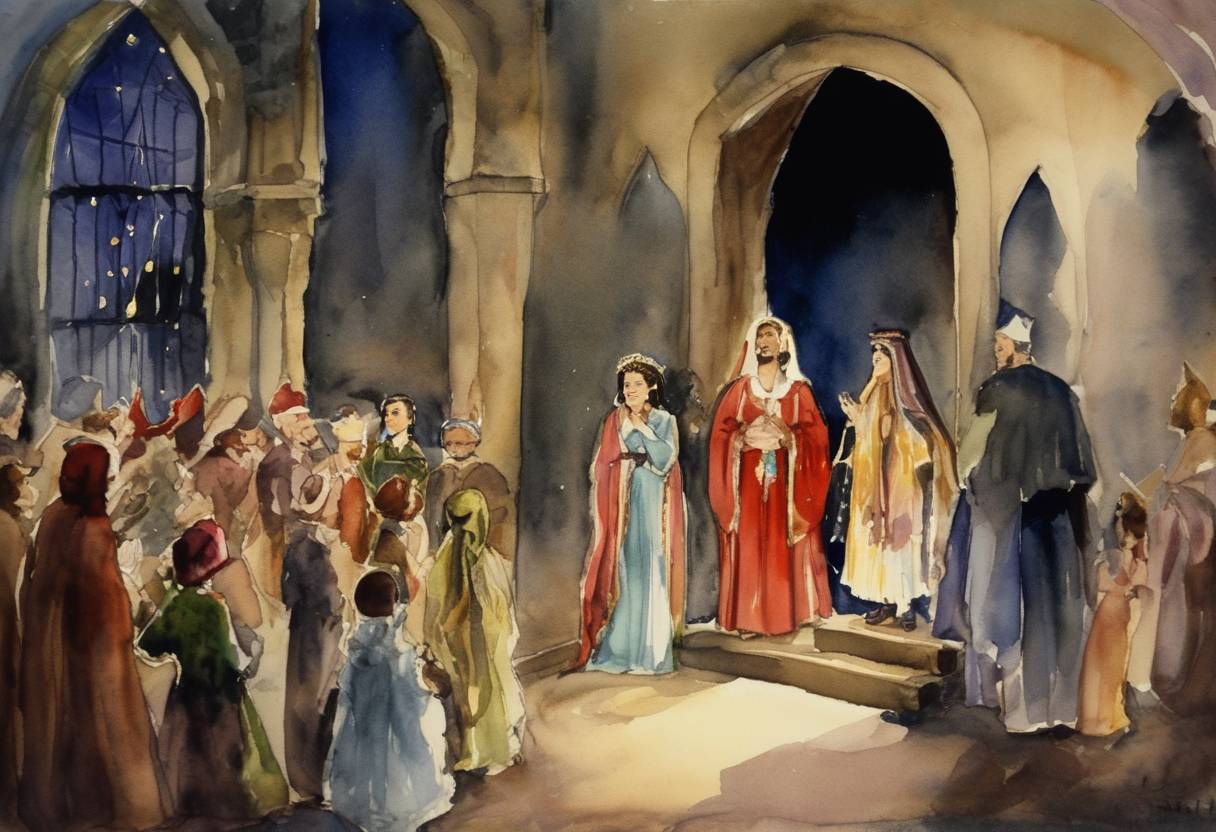
The first performance of “Amahl and the Night Visitors” was broadcast on December 24, 1951, not 1946, on NBC. “Amahl and the Night Visitors” is a notable work in the history of opera and television because it was the first opera specifically composed for television. This opera was written by Italian-American composer Gian Carlo Menotti.
Gian Carlo Menotti wrote “Amahl and the Night Visitors” for NBC’s Hallmark Hall of Fame. Commissioned by NBC, the project marked a groundbreaking moment in broadcasting as it sought to bring opera to the television audience. Menotti found inspiration from Hieronymus Bosch’s painting “The Adoration of the Magi” that he saw at The Metropolitan Museum of Art in New York City.
The opera is a one-act performance centered around a young, disabled boy named Amahl who lives with his impoverished mother near Bethlehem. One night, the Magi visit their home on their way to see the Christ child, creating a story filled with themes of generosity, faith, and miracles.
Broadcast live from NBC’s Studio 8H at Rockefeller Center, the performance made history as it pioneered future collaborations between television and the arts. The opera featured a cast that included Chet Allen as Amahl and Rosemary Kuhlmann as his mother, with Thomas Schippers conducting.
The favorable reception of “Amahl and the Night Visitors” highlighted television’s potential for artistic presentations, setting a precedent for future telecasts of professional live performances. It became an annual tradition on TV for many years, further cementing its place in American cultural history.
The opera remains a beloved piece demonstrating the intersection of technology, art, and accessibility, significantly broadening the audience for opera.
Source: www.loc.gov