Canada Legalizes Recreational Cannabis: October 17, 2018
2018 · Ottawa, Canada
Canada became the second country in the world to legalize the recreational use of cannabis, following Uruguay.
October 18, 2018
Cannabis was officially legalized in Canada, making it the second country in the world, after Uruguay, to implement a national marijuana marketplace. This move aimed to regulate the drug to restrict its access to youth and reduce the burden on the criminal justice system.
Ottawa, Canada | Government of Canada
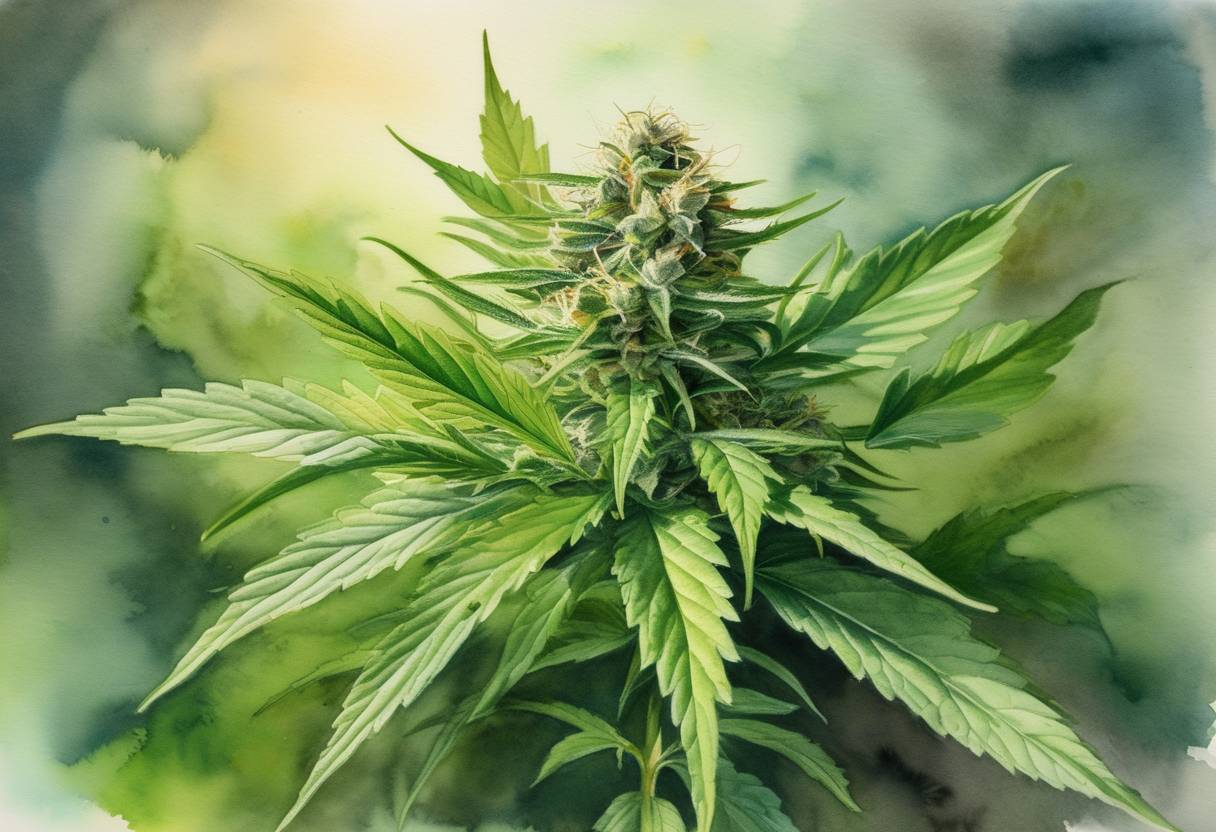
On October 17, 2018, Canada officially became the second country in the world to legalize the recreational use of cannabis. This landmark decision followed Uruguay, which had previously made a similar move. The legalization aimed to establish a regulated cannabis marketplace with specific goals to restrict access to the youth and to lessen the strain on the nation’s criminal justice system.
The journey towards legalization was a pivotal campaign promise by Prime Minister Justin Trudeau and his Liberal Party, who believed that prohibition was ineffective and that regulation would lead to better control over the substance. Prior to legalization, cannabis was only legal for medical purposes in Canada, following its initial legalization for medicinal use in 2001.
The Cannabis Act, officially known as Bill C-45, provided the legal framework for the production, distribution, sale, and possession of cannabis across Canada. The act allowed adults to possess up to 30 grams of legal cannabis in public and grow up to four cannabis plants per household for personal use. Furthermore, the act established benchmarks for retail sales, giving the individual provinces the authority to manage distribution and sales, which varied across the country.
The shift to a legal framework was also aimed at curbing illegal cannabis sales. By regulating the market, it intended to reduce the involvement of organized crime in the cannabis industry. The government and authorities intended to channel profits into regulatory and educational measures to ensure public health and safety, particularly targeting the youth to educate them about risks while aiming to minimize underage access.
After legalization, the Canadian cannabis industry rapidly emerged, creating numerous business opportunities and challenges as companies sought to establish market positions in this new legal environment. Initially, the legalization process faced issues such as supply shortages and regulatory bottlenecks. Nevertheless, over time, these challenges were gradually addressed as the market matured.
The Canadian approach served as a major point of reference for discussions on drug policy reform worldwide, fostering dialogue on the merits and challenges of cannabis legalization and its broader implications.
Overall, Canada’s historic move represented a significant shift in drug policy, emphasizing regulation, public health, and safety in an effort to manage a substance that had been criminalized for nearly a century.
Source: www.nytimes.com