Three Flags Day: December 30, 1803
1803 · St. Louis, USA
The United States takes formal possession of the Louisiana Territory from France during the ceremonial transfer in St. Louis, known as the Three Flags Day.
December 20, 1803
The formal transfer of the Louisiana Territory from France to the United States took place in St. Louis, marking the completion of the Louisiana Purchase.
St. Louis, United States | United States Government
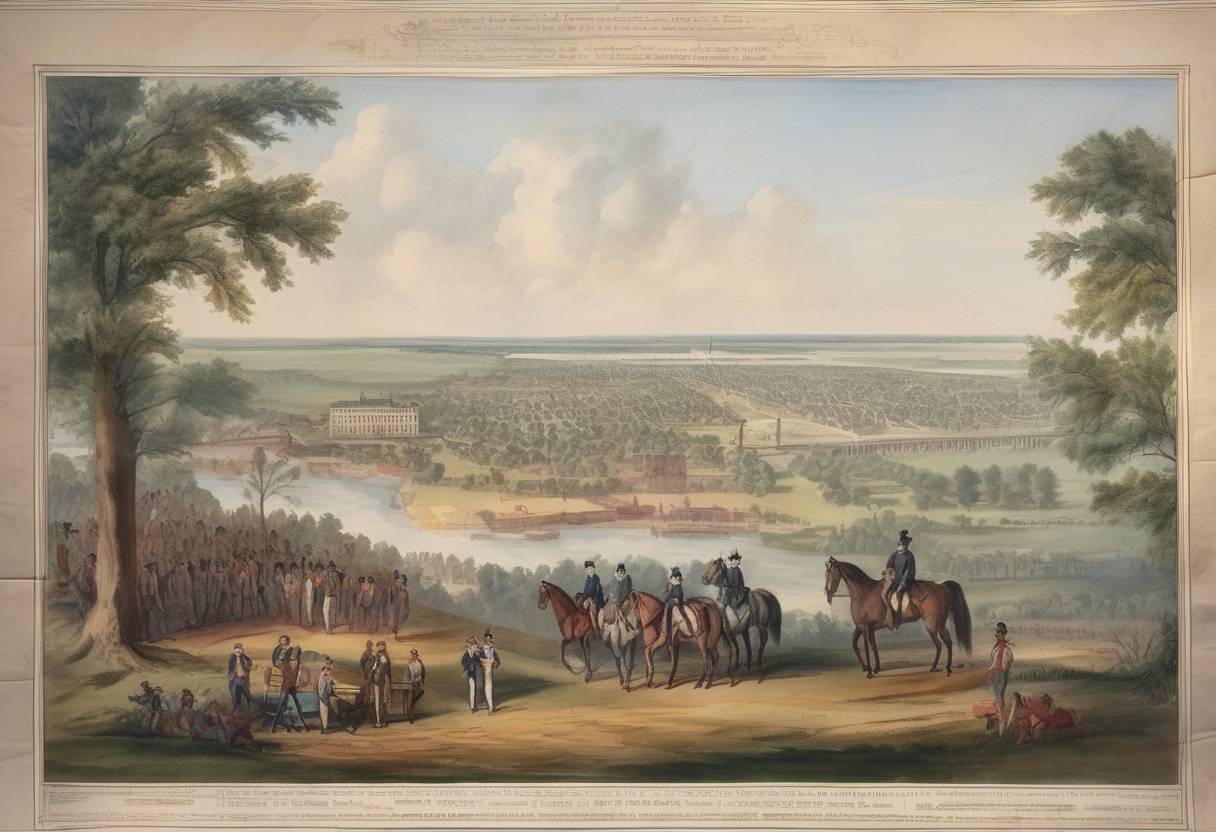
On December 20, 1803, a pivotal moment in American history unfolded in St. Louis, Missouri, with the formal transfer of the Louisiana Territory from France to the United States. This event marked the completion of the Louisiana Purchase, a monumental land acquisition that significantly expanded the territory of the United States.
The Louisiana Purchase was a result of negotiations between the United States and France. In 1803, President Thomas Jefferson sought to secure American access to the Mississippi River and the port of New Orleans, crucial for trade. Initially, the U.S. aimed to purchase only New Orleans and its surrounding areas. However, France, under the leadership of Napoleon Bonaparte, offered to sell the entire Louisiana Territory, which spanned approximately 828,000 square miles, for $15 million.
The offer was driven by several factors:
The formal transfer ceremony took place in St. Louis, which was then a small but strategically important settlement. The event is often referred to as the “Three Flags Day” because it involved the lowering of the French flag and the raising of the American flag, symbolizing the change in sovereignty.
The acquisition of the Louisiana Territory had profound implications for the United States:
The Louisiana Purchase is often hailed as one of the most significant achievements of Thomas Jefferson’s presidency and a defining moment in the westward expansion of the United States. It set the stage for the nation’s growth into a continental power and had lasting impacts on its political, economic, and social landscape.
Source: www.archives.gov