Establishment of the Second French Empire: Napoleon III
1852 · Paris, France
Louis-Napoléon Bonaparte declared himself Emperor Napoleon III, establishing the Second French Empire.
May 29, 1849
The French socialist and revolutionary leader Louis-Napoleon Bonaparte, prior to becoming Emperor Napoleon III, was elected as a representative for Corsica in the French National Assembly.
Corsica, France | French National Assembly
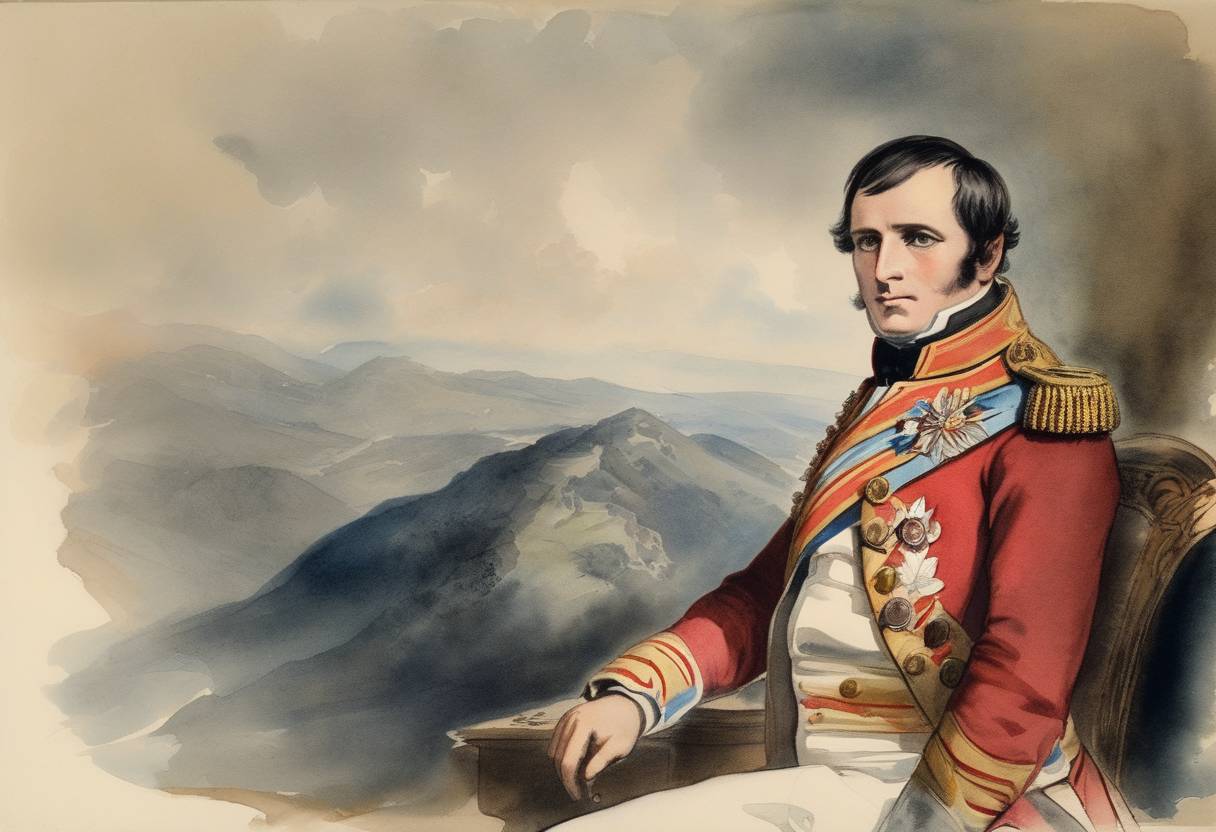
On May 29, 1849, Louis-Napoleon Bonaparte, who would later become Emperor Napoleon III, was elected as a representative for Corsica in the French National Assembly. This event marked a significant point in his political resurgence in France, following his earlier failed attempts to seize power and a period of exile.
The political landscape in France during this time was characterized by turbulence and change. In February 1848, the February Revolution led to the abdication of King Louis-Philippe and the establishment of the Second French Republic. Louis-Napoleon, who had been living in exile in both Switzerland and England due to prior unsuccessful coup attempts, saw this as a renewed opportunity to pursue his political ambitions.
Return from Exile: After the February Revolution, Louis-Napoleon returned to France. He found a populace ready for leadership that promised stability mixed with republican ideals, promoting his Napoleonic legacy.
Election as a Representative: Prior to his election for Corsica, Louis-Napoleon was already elected to represent Paris and several other departments in 1848. His popularity and political strategy capitalized on his family name and the public’s romanticized view of his uncle, Napoleon Bonaparte.
Political Platform: As a candidate, he presented himself as a moderate republican, appealing both to conservative factions and those nostalgic for the Napoleonic era’s glory. This approach enabled him to gather significant support across various sectors of French society.
Path to Presidency: This election bolstered his political standing significantly. In December 1848, he was elected President of the French Second Republic by a landslide, indicating his widespread appeal and the success of his political strategies.
Rise to Power: Louis-Napoleon’s position as a national assembly representative for Corsica was one more step in his carefully crafted rise, which ultimately led to his 1851 coup d’état and declaration as Napoleon III, Emperor of the French, in 1852.
Impact on French Politics: His later reign would significantly shape French history, notably through the development and eventual downfall of the Second French Empire.
Louis-Napoleon Bonaparte’s election to the French National Assembly on May 29, 1849, was not merely a political achievement but also a pivotal moment in his journey toward transforming French governance and leaving a profound historical legacy.
Source: www.britannica.com