The Rare "Super Blue Blood Moon" of January 31, 2018
2018 · Global, Global
A rare 'super blue blood moon' occurs, a combination of a supermoon, a blue moon, and a total lunar eclipse, visible in parts of North America, Asia, and Australia.
July 27, 2018
The longest total lunar eclipse of the 21st century occurs, lasting approximately 1 hour and 43 minutes, and is visible across much of Europe, Asia, Australia, Africa, and South America.
Global, Global | NASA
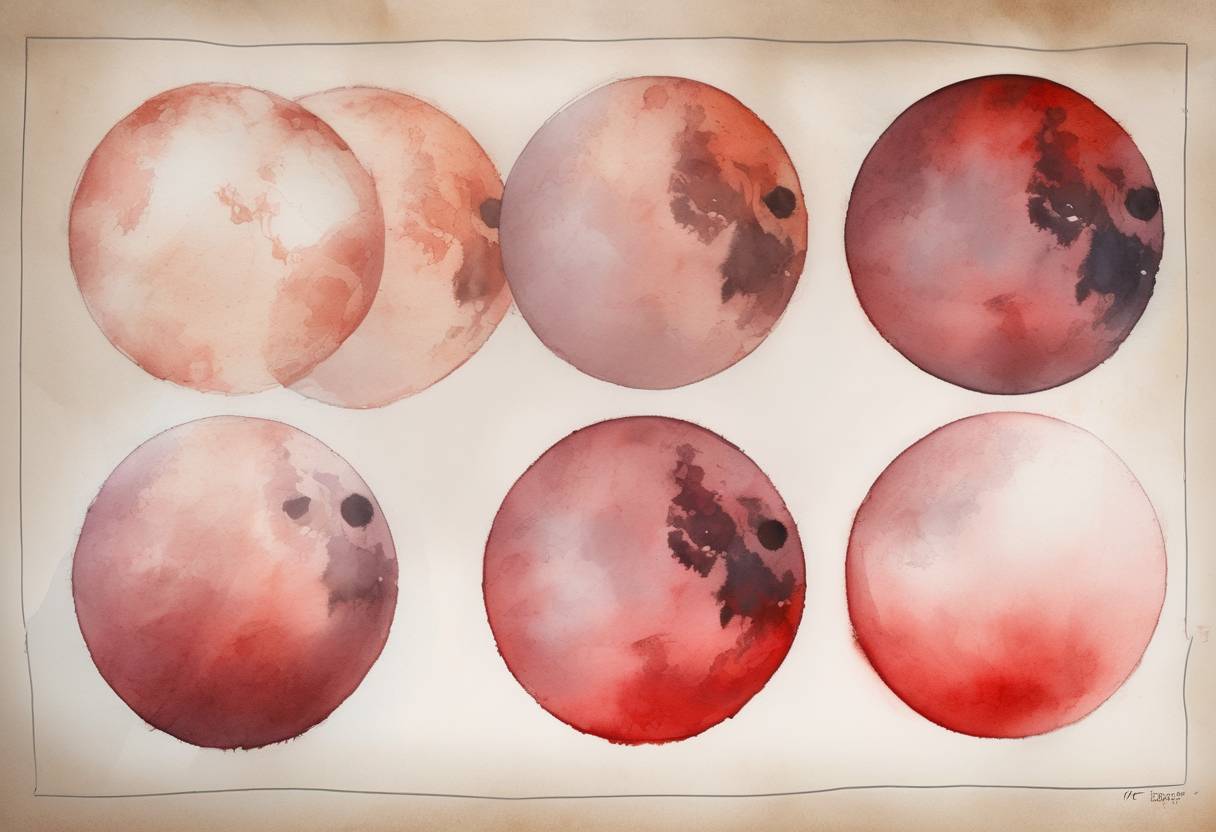
On July 27, 2018, the world witnessed the longest total lunar eclipse of the 21st century, lasting approximately 1 hour and 43 minutes. This celestial event was visible across much of Europe, Asia, Australia, Africa, and South America, captivating millions of skywatchers.
A lunar eclipse occurs when the Earth comes between the Sun and the Moon, casting a shadow on the Moon. A total lunar eclipse happens when the entire Moon falls within the Earth’s umbra, the central, darkest part of its shadow. The duration of a total lunar eclipse can vary, but the one on July 27, 2018, was particularly notable for its length.
The exceptional duration of this eclipse was due to several factors:
Apogee: The Moon was near its apogee, the farthest point in its orbit from Earth. This made the Moon move more slowly across the Earth’s shadow, prolonging the eclipse.
Central Path: The Moon passed through the central part of the Earth’s shadow, maximizing the time it spent in totality.
Lunar eclipses have been observed and recorded throughout history, often imbued with cultural and spiritual significance. The 2018 eclipse was no exception, drawing attention from both amateur and professional astronomers, as well as the general public.
Scientific Observations: Astronomers used the opportunity to study the Moon’s surface and the Earth’s atmosphere. The reddish hue of the Moon during totality, known as a “Blood Moon,” is caused by the Earth’s atmosphere scattering sunlight and filtering out blue light, allowing red light to reach the Moon.
Cultural Events: Many cultures held viewing parties and events to celebrate the eclipse, reflecting the enduring human fascination with celestial phenomena.
The July 27, 2018, lunar eclipse remains a significant event in the study of astronomy and continues to inspire interest in celestial events. It served as a reminder of the intricate dance of celestial bodies and the beauty of the natural world.
In summary, the longest total lunar eclipse of the 21st century on July 27, 2018, was a remarkable astronomical event that captivated a global audience and provided valuable opportunities for scientific study and cultural celebration.
Source: www.space.com