Establishment of the Moscow–Washington Hotline
1963 · Washington, D.C., United States
The Moscow–Washington hotline, a direct communication link between the United States and the Soviet Union, is established.
November 8, 1965
The Higher Education Act of 1965 was signed into law by President Lyndon B. Johnson, which increased federal money given to universities, created scholarships, and provided low-interest loans for students.
Washington, D.C., United States | United States government
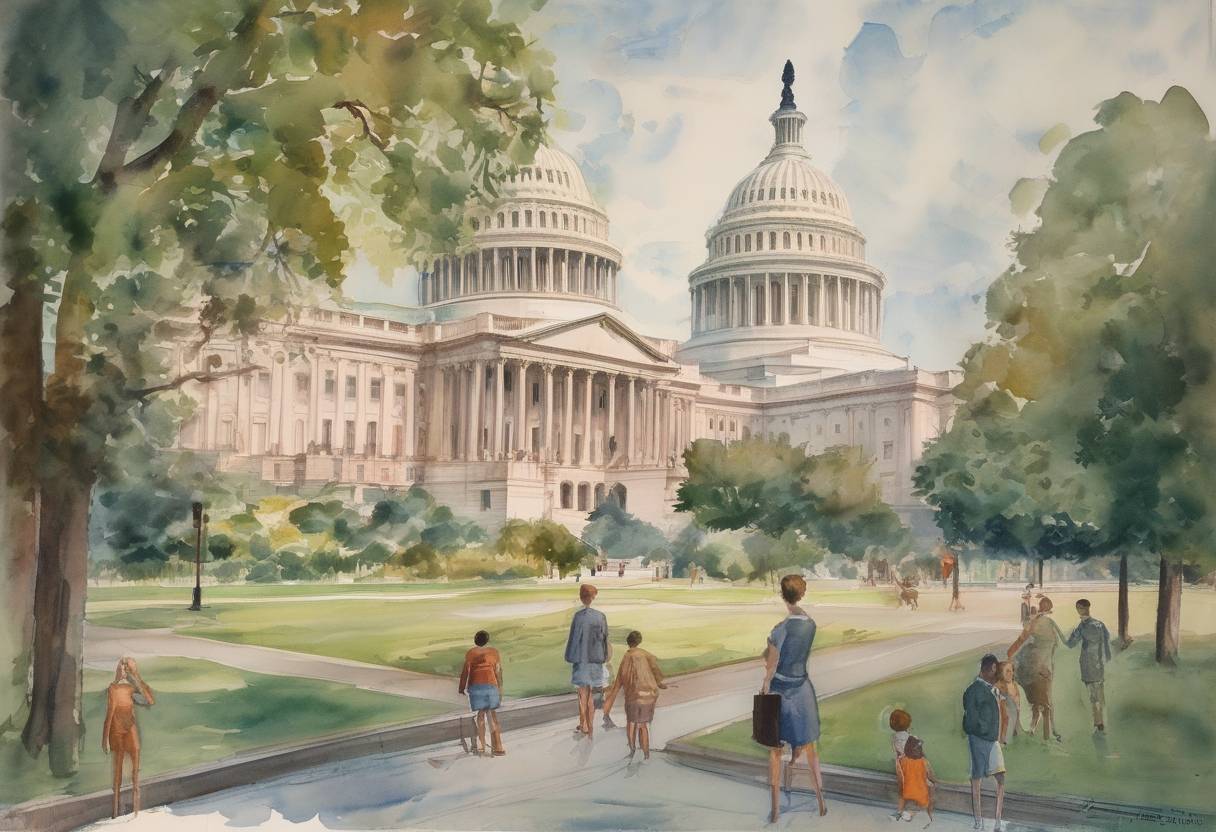
On November 8, 1965, President Lyndon B. Johnson signed the Higher Education Act into law, marking a significant milestone in the history of American education. This legislation was part of Johnson’s broader “Great Society” initiative, which aimed to eliminate poverty and racial injustice in the United States. The Act sought to strengthen the educational resources of colleges and universities and to provide financial assistance to students in postsecondary and higher education.
Increased Federal Funding: The Act significantly increased the amount of federal money allocated to universities. This funding was intended to improve the quality of higher education institutions across the country.
Creation of Scholarships: It established new scholarship programs to help students from low-income families afford college education. These scholarships aimed to make higher education accessible to a broader segment of the population.
Low-Interest Student Loans: The Act introduced low-interest loans for students, making it easier for them to finance their education. This provision was crucial in enabling more students to attend college without the burden of prohibitive costs.
Work-Study Programs: The legislation also included provisions for work-study programs, allowing students to earn money to help pay for their education while gaining valuable work experience.
The Higher Education Act of 1965 was enacted during a period of significant social change in the United States. The Civil Rights Movement was at its peak, and there was a growing recognition of the need for educational reform to promote equality and opportunity. By providing financial support to students and institutions, the Act aimed to democratize higher education and reduce economic barriers.
The impact of the Higher Education Act was profound and long-lasting. It laid the foundation for the modern federal student aid system and significantly increased college enrollment rates. Over the years, the Act has been reauthorized and amended multiple times to address the evolving needs of students and educational institutions.
The signing of the Higher Education Act of 1965 was a pivotal moment in the history of American education policy. It reflected a commitment to expanding educational opportunities and addressing socioeconomic disparities. The Act’s legacy continues to influence higher education policy and remains a cornerstone of federal support for students pursuing postsecondary education.
In summary, the Higher Education Act of 1965 was a transformative piece of legislation that reshaped the landscape of higher education in the United States, making it more accessible and equitable for future generations.
Source: www.history.com