Idaho's Admission as the 43rd State of the United States
1890 · Boise, United States
Idaho was admitted as the 43rd state of the United States.
November 11, 1889
Washington was admitted as the 42nd state of the United States, expanding the nation's territory in the Pacific Northwest.
Olympia, United States | United States Congress
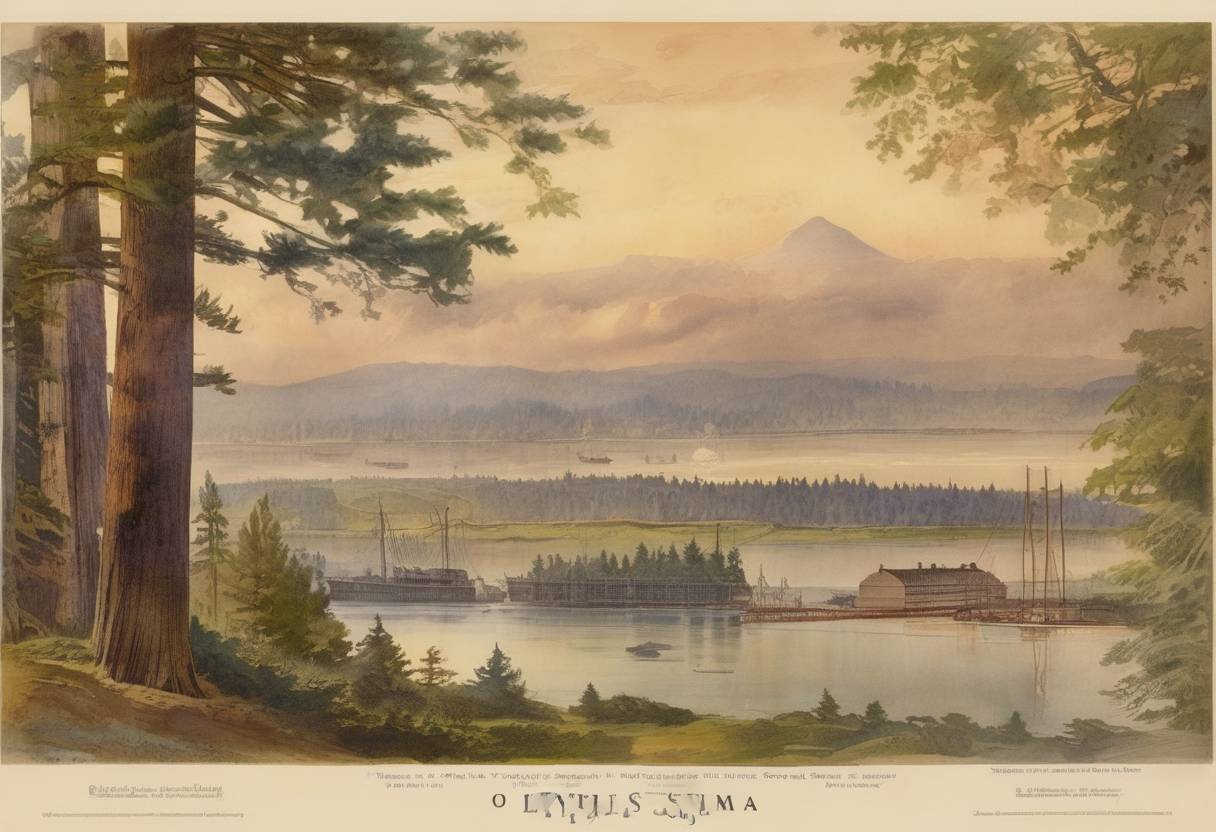
On November 11, 1889, Washington was officially admitted as the 42nd state of the United States, marking a significant expansion of the nation’s territory in the Pacific Northwest. This event was a culmination of several historical developments and played a crucial role in shaping the region’s future.
Early Exploration and Settlement: The area that would become Washington was originally inhabited by various Native American tribes. European exploration began in the late 18th century, with British and American explorers charting the region. The Lewis and Clark Expedition (1804-1806) further mapped the area, paving the way for future settlement.
Oregon Territory: In 1846, the Oregon Treaty between the United States and Great Britain established the 49th parallel as the boundary, leading to the creation of the Oregon Territory in 1848. Washington was part of this territory until it was separated to form the Washington Territory in 1853.
Economic Growth: The mid-to-late 19th century saw significant economic growth in the region, driven by industries such as logging, fishing, and mining. The completion of the Northern Pacific Railway in 1883 further spurred economic development and population growth.
Population Increase: By the 1880s, the population of the Washington Territory had grown substantially, driven by an influx of settlers attracted by economic opportunities and the promise of land.
Constitutional Convention: In 1889, a constitutional convention was held in Olympia, the territorial capital, where delegates drafted a state constitution. This document laid the groundwork for Washington’s governance as a state.
Enabling Act: The U.S. Congress passed the Enabling Act of 1889, which allowed Washington, along with North Dakota, South Dakota, and Montana, to draft constitutions and seek admission to the Union.
Statehood: On November 11, 1889, President Benjamin Harrison signed the proclamation admitting Washington as the 42nd state. This event marked a significant milestone in the expansion of the United States, as it solidified American presence in the Pacific Northwest.
Economic and Political Impact: Statehood brought increased political representation and federal investment to Washington. The state’s economy continued to grow, with Seattle and other cities emerging as important economic centers.
Cultural and Demographic Changes: The admission of Washington also led to demographic changes, with continued migration and settlement contributing to the state’s diverse cultural landscape.
Development: Washington’s admission set the stage for its development into a major economic and cultural hub. The state’s natural resources and strategic location have played a critical role in its growth.
Influence: Today, Washington is known for its vibrant economy, technological innovation, and cultural contributions, reflecting its historical roots and ongoing evolution since its admission to the Union.
Washington’s statehood in 1889 was a pivotal moment in the history of the Pacific Northwest, shaping the region’s trajectory and contributing to the broader narrative of American expansion and development.
Source: en.wikipedia.org