The Longest Solar Eclipse of the 21st Century: July 22, 2009
2010 · Various, Various
The longest solar eclipse of the 21st century occurs, lasting up to 6 minutes and 39 seconds.
July 2, 2019
A total solar eclipse was visible across parts of the South Pacific, Chile, and Argentina.
Buenos Aires, Argentina | None
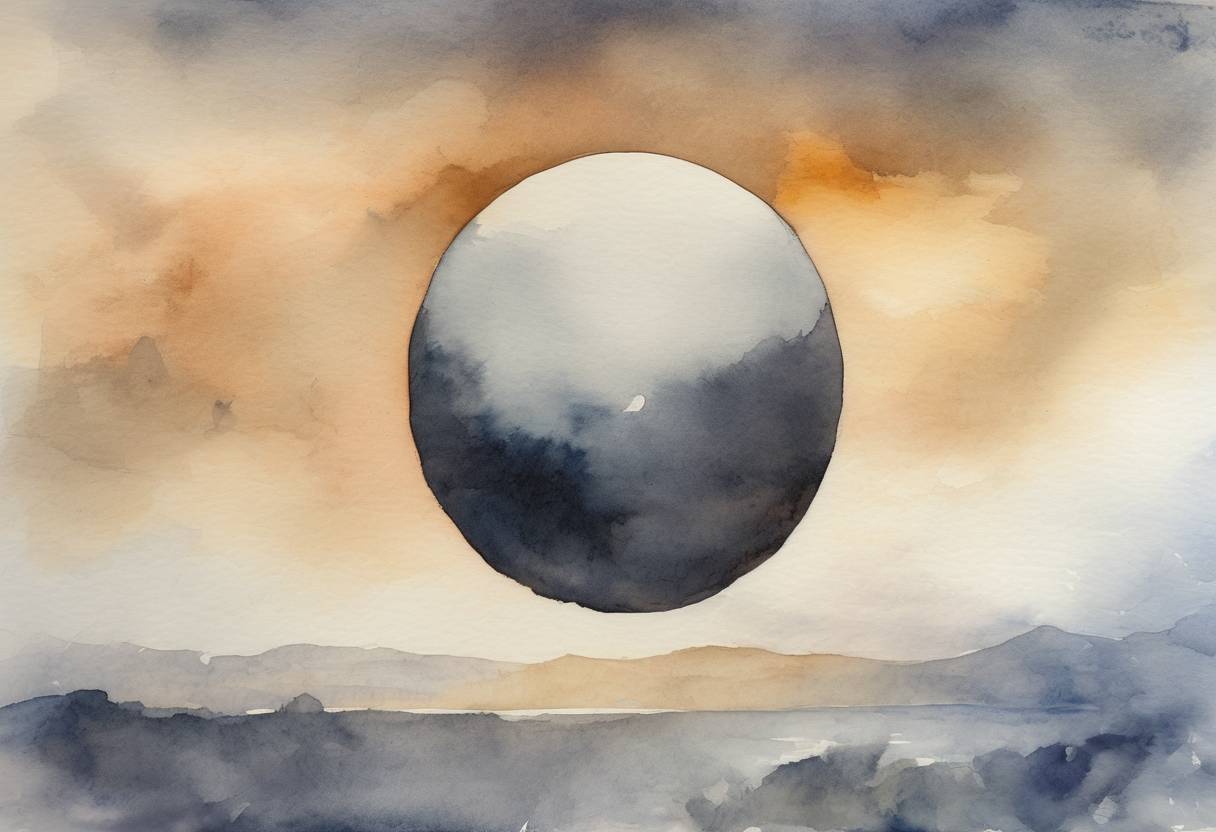
On July 2, 2019, a total solar eclipse was visible across parts of the South Pacific Ocean, Chile, and Argentina. This astronomical event was a significant occurrence for both scientists and the general public, offering a rare opportunity to observe the complete obscuration of the Sun by the Moon.
The path of totality, where the eclipse was visible in its full glory, began over the South Pacific Ocean. It then made landfall in Chile, passing through regions such as La Serena and Coquimbo, before moving across the Andes Mountains into Argentina. The eclipse concluded as it moved across the South Atlantic Ocean.
Total solar eclipses offer unique opportunities for scientific research. During the eclipse, astronomers and scientists conducted various studies, including:
Eclipses have historically held cultural significance, often viewed as omens or significant events. In modern times, they are celebrated as natural wonders. The 2019 eclipse drew significant public interest, with events and viewing parties organized in various locations along the path of totality.
The total solar eclipse of July 2, 2019, was part of Saros cycle 127, a series of eclipses that occur approximately every 18 years. It was followed by another total solar eclipse on December 14, 2020, which also passed over parts of South America.
This event contributed to ongoing research in solar and atmospheric sciences and reinforced the importance of eclipses in both scientific and cultural contexts. It also highlighted the need for public engagement and education in astronomy, as such events inspire curiosity and wonder about the universe.
Source: www.space.com