Economic Growth and Tax Relief Reconciliation Act of 2001
2001 · Washington, D.C., United States
The United States Senate passes the Economic Growth and Tax Relief Reconciliation Act of 2001, which includes significant tax cuts.
June 27, 2013
The U.S. Senate passes a comprehensive immigration reform bill, which includes a path to citizenship for undocumented immigrants.
Washington D.C., United States | United States Senate
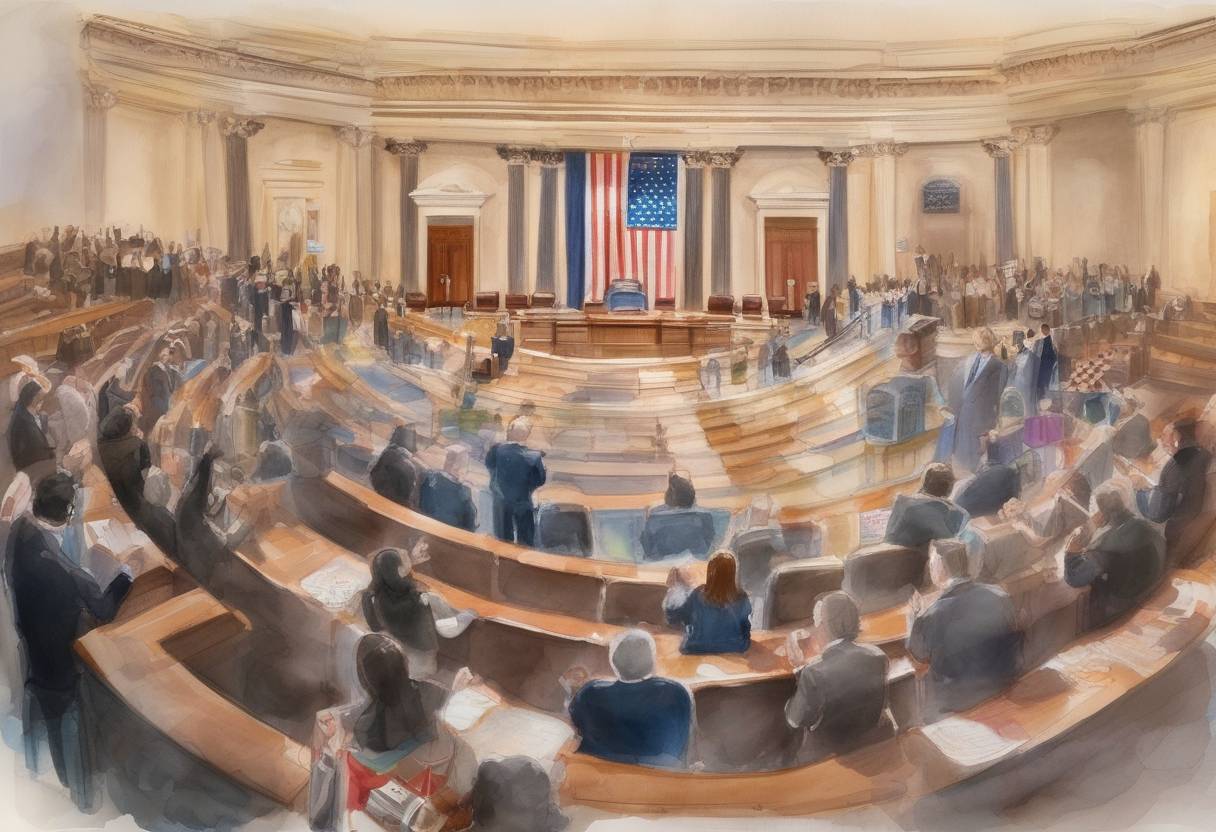
On June 27, 2013, the United States Senate passed a significant piece of legislation aimed at overhauling the country’s immigration system. Known as the Border Security, Economic Opportunity, and Immigration Modernization Act of 2013, or Senate Bill 744, this comprehensive immigration reform bill was a landmark effort to address various aspects of immigration policy, including border security, visa programs, and the status of undocumented immigrants.
Path to Citizenship: One of the most notable features of the bill was the creation of a pathway to citizenship for the estimated 11 million undocumented immigrants living in the United States at the time. This process included several steps:
Border Security: The bill allocated significant resources to enhance border security. It proposed doubling the number of Border Patrol agents and completing 700 miles of fencing along the U.S.-Mexico border. Additionally, it called for the implementation of an electronic entry-exit tracking system at airports and seaports.
Visa Reforms: The legislation aimed to reform the visa system by increasing the number of visas available for high-skilled workers and creating a new visa category for low-skilled workers. It also proposed changes to the agricultural worker program and aimed to reduce the backlog of family-based and employment-based visa applications.
E-Verify System: The bill mandated the use of the E-Verify system by employers to check the legal status of their employees, aiming to prevent the hiring of undocumented workers.
The passage of the bill in the Senate was the result of bipartisan efforts, notably led by the “Gang of Eight,” a group of four Democratic and four Republican senators who worked together to draft the legislation. The bill passed with a 68-32 vote, reflecting a significant level of bipartisan support.
The reform was seen as a crucial step in addressing the complex and contentious issues surrounding immigration in the United States. It sought to balance the need for stronger border security with the economic and social benefits of integrating undocumented immigrants into society.
Despite its success in the Senate, the bill faced significant challenges in the House of Representatives, where it was never brought to a vote. The House, led by a Republican majority at the time, was divided on the issue, with many members opposing the path to citizenship provision.
The failure to pass comprehensive immigration reform in 2013 left many of the issues it sought to address unresolved. Immigration policy continued to be a contentious topic in U.S. politics, influencing subsequent legislative efforts and presidential campaigns.
The 2013 Senate bill remains a significant example of bipartisan cooperation on immigration reform, highlighting both the possibilities and challenges of addressing complex policy issues in a divided political landscape.
Source: www.nytimes.com