The National Maximum Speed Law of 1974
1974 · Washington, D.C., United States
President Richard Nixon signed a bill lowering the maximum U.S. speed limit to 55 MPH as an energy conservation measure.
September 8, 1974
U.S. President Gerald Ford pardons former President Richard Nixon for any crimes he may have committed while in office.
Washington, D.C., United States | United States Government
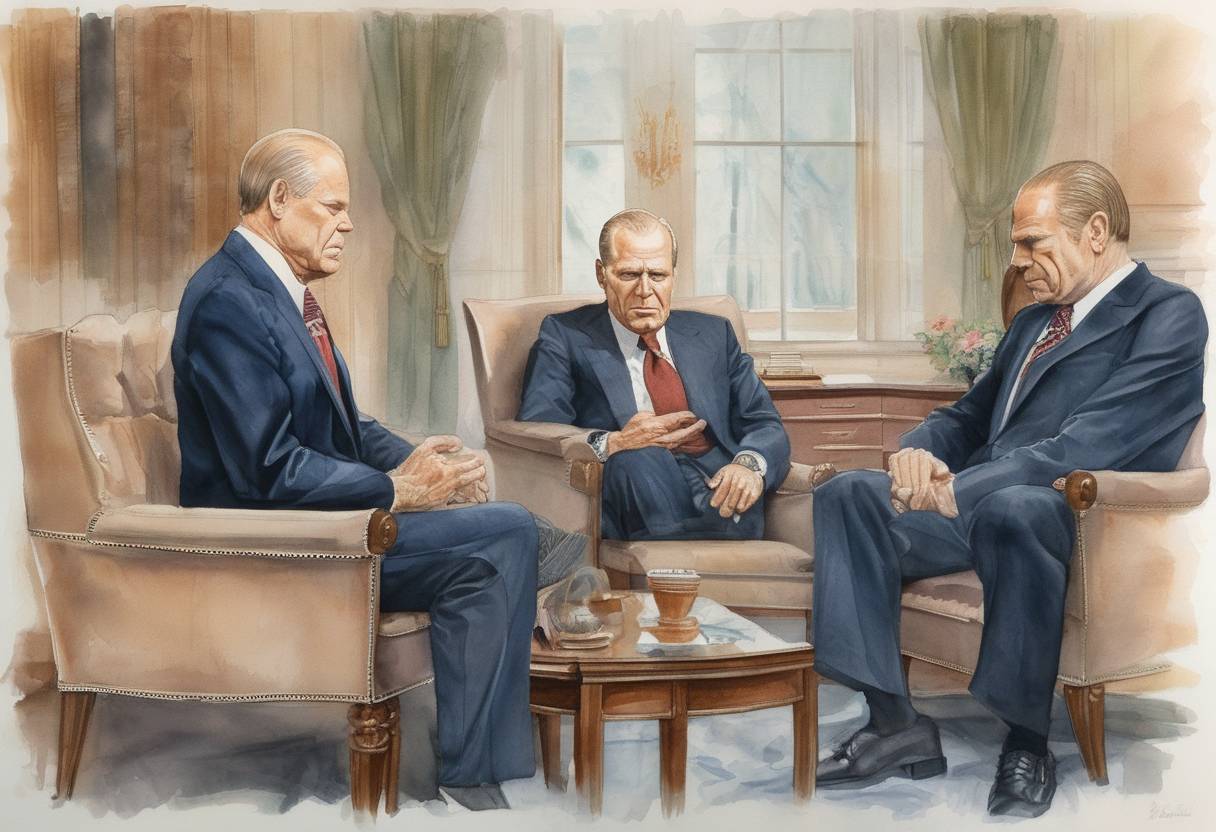
On September 8, 1974, President Gerald Ford issued a full and unconditional pardon to former President Richard Nixon for any crimes he may have committed against the United States while in office. This pivotal decision came in the wake of the Watergate scandal, which had led to Nixon’s resignation on August 9, 1974, making him the first U.S. president to resign from office.
The Watergate scandal began with a break-in at the Democratic National Committee headquarters at the Watergate office complex in Washington, D.C., on June 17, 1972. Subsequent investigations revealed a widespread abuse of power by members of the Nixon administration, including attempts to cover up the break-in. The scandal escalated, leading to numerous indictments and convictions of Nixon’s aides and associates.
As evidence mounted, including the infamous White House tapes, Nixon faced the likelihood of impeachment. To avoid this, he chose to resign, and Vice President Gerald Ford assumed the presidency.
President Ford announced the pardon in a televised address to the nation. He stated that the pardon was intended to help the country move beyond the divisive and protracted Watergate scandal. Ford expressed his belief that a prolonged trial of Nixon would only further polarize the nation and distract from pressing domestic and international issues.
The pardon covered all offenses Nixon “has committed or may have committed or taken part in” during his presidency. This broad scope effectively shielded Nixon from any future prosecution related to Watergate.
The decision to pardon Nixon was met with widespread controversy and criticism. Many Americans believed that it undermined the principle of accountability and justice, suggesting that Nixon was receiving preferential treatment. Ford’s approval ratings plummeted, and the pardon is often cited as a significant factor in his loss to Jimmy Carter in the 1976 presidential election.
Despite the initial backlash, Ford defended his decision as a necessary step for national healing. In 2001, he was awarded the John F. Kennedy Profile in Courage Award for his controversial decision to pardon Nixon, which was later viewed by some as an act of political bravery.
The pardon of Richard Nixon remains a significant moment in U.S. history, highlighting the complexities of presidential power and the challenges of governance in the aftermath of political scandal. It set a precedent for how future administrations might handle similar situations and continues to be a topic of debate among historians and political analysts.
In retrospect, the pardon is seen as a critical juncture in the post-Watergate era, influencing public trust in government and shaping the legacy of both Nixon and Ford.
Source: en.wikipedia.org