July 27, 1964: US Escalation in Vietnam War
1964 · Washington, D.C., United States
The United States sends 5,000 more military advisers to South Vietnam.
December 1, 1969
The first draft lottery in the United States since World War II was held, as part of the conscription process for the Vietnam War.
Washington, D.C., United States | United States government
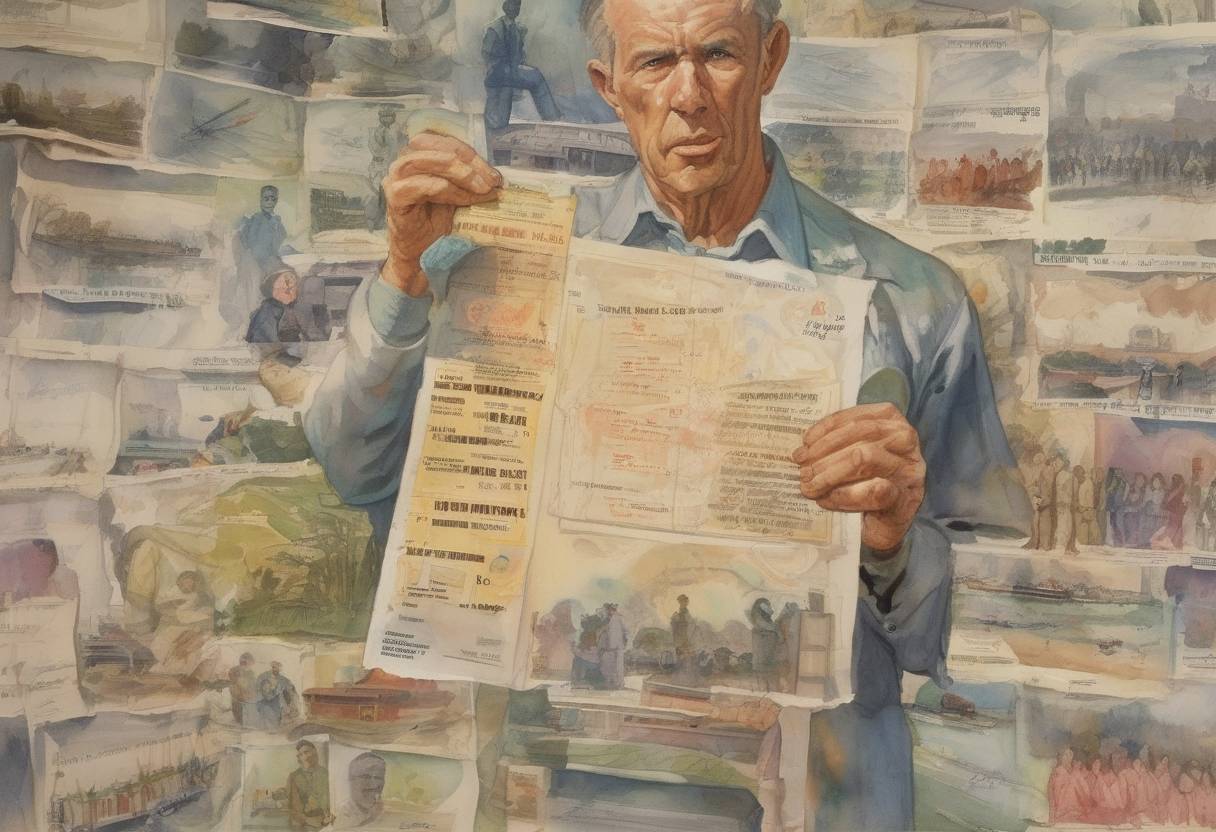
On December 1, 1969, the United States conducted its first draft lottery since World War II, marking a significant moment in the history of the Vietnam War and American military conscription. This event was a pivotal part of the conscription process, which aimed to address the increasing demand for military personnel during the Vietnam War.
The Vietnam War, which escalated throughout the 1960s, placed a substantial strain on U.S. military resources. By the late 1960s, the need for more troops became pressing. The draft system in place before the lottery was criticized for its perceived inequities, as it allowed for deferments that often favored those with higher socio-economic status, such as college students.
In response to these criticisms and the growing anti-war sentiment across the country, the Nixon administration sought to reform the draft process. The lottery system was introduced to create a more equitable and transparent method of conscription.
The draft lottery held on December 1, 1969, was designed to determine the order of call to military service for men born between January 1, 1944, and December 31, 1950. The process was as follows:
Selection Method: The lottery involved drawing dates from a large glass container, each date corresponding to a birthdate. The sequence in which these dates were drawn determined the order in which men would be called to serve.
Broadcast and Public Reaction: The lottery was broadcast live on television and radio, capturing the attention of millions of Americans. The event was a source of anxiety for many young men and their families, as it directly impacted their immediate futures.
Results: The first date drawn was September 14, meaning men born on this day were the first to be called for service. The lottery continued until all 366 possible birthdates (including February 29 for leap years) were drawn.
Impact on Conscription: The lottery system was seen as a more impartial method of selection, reducing the number of deferments and making the draft process more transparent.
Public Perception: Despite its intentions to be fairer, the draft lottery did not quell the anti-war movement. Many Americans continued to protest the Vietnam War and the draft, viewing it as an infringement on personal freedom.
Long-term Changes: The draft lottery was used until 1973, when the United States transitioned to an all-volunteer military force. This shift was partly influenced by the controversies and public dissatisfaction surrounding the draft during the Vietnam era.
In conclusion, the draft lottery of December 1, 1969, was a crucial moment in U.S. history, reflecting the complexities of military conscription during a contentious period. It highlighted the challenges of balancing military needs with public sentiment and laid the groundwork for future changes in military recruitment practices.
Source: en.wikipedia.org