King Philip's War: The Beginning
1675 · Swansea, United States
King Philip's War: Beginning of a war in which Native Americans, led by Metacom (King Philip), initiated attacks on Massachusetts villages.
May 21, 1758
Mary Campbell, a young colonist, was taken captive by Lenape Native Americans, beginning her five-year captivity.
Pensylvania, Colonial America | Lenape
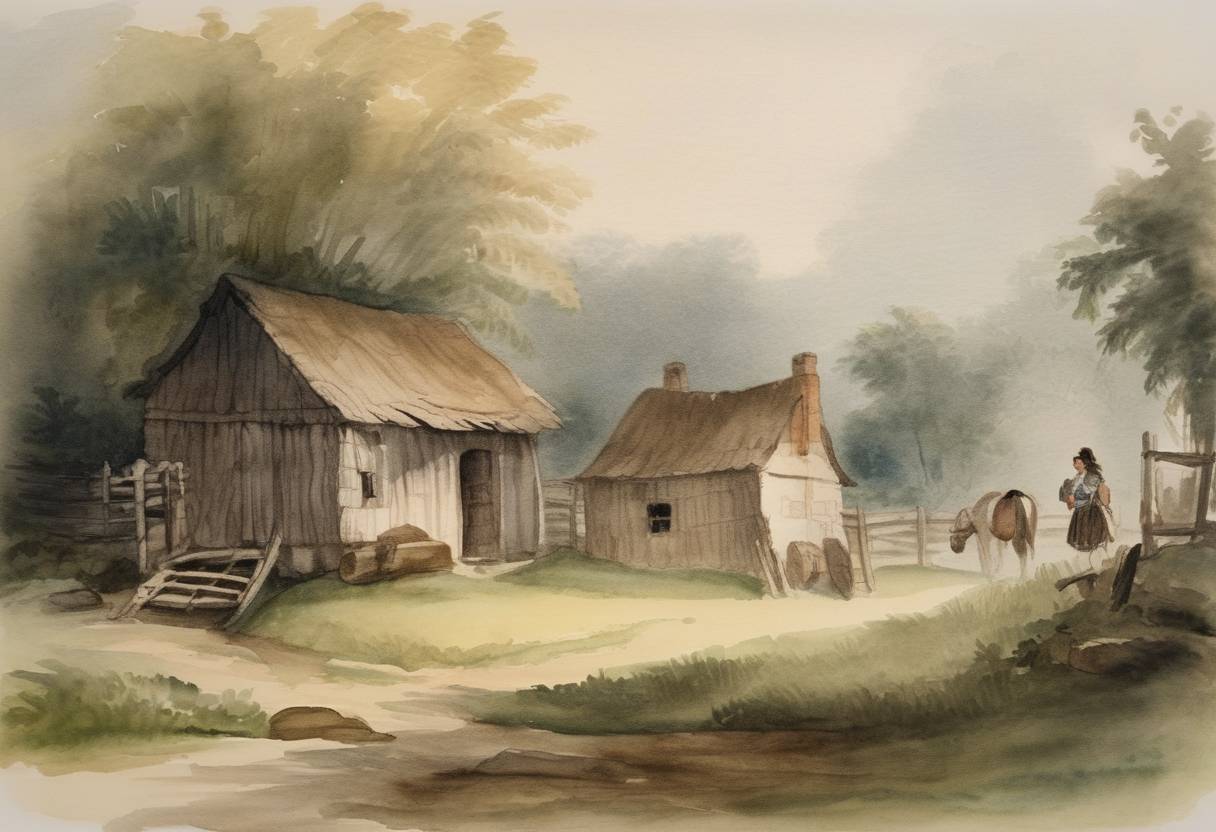
On May 21, 1758, Mary Campbell, a young colonist living on the Pennsylvania frontier, was taken captive by Lenape Native Americans during the tumultuous period of the French and Indian War. Campbell’s capture is a notable example of the numerous intercultural exchanges—albeit often traumatic—that characterized colonial America.
The mid-18th century was marked by conflict in North America between British and French colonial powers, both of whom were allied with different Native American tribes. The Ohio Country, part of present-day Pennsylvania and Ohio, was a strategic and contested region. The Lenape, also known as the Delaware People, inhabited this area and were engaged in the struggle for survival amidst European encroachment and inter-tribal conflicts.
Mary Campbell was living near present-day Nazareth, Pennsylvania, when she was captured during a raid by a Lenape war party. These raids were not uncommon as Native American tribes responded to European settlers encroaching on their homelands. She was approximately ten years old at the time of her capture, representing a common age for captives as young children could be more easily assimilated into Native American communities.
Mary Campbell was taken into the family of Chief Netawatwees, also known as Newcomer, at the Delaware town of Kuskusky, near present-day New Castle, Pennsylvania. These experiences were part of the wider practice of “adoption,” where captives were integrated into Native American societies to compensate for lost family members or to bolster the population. Mary likely learned the Lenape language, customs, and participated in their daily life and rituals.
Mary Campbell’s captivity lasted approximately five years. She was released following the negotiations that resulted from Colonel Henry Bouquet’s expedition against the Ohio Country Indians, which culminated in the Treaty of Easton in 1758 and later accords. After her return to colonial society, she provided valuable insights into Lenape life, though like many who returned from captivity, she faced the difficult challenge of reintegration.
Mary Campbell’s story highlights important aspects of colonial frontier life, including the conflicts between Native Americans and European settlers and the complex cultural exchanges—sometimes violent, sometimes peaceful—that took place across these frontiers. Her experience underscores the broader themes of survival, cultural resilience, and adaptation during a pivotal era in American history. Mary Campbell’s life is emblematic of the countless, often untold, human stories that define the American colonial experience.
Though personal records of her life remain sparse, Mary Campbell’s story remains an integral part of the local history of Western Pennsylvania. Her experience serves as a vivid reminder of the diverse and complex human experiences that formed the tapestry of early American history.
Source: ohiohistorycentral.org