The Birth of Blue Jeans: Levi Strauss and Jacob Davis's Patent
1873 · San Francisco, United States
Levi Strauss and Jacob Davis received a U.S. patent for blue jeans with copper rivets, marking the birth of the iconic American garment.
November 9, 1967
The first issue of Rolling Stone magazine is published, becoming a significant influence in American popular culture and music journalism.
San Francisco, United States | Rolling Stone
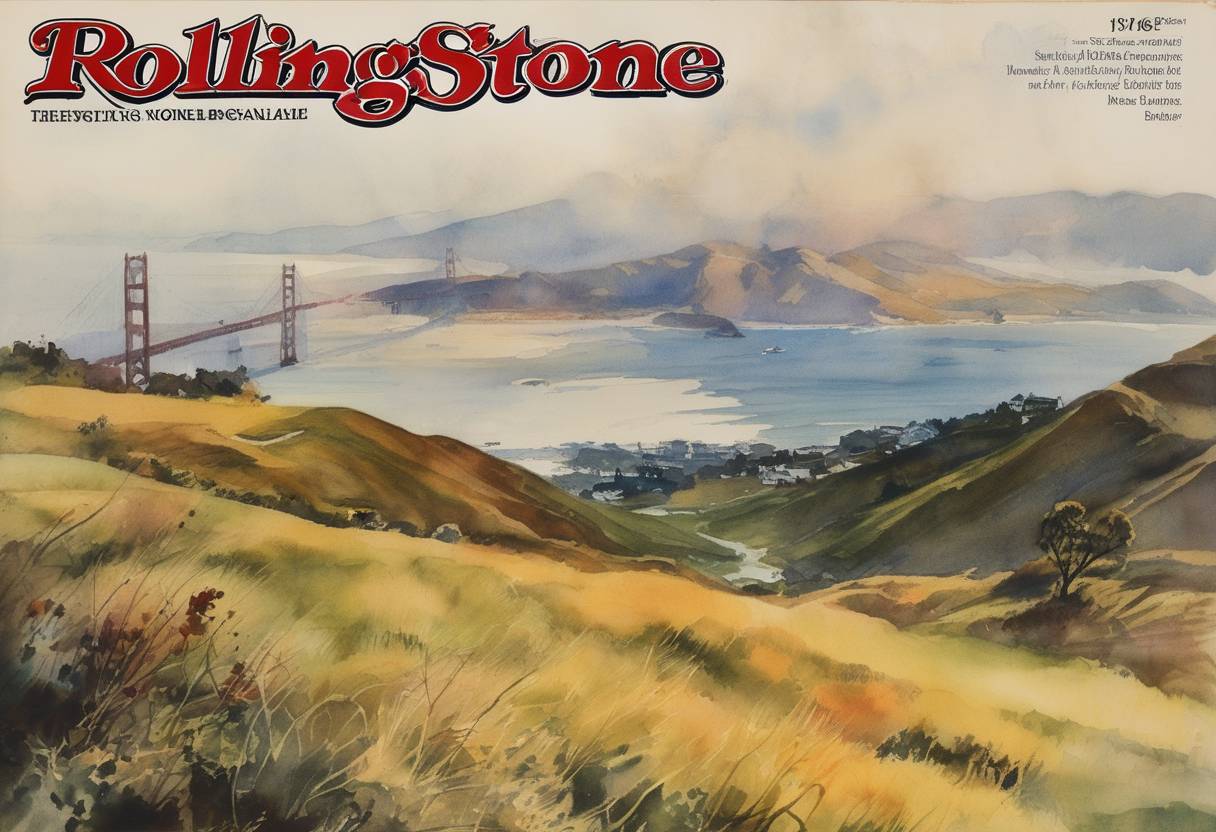
On November 9, 1967, the first issue of Rolling Stone magazine was published in San Francisco, California. Founded by Jann Wenner and music critic Ralph J. Gleason, the magazine would go on to become a cornerstone of American pop culture and a significant force in music journalism and reporting.
During the 1960s, a cultural revolution was sweeping across the United States, marked by rapid social changes, the civil rights movement, and a burgeoning counterculture. Music, particularly rock and roll, played a central role in this transformation. Despite the proliferation of music-focused media outlets, many lacked a serious journalistic approach to covering music and the cultural shifts tied to it. Wenner and Gleason sought to fill this gap by founding Rolling Stone, a publication that would combine traditional journalistic standards with the booming music and cultural scene.
The inaugural issue of Rolling Stone featured John Lennon on the cover, a testament to the magazine’s focus on music from the very start. However, unlike existing fan magazines, Rolling Stone aimed to delve deeper into the issues affecting the industry and society, blending in-depth articles on music, politics, and culture.
The magazine’s name was inspired by the 1950 Muddy Waters song “Rollin’ Stone,” as well as Bob Dylan’s hit “Like a Rolling Stone,” both considered seminal works in rock and blues music. This choice underscored the publication’s commitment to examining the roots and evolution of modern music.
The early issues of Rolling Stone quickly gained popularity due to their insightful articles, interviews, and album reviews. The magazine’s approach set a new standard for music reporting and criticism, giving artists and fans alike a platform and a voice.
Over the years, Rolling Stone evolved beyond music journalism to include political coverage, becoming particularly known for its investigative reporting, which attracted controversies and accolades alike. The magazine has been instrumental in shaping public discourse around various social and political issues.
Rolling Stone’s contribution to journalism and popular culture has been profound. It has chronicled some of the most significant moments in music history and has spotlighted emerging artists who would later become legends. The magazine’s legacy continues to this day, maintaining its status as an influential publication amidst the ever-changing media landscape.
More than just a magazine, Rolling Stone became a cultural institution, defining and documenting the zeitgeist of American life over the decades. It has played a critical role not only as a reflection of cultural trends but also as a catalyst for change, influencing the way music, politics, and society intersect in media.
Source: www.rollingstone.com