1447 · Rome, Papal States
Nicholas V is elected as the new pope, succeeding Pope Eugene IV.
March 25, 1458
The Catholic Church officially recognized the Feast of the Annunciation.
Rome, Papal States | Catholic Church
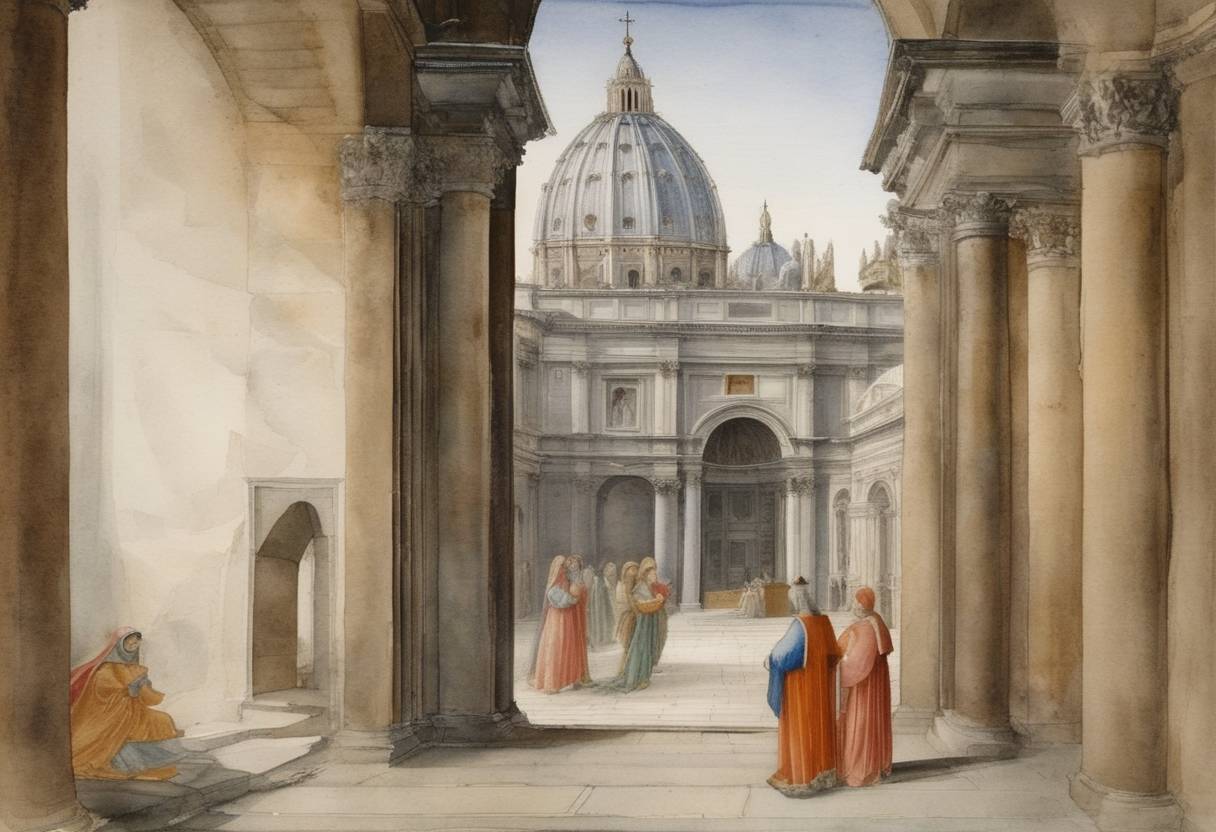
On March 25, 1458, the Catholic Church officially recognized the Feast of the Annunciation, a significant event in the liturgical calendar that commemorates the announcement by the Archangel Gabriel to the Virgin Mary that she would conceive and become the mother of Jesus Christ, marking the Incarnation. This recognition by the Church solidifies a tradition that extends back to the early centuries of Christianity.
The Feast of the Annunciation has its origins in early Christianity, with devotional practices surrounding the Incarnation predating formal recognition by centuries. The significance of the event lies in its theological importance, as it represents the moment of Jesus’ conception, a central tenet of Christian faith underscoring the mystery of the Incarnation.
The celebration of the Annunciation has been associated with March 25 since the 7th century, under Pope Sergius I. The date is traditionally believed to align with the conception of Jesus, exactly nine months before Christmas, the date traditionally associated with Jesus’ birth.
Papal Endorsement: The official recognition in 1458 further reaffirmed the widespread acceptance and celebration of the feast across Christendom. This formal acknowledgment by the pope ensured its place within the universal Church calendar, promoting uniformity in observance and theological emphasis.
Liturgical Significance: Inclusion in the Church’s liturgical calendar ensured that the Annunciation was celebrated with a specific mass and associated readings, with themes centered on the mystery of faith and divine intervention in human history.
The official recognition of the Feast of the Annunciation by the Catholic Church in 1458 illustrates the Church’s role in standardizing and unifying Christian practices in the medieval period. It underscores the papacy’s influence in formalizing ecclesiastical observances that reinforce doctrinal teachings.
Moreover, this event highlights the interplay between tradition and institutional endorsement, as well as how religious communities draw upon historical events and their interpretations to construct religious identity and continuity. The Feast of the Annunciation remains an important liturgical celebration within Christianity, observed by Catholics, Orthodox, and several Protestant denominations today.
Source: en.wikipedia.org