April 11, 2010

The crash of a Polish Air Force Tu-154 aircraft near Smolensk, Russia, kills 96 people, including Polish President Lech Kaczyński and many high-ranking Polish officials. The tragedy significantly impacts Polish politics and international relations.


Smolensk, Russia | Polish Air Force
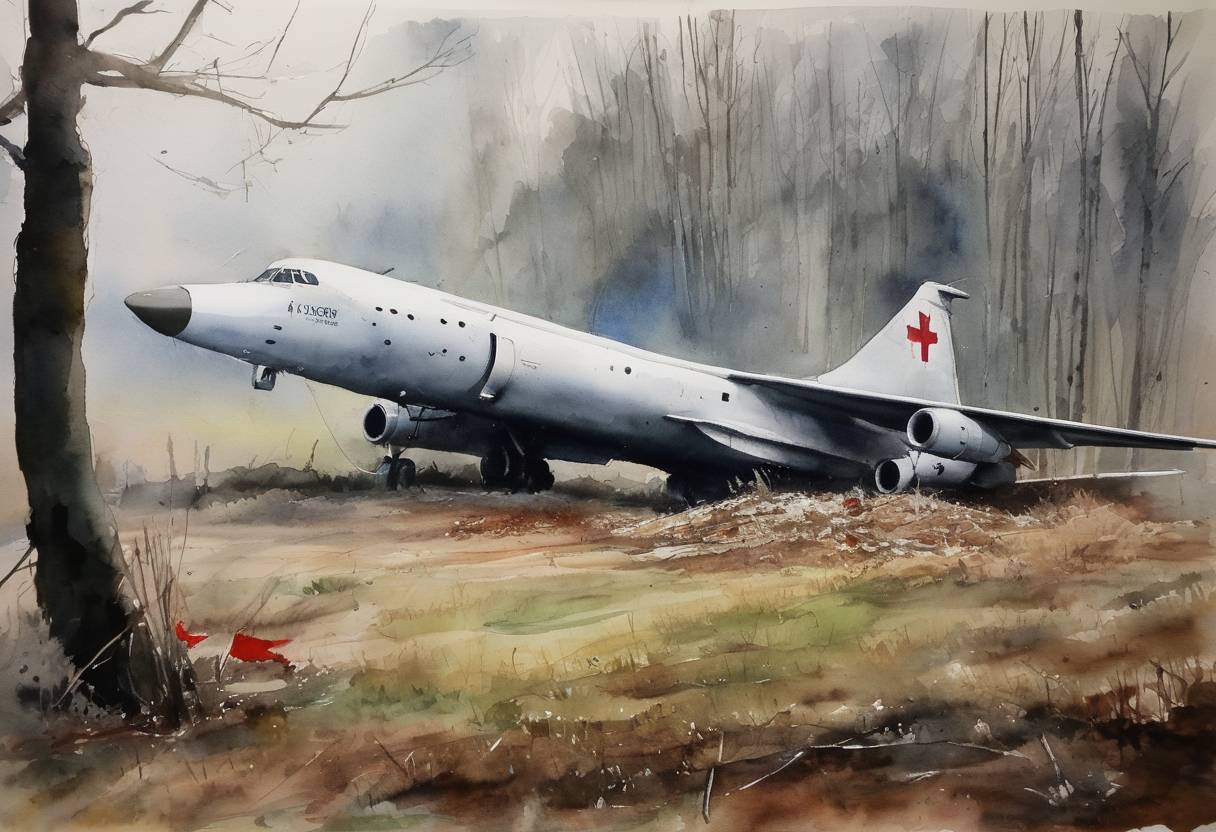
Watercolor painting based depiction of The crash of a Polish Air Force Tu-154 aircraft near Smolensk, Russia, kills 96 people, including Polish President Lech Kaczyński and many high-ranking Polish officials. The tragedy significantly impacts Polish politics and international relations. (2010)

The Smolensk Air Disaster - April 10, 2010

On April 10, 2010, a catastrophic aviation accident occurred involving a Polish Air Force Tu-154M aircraft. The aircraft crashed near Smolensk-North Airport in Smolensk, Russia, resulting in the deaths of all 96 people on board. This included the President of Poland, Lech Kaczyński, his wife Maria Kaczyńska, and numerous high-ranking Polish officials, who were on their way to attend a commemoration ceremony for the 70th anniversary of the Katyń massacre.

Background

The crash took place as the delegation was heading to the Katyń Forest, the site where thousands of Polish military officers and intellectuals were executed in 1940 by the Soviet NKVD. This annual commemoration is deeply significant to Poland and symbolizes the ongoing sensitivities in Polish-Russian relations.

Sequence of Events

  • The Tupolev Tu-154M aircraft took off from Warsaw, Poland, carrying Polish dignitaries, politicians, military officials, and crew.
  • Despite adverse weather conditions, including thick fog, the pilots attempted to land at Smolensk-North Airport.
  • The aircraft collided with trees on final approach, approximately 1,100 meters from the runway, crashing and burning near the airport.

Investigation and Findings

  • Russian and Polish investigators, along with international aviation authorities, conducted thorough investigations into the crash.
  • The primary conclusions pointed to human error, including the decision to attempt landing in poor visibility, miscommunication between the crew and air traffic controllers, and the potential influence of external pressure on the pilots.

Impact on Polish Politics and International Relations

  • The disaster led to significant political ramifications in Poland. It resulted in a snap presidential election, as dictated by the Polish Constitution, which saw Bronisław Komorowski win the presidency.
  • The crash intensified national mourning and sparked various conspiracy theories and political debates about responsibility and transparency.
  • Polish-Russian relations were momentarily improved as Russia extended condolences and collaborated in the investigation, but underlying tensions, particularly regarding historical grievances, remained.

Commemoration and Legacy

  • Anniversaries of the disaster are solemnly observed in Poland, with remembrance ceremonies held annually.
  • The event is remembered as a profound national tragedy with wide-reaching implications for Polish identity, political climate, and diplomatic relations in the years following the accident.