Jacinda Ardern's Inauguration as Prime Minister of New Zealand
2017 · Wellington, New Zealand
Jacinda Ardern was inaugurated as the Prime Minister of New Zealand, marking her as the youngest female head of government in the world at that time.
October 24, 2017
Jacinda Ardern was officially sworn in as the Prime Minister of New Zealand, becoming the youngest female head of government in the world at the time.
Wellington, New Zealand | New Zealand Government
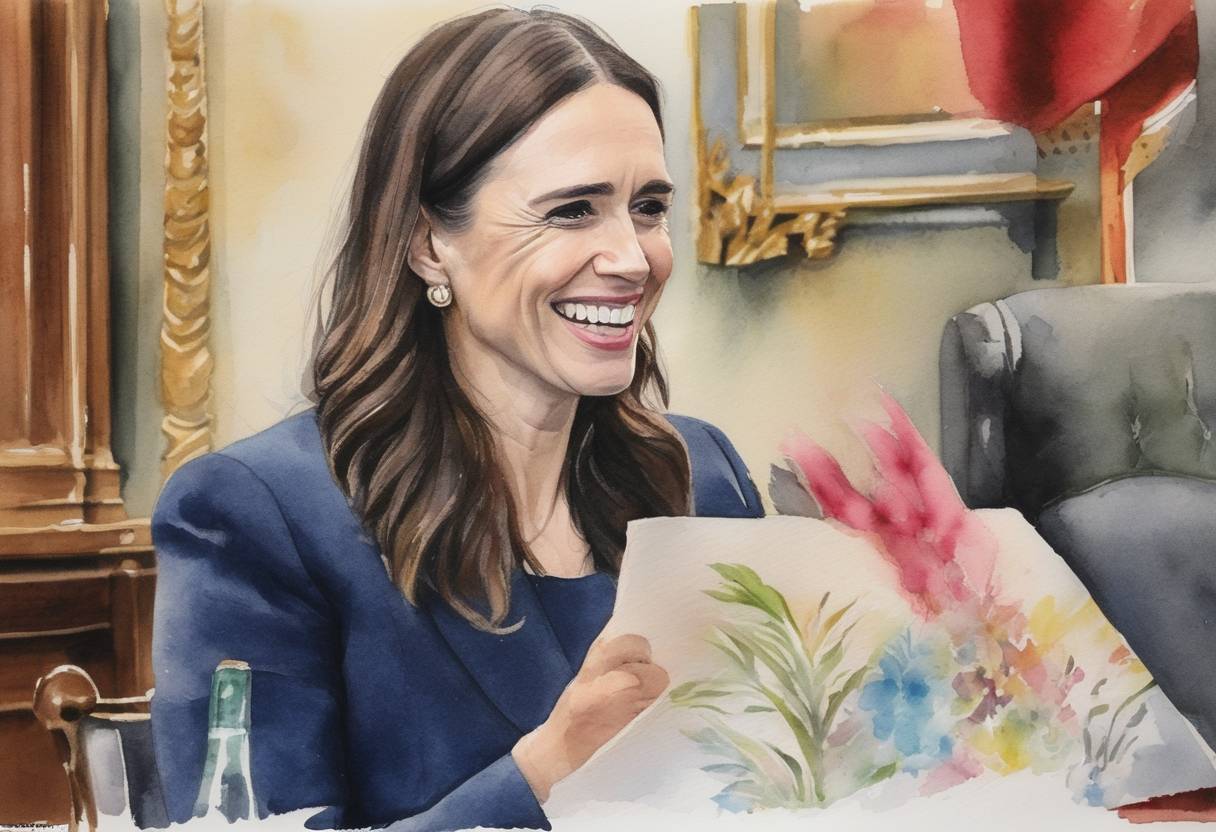
On October 24, 2017, Jacinda Ardern was officially sworn in as the 40th Prime Minister of New Zealand. At the age of 37, she became the youngest female head of government in the world at that time. Her appointment marked a significant moment in New Zealand’s political landscape and drew global attention due to her youth and progressive political stance.
Jacinda Ardern became leader of the New Zealand Labour Party on August 1, 2017, following the resignation of her predecessor, Andrew Little. Her leadership came at a crucial time as the country was preparing for a general election. In the election held on September 23, 2017, no single party won a majority, making the role of coalition-building pivotal.
Ardern’s Labour Party gained a chance to form a government through a coalition with the New Zealand First party, led by Winston Peters, and with support from the Green Party. The coalition negotiations involved carefully balanced discussions and agreements, highlighting Ardern’s capacity for leadership and collaboration.
The official swearing-in ceremony took place at Government House in Wellington, New Zealand’s capital. Ardern took the oath of office alongside her deputy, Winston Peters, who was sworn in as Deputy Prime Minister and Minister of Foreign Affairs, among other roles. This ceremony followed weeks of negotiations that had concluded with the formation of the Labour-led coalition government.
Ardern’s leadership was notable for emphasizing social issues, environmental sustainability, and a strong response to climate change. Her government focused on addressing inequality, implementing more affordable housing measures, and prioritizing mental health services.
Ardern’s empathetic leadership style and focus on kindness and inclusion resonated nationally and internationally, setting her apart in the global political arena. Her tenure saw New Zealand take progressive stances on global issues, contributing to her recognition as an influential world leader.
Her swearing-in as Prime Minister was a transformative moment for New Zealand, encouraging a new era of youthful leadership and a fresh approach to governance steeped in progressive values.
Source: www.bbc.com