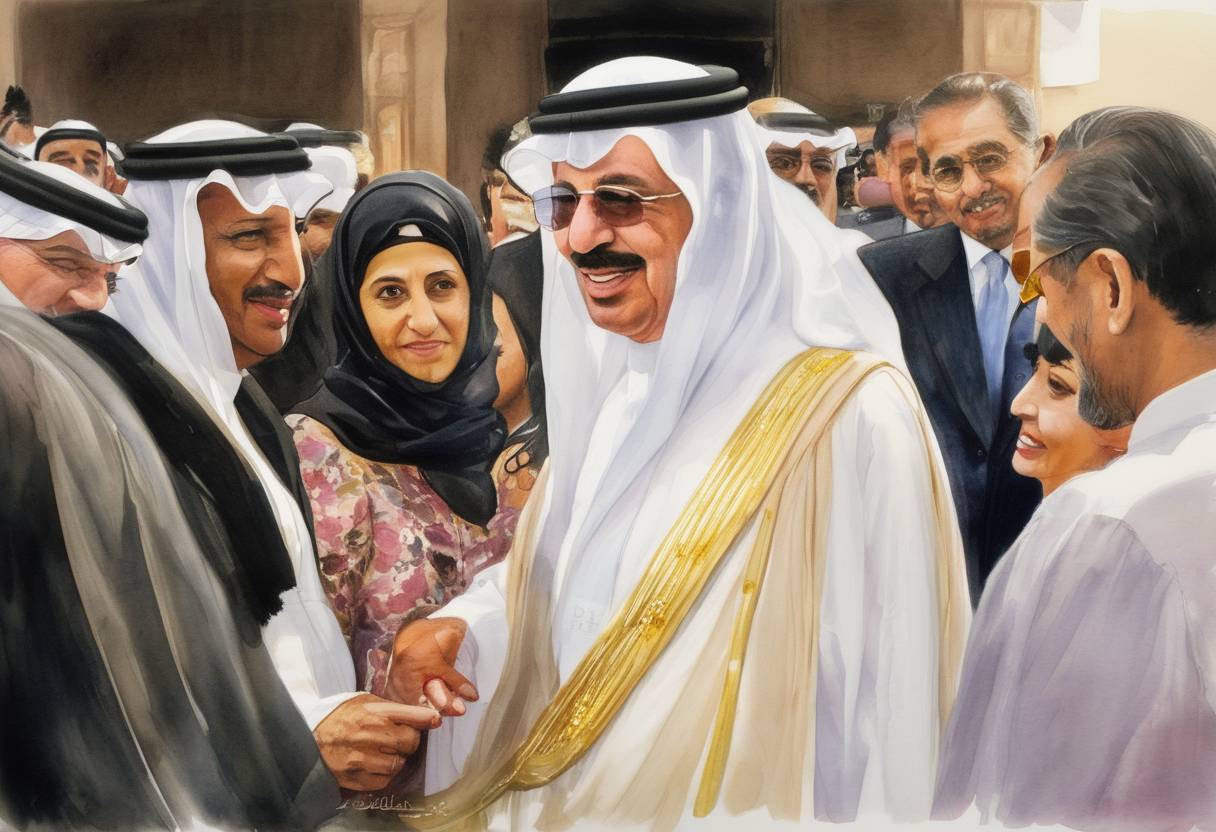
On September 25, 2011, King Abdullah bin Abdulaziz Al Saud of Saudi Arabia made a groundbreaking announcement regarding the political rights of women in the kingdom. In a historic move, he declared that Saudi women would be granted the right to vote and run as candidates in future municipal elections, signaling a significant shift in the kingdom’s traditionally conservative political landscape.
Context
Saudi Arabia, a country known for its conservative approach to women’s rights, had long restricted female participation in the political process. By 2011, the country was one of the last in the world to extend suffrage to women, despite facing increasing internal and international pressure for reform.
The King’s Address
King Abdullah made his announcement in a speech delivered at the opening session of the Shura Council, an advisory body in Saudi Arabia. He emphasized the importance of gradual reform and the role of women in society, aligning the decision with Islamic principles. The decree was positioned as part of a broader reform agenda aimed at modernizing Saudi Arabia while adhering to Islamic values.
Implementation and Impact
The policy change allowed women to participate in municipal council elections starting from 2015, marking the first time in the history of the kingdom that women could exercise their political rights at this level. In the December 2015 elections, a landmark moment occurred when Saudi women voted and ran as candidates, with several winning municipal council seats.
The announcement was lauded by women’s rights activists and international observers as a positive step towards gender equality in Saudi Arabia. It was seen as a move that could potentially lead to further reforms in the country’s social and legal framework concerning women’s rights.
Significance
This decision reflected King Abdullah’s approach to moderate and cautious reforms, recognizing the complex dynamics within Saudi society. The inclusion of women in the electoral process was seen as a response to both the demands for change from within the country and the pressures from global human rights organizations.
The granting of voting rights to women in Saudi Arabia has been considered a symbolic and practical achievement, facilitating greater female engagement in shaping the social and political fabric of the nation. It illustrated the potential for change in countries with deeply entrenched gender norms and has been a subject of study in discussions around women’s empowerment in the Middle East.
Conclusion
King Abdullah’s historic announcement on September 25, 2011, marked a significant moment in Saudi Arabia’s journey toward modernization and gender equality. While challenges remained, the policy set a foundation for subsequent advancements in women’s rights and reflected a broader trend of incremental reform under his leadership.