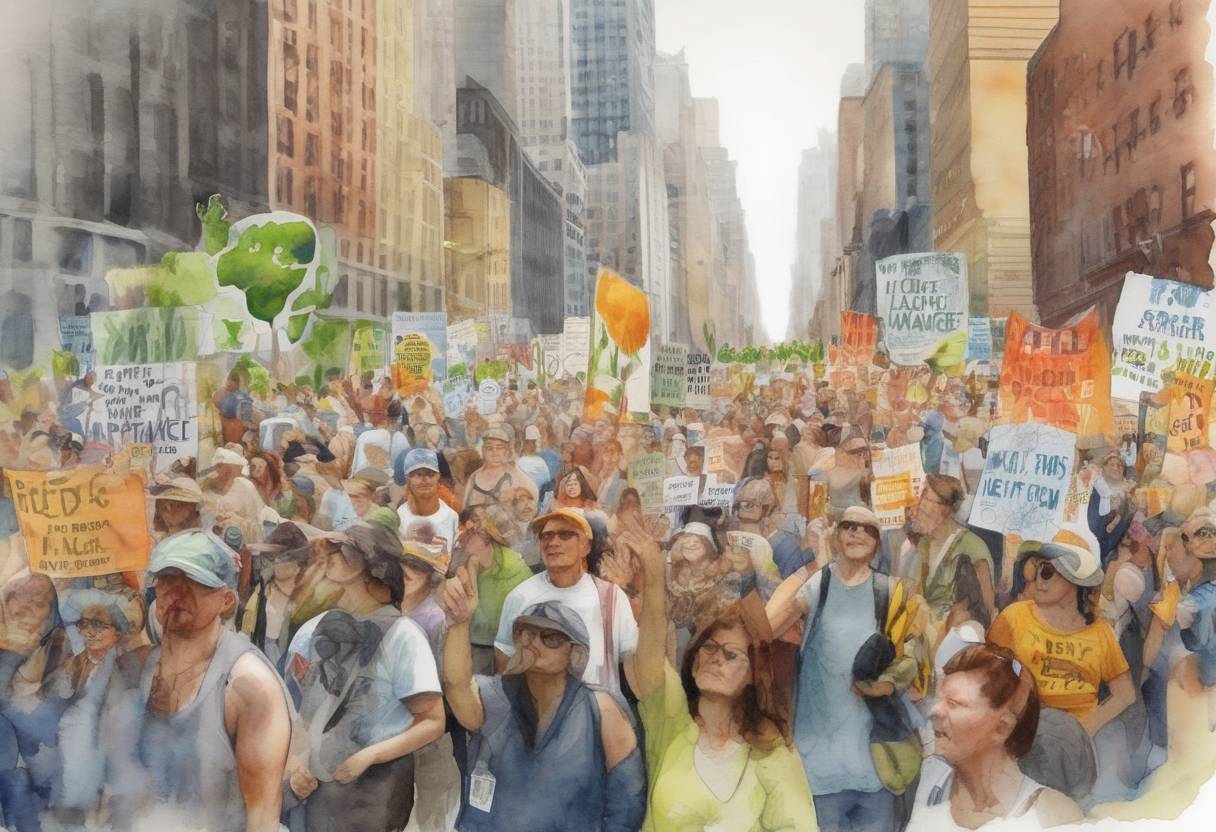
The People’s Climate March: September 21, 2014
On September 21, 2014, New York City witnessed one of the largest climate marches in history, known as The People’s Climate March. This monumental event drew over 300,000 participants from diverse backgrounds, all united in their call for urgent action against climate change. The march was strategically organized to coincide with the United Nations Climate Summit, which was scheduled to begin two days later, on September 23, 2014.
Context and Background
The early 21st century saw a growing awareness and concern about the impacts of climate change, driven by scientific reports and increasing evidence of environmental degradation. The Intergovernmental Panel on Climate Change (IPCC) had released reports highlighting the severe consequences of global warming, urging nations to take decisive action to mitigate its effects. The People’s Climate March was organized by a coalition of environmental, labor, and social justice groups, aiming to amplify public demand for climate action ahead of the UN summit.
Key Events of the March
Route and Participation: The march began at Columbus Circle and proceeded through midtown Manhattan, concluding at 34th Street and 11th Avenue. Participants included environmental activists, indigenous groups, students, labor unions, and representatives from various faith communities. The diversity of the crowd underscored the widespread concern about climate change across different sectors of society.
Global Solidarity: The New York City march was part of a global movement, with simultaneous events occurring in cities around the world, including London, Berlin, and Rio de Janeiro. This global participation highlighted the universal nature of the climate crisis and the collective demand for action.
Notable Figures: Among the participants were prominent figures such as former Vice President Al Gore, UN Secretary-General Ban Ki-moon, and actor Leonardo DiCaprio, who had recently been appointed as a UN Messenger of Peace with a focus on climate change.
Aftermath and Significance
The People’s Climate March succeeded in drawing significant media attention to the issue of climate change, influencing the discourse at the UN Climate Summit. The summit itself aimed to galvanize political will and mobilize resources for a global climate agreement, which would eventually lead to the Paris Agreement in 2015.
The march also demonstrated the power of grassroots movements in shaping public policy and raising awareness about environmental issues. It served as a catalyst for future climate activism, inspiring subsequent marches and actions worldwide.
Broader Historical Impact
The People’s Climate March of 2014 is remembered as a pivotal moment in the global climate movement. It underscored the urgent need for international cooperation and action to address the challenges posed by climate change. The event highlighted the role of civil society in advocating for sustainable policies and practices, setting the stage for ongoing efforts to combat environmental degradation and promote climate justice.
In summary, the People’s Climate March was not only a significant demonstration of public concern but also a crucial step in the ongoing struggle for a sustainable and equitable future.