Uganda Gains Independence from the United Kingdom
1962 · Kampala, Uganda
Uganda gained independence from the United Kingdom, becoming a sovereign nation.
November 28, 1960
Mauritania becomes independent from France.
Nouakchott, Mauritania | Mauritanian Government
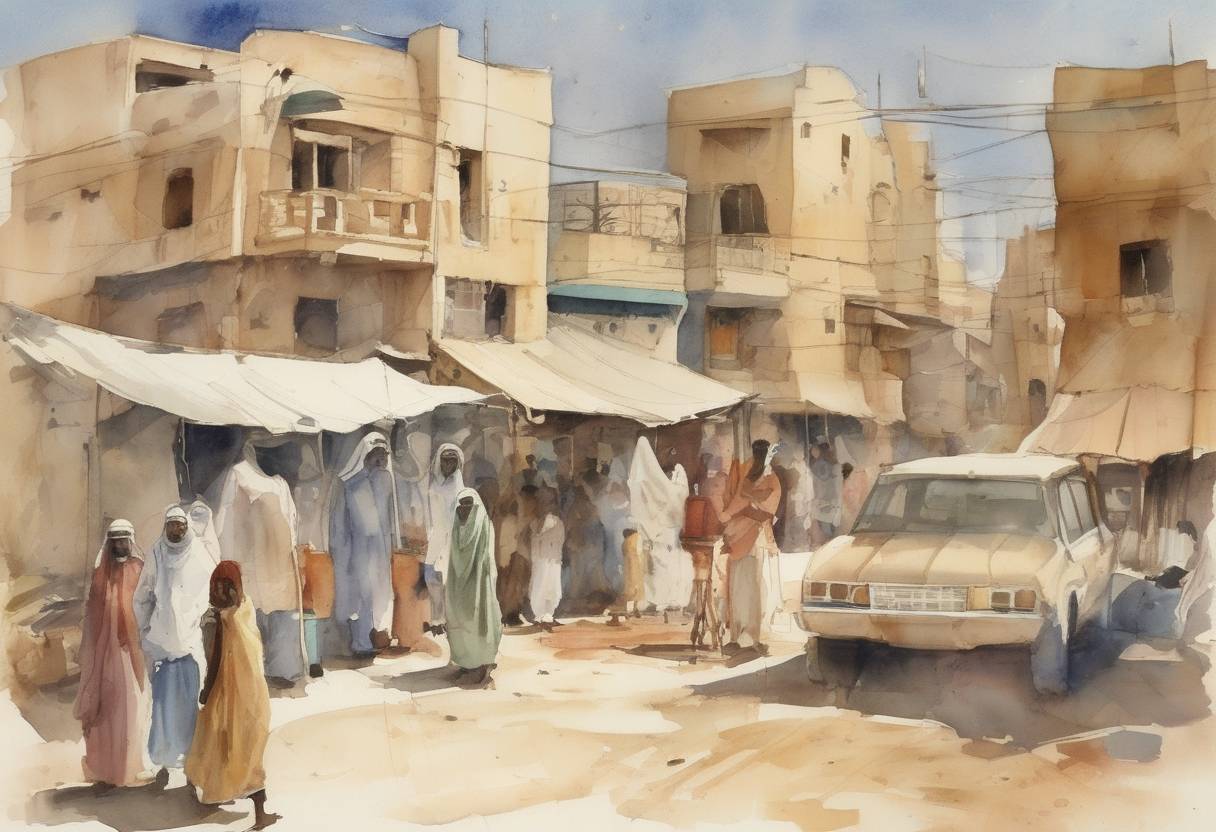
On November 28, 1960, Mauritania officially gained independence from French colonial rule, marking a significant milestone in the decolonization of Africa. This event was part of a broader wave of independence movements across the continent during the mid-20th century.
Colonial Background: Mauritania, located in West Africa, became part of French West Africa in the late 19th century. The French established control over the region through a series of military campaigns and treaties with local leaders.
Decolonization Movement: After World War II, a global decolonization movement gained momentum. In Africa, this was characterized by a growing demand for self-determination and the end of European colonial rule. The process accelerated in the 1950s and 1960s, with many African nations achieving independence.
Political Developments: In 1958, Mauritania became an autonomous republic within the French Community, a political entity created by France to maintain ties with its former colonies. This was a step towards full independence.
Leadership: Moktar Ould Daddah emerged as a key political figure during this period. He played a crucial role in negotiating Mauritania’s transition to independence and later became the country’s first President.
Negotiations with France: The path to independence involved negotiations with the French government, which were influenced by the broader geopolitical context and the changing attitudes towards colonialism.
Proclamation: On November 28, 1960, Mauritania declared its independence. The new nation was established as the Islamic Republic of Mauritania, with Nouakchott as its capital.
First Government: Moktar Ould Daddah was elected as the first President of Mauritania. His administration focused on nation-building and addressing the challenges of a newly independent state.
Nation-Building: Post-independence, Mauritania faced numerous challenges, including economic development, national unity, and establishing a stable political system. The country had to navigate ethnic and cultural diversity, with significant populations of Arab-Berber and Black African communities.
International Relations: Mauritania joined the United Nations in 1961 and became a member of the Organization of African Unity (now the African Union), aligning itself with other newly independent African nations.
Legacy: Mauritania’s independence was part of the larger decolonization process that reshaped the political landscape of Africa. It highlighted the continent’s shift towards self-governance and the end of European colonial empires.
Mauritania’s journey to independence is a testament to the resilience and determination of its people and leaders in the face of colonial challenges. The events of November 28, 1960, remain a pivotal moment in the nation’s history, celebrated annually as Independence Day.
Source: en.wikipedia.org