Legalization of Same-Sex Marriage in the Netherlands
2001 · Amsterdam, Netherlands
The Netherlands becomes the first country in the world to legalize same-sex marriage, allowing homosexual couples to marry and adopt children.
November 1, 2006
The Dutch government introduced a ban on the sale of hallucinogenic mushrooms following several incidents involving tourists.
Amsterdam, Netherlands | Dutch Government
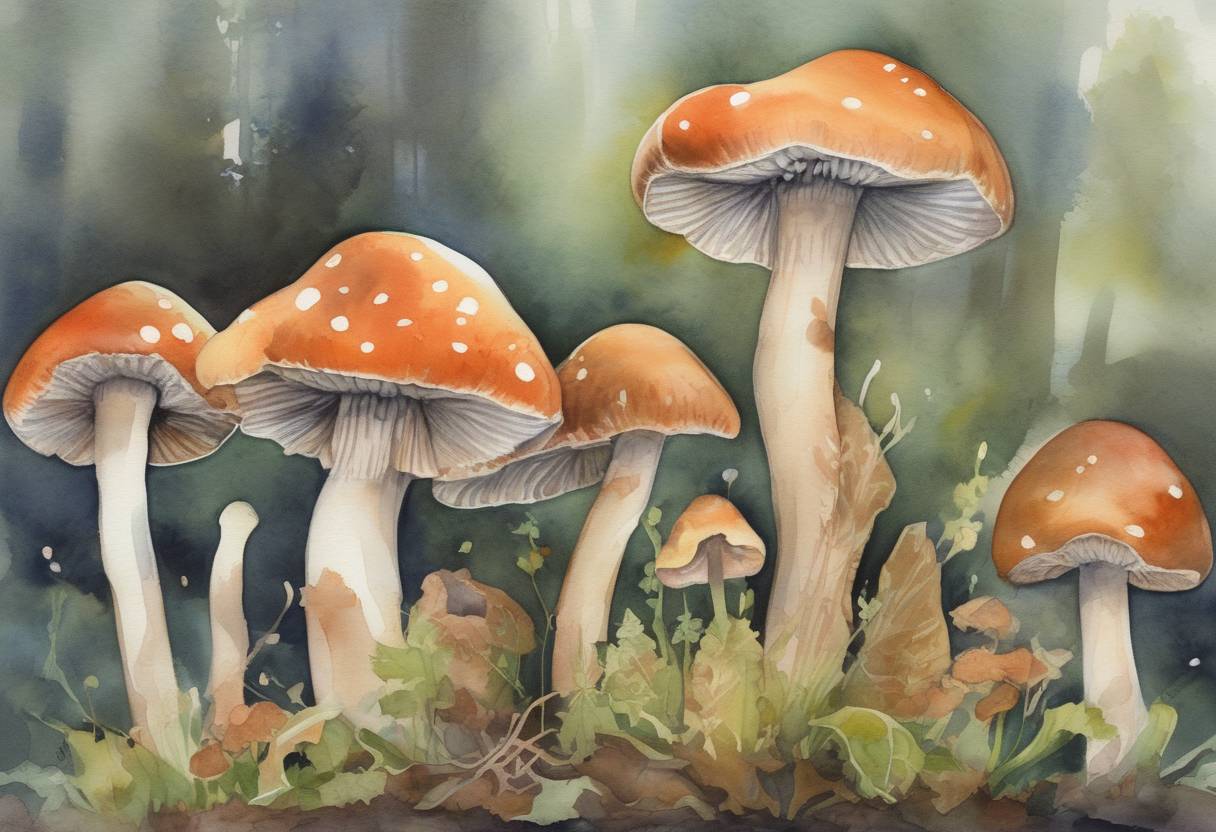
On November 1, 2006, the Dutch government announced a ban on the sale of hallucinogenic mushrooms, commonly known as “magic mushrooms.” This decision was primarily driven by a series of incidents involving tourists who experienced adverse effects after consuming these substances.
The Netherlands had long been known for its relatively liberal drug policies, particularly in Amsterdam, where the sale of cannabis in “coffeeshops” was tolerated. Hallucinogenic mushrooms, which contain psychoactive compounds like psilocybin, were also legally available in smart shops across the country. These mushrooms were popular among both locals and tourists seeking a psychedelic experience.
However, the increasing number of incidents involving tourists raised concerns. Several high-profile cases, including accidents and hospitalizations, were attributed to the consumption of magic mushrooms. These incidents highlighted the potential risks, especially for individuals unfamiliar with the effects of psychedelics or those who consumed them in inappropriate settings.
Tourist Incidents: A series of incidents involving tourists, including a tragic case where a French teenager died after jumping from a bridge in Amsterdam, intensified scrutiny on the sale of hallucinogenic mushrooms.
Public and Political Pressure: Growing public concern and media coverage of these incidents led to increased pressure on the government to take action. Politicians and public health officials called for stricter regulations to prevent further accidents.
Health Advisory Reports: Reports from health advisory bodies highlighted the potential dangers of hallucinogenic mushrooms, particularly for inexperienced users. These reports played a crucial role in shaping the government’s decision.
The Dutch government decided to ban the sale of fresh hallucinogenic mushrooms, effective from December 1, 2008. The ban specifically targeted fresh mushrooms, as dried mushrooms were already illegal under existing drug laws. The decision aimed to reduce the risk of accidents and ensure public safety, particularly for tourists.
Impact on Tourism: The ban had a noticeable impact on the tourism industry, particularly in Amsterdam, where magic mushrooms were a popular attraction. Some businesses, such as smart shops, faced economic challenges due to the loss of a significant product line.
Shift to Other Substances: Following the ban, some users turned to alternative legal substances, such as truffles, which contain similar psychoactive compounds but were not covered by the ban.
Ongoing Debate: The decision sparked ongoing debates about drug policy in the Netherlands. Advocates for drug reform argued that education and harm reduction strategies would be more effective than outright bans.
The ban on hallucinogenic mushrooms in the Netherlands reflects the complexities of drug policy in balancing public safety with personal freedom. It highlights the challenges governments face in regulating substances that have both cultural significance and potential health risks. The decision also underscores the influence of tourism on national policy, as the incidents involving tourists were a significant factor in the government’s action.
Overall, the 2006 announcement marked a shift in the Netherlands’ approach to managing psychoactive substances, emphasizing the importance of safety and regulation in the context of a liberal drug policy framework.
Source: www.theguardian.com