The Society of Jesus Receives Its Charter
1540 · Rome, Italy
The Society of Jesus (Jesuits) receives its charter from Pope Paul III.
June 2, 1537
Pope Paul III issued the papal bull 'Sublimis Deus,' which declared that Indigenous peoples of the Americas were rational beings with souls and should not be enslaved.
Rome, Italy | Catholic Church
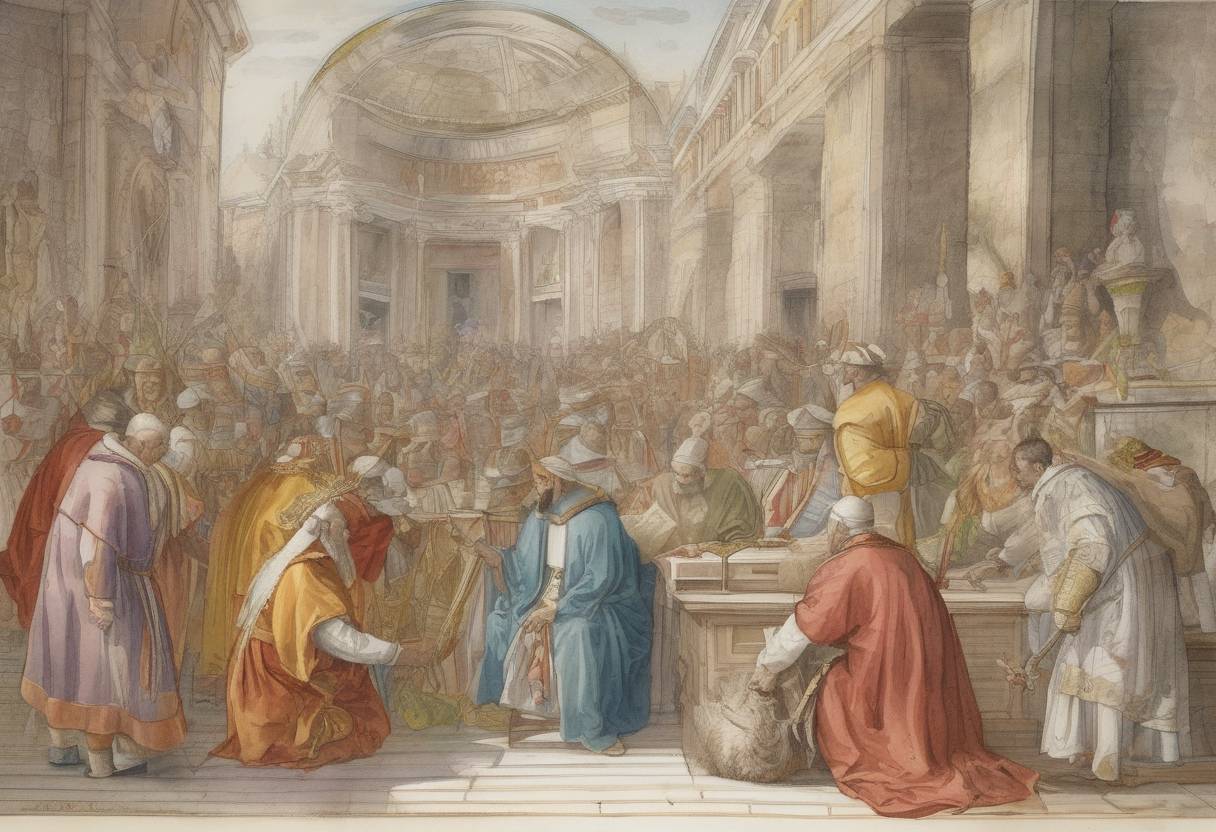
On June 2, 1537, Pope Paul III issued the papal bull Sublimis Deus, a significant document in the history of the Catholic Church and its interactions with Indigenous peoples of the Americas. This decree was a response to the ongoing debates and controversies surrounding the treatment of Indigenous populations by European colonizers.
The Age of Exploration, which began in the late 15th century, led to the discovery of the Americas by European powers. As Spain and Portugal expanded their territories, they encountered numerous Indigenous societies. The colonization process often involved the subjugation and exploitation of these populations, including enslavement and forced labor.
The moral and ethical implications of these practices sparked debates within the Catholic Church. Some clergy and theologians argued for the humane treatment of Indigenous peoples, while others justified their subjugation based on perceived cultural and religious superiority.
Pope Paul III’s Sublimis Deus was a landmark declaration that addressed these issues directly. The bull stated:
Recognition of Rationality and Souls: It affirmed that Indigenous peoples were rational beings with souls, capable of understanding and accepting the Christian faith.
Condemnation of Enslavement: The document explicitly condemned the enslavement of Indigenous peoples, declaring that they should not be deprived of their liberty or possessions.
Evangelization: While it supported the evangelization of Indigenous peoples, it emphasized that this should be done peacefully and respectfully, without coercion or violence.
The issuance of Sublimis Deus was a progressive step for its time, reflecting a growing awareness of the rights and dignity of Indigenous peoples. It provided a moral and theological basis for opposing the enslavement and mistreatment of these communities.
However, the impact of the bull was limited. Despite its clear directives, enforcement was inconsistent, and many colonial authorities and settlers continued to exploit Indigenous populations. The economic interests and entrenched attitudes of superiority often overshadowed the Church’s moral teachings.
While Sublimis Deus did not immediately transform the treatment of Indigenous peoples, it laid the groundwork for future advocacy and reform. It contributed to the broader discourse on human rights and the ethical responsibilities of colonizers.
In the long term, the bull is remembered as an early attempt by the Catholic Church to address the injustices faced by Indigenous populations and to assert their humanity and rights. It remains a significant document in the history of the Church’s engagement with issues of social justice and human dignity.
Source: en.wikipedia.org