The 2016 Summer Olympics in Rio de Janeiro: August 8, 2016
2016 · Rio de Janeiro, Brazil
The 2016 Summer Olympics were underway in Rio de Janeiro, Brazil, marking the first time the Olympics were held in South America.
August 12, 2016
The 2016 Summer Olympics were held in Rio de Janeiro, Brazil, marking the first time the Games were hosted in South America.
Rio de Janeiro, Brazil | International Olympic Committee
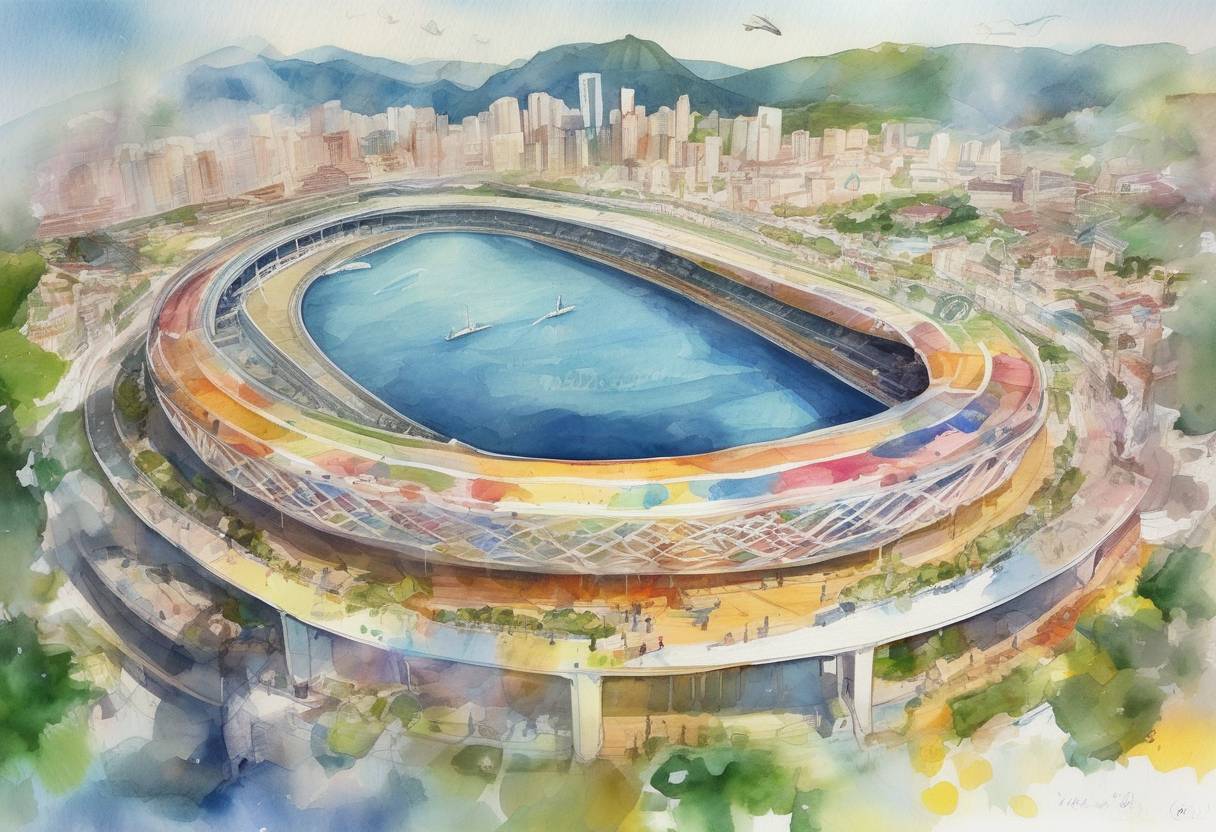
The 2016 Summer Olympics, officially known as the Games of the XXXI Olympiad, were held in Rio de Janeiro, Brazil, from August 5 to August 21, 2016. This marked a historic moment as it was the first time the Olympic Games were hosted in South America. The event brought together athletes from around the world to compete in a wide array of sports, showcasing both athletic prowess and cultural diversity.
On August 12, 2016, several significant events took place across various sports disciplines:
Athletics: The athletics competitions were in full swing, with events such as the men’s 20 km race walk and the women’s shot put taking place. These events are always a highlight of the Olympics, drawing significant attention from fans and media alike.
Swimming: The swimming events continued to captivate audiences, with finals in various categories. Notably, American swimmer Michael Phelps, who had already secured his place as one of the greatest Olympians, continued to compete, adding to his impressive medal tally.
Cycling: The men’s team pursuit finals in track cycling were held, showcasing the speed and strategy of the competing teams.
Judo: Judo events were also underway, with athletes competing in various weight categories. Judo has been a staple of the Olympic Games since 1964 and continues to be a popular event.
The Rio 2016 Olympics were significant for several reasons:
First in South America: As the first Olympics held in South America, the Rio Games represented a significant milestone in the Olympic movement’s efforts to globalize the event and bring it to new regions.
Economic and Social Challenges: The Games were held amidst various economic and social challenges in Brazil, including political instability and public protests. Despite these issues, the event was largely successful in terms of athletic performance and international participation.
Environmental Concerns: Leading up to the Games, there were concerns about pollution in the water venues and the overall environmental impact of the event. These issues were widely reported and discussed in the media.
The Rio 2016 Olympics left a mixed legacy:
Infrastructure: The Games led to significant infrastructure development in Rio, including new sports venues and improvements in transportation. However, some of these facilities have since fallen into disuse.
Economic Impact: The economic benefits of hosting the Olympics were debated, with some arguing that the costs outweighed the gains.
Cultural Impact: The Games highlighted Brazil’s rich cultural heritage and brought global attention to South America, fostering a sense of pride and unity among many Brazilians.
Overall, the 2016 Summer Olympics in Rio de Janeiro were a landmark event in Olympic history, remembered for both the athletic achievements and the broader social and economic discussions they sparked.
Source: en.wikipedia.org