Notre-Dame Cathedral Fire - April 15, 2019
2019 · Paris, France
A major fire engulfed the Notre-Dame Cathedral in Paris, causing significant damage to the historic structure, including the collapse of its spire and roof.
May 2, 2014
A fire broke out at the Trade Unions House in Odessa, Ukraine, during clashes between pro-Ukrainian and pro-Russian groups, resulting in the deaths of 42 people.
Odessa, Ukraine | none
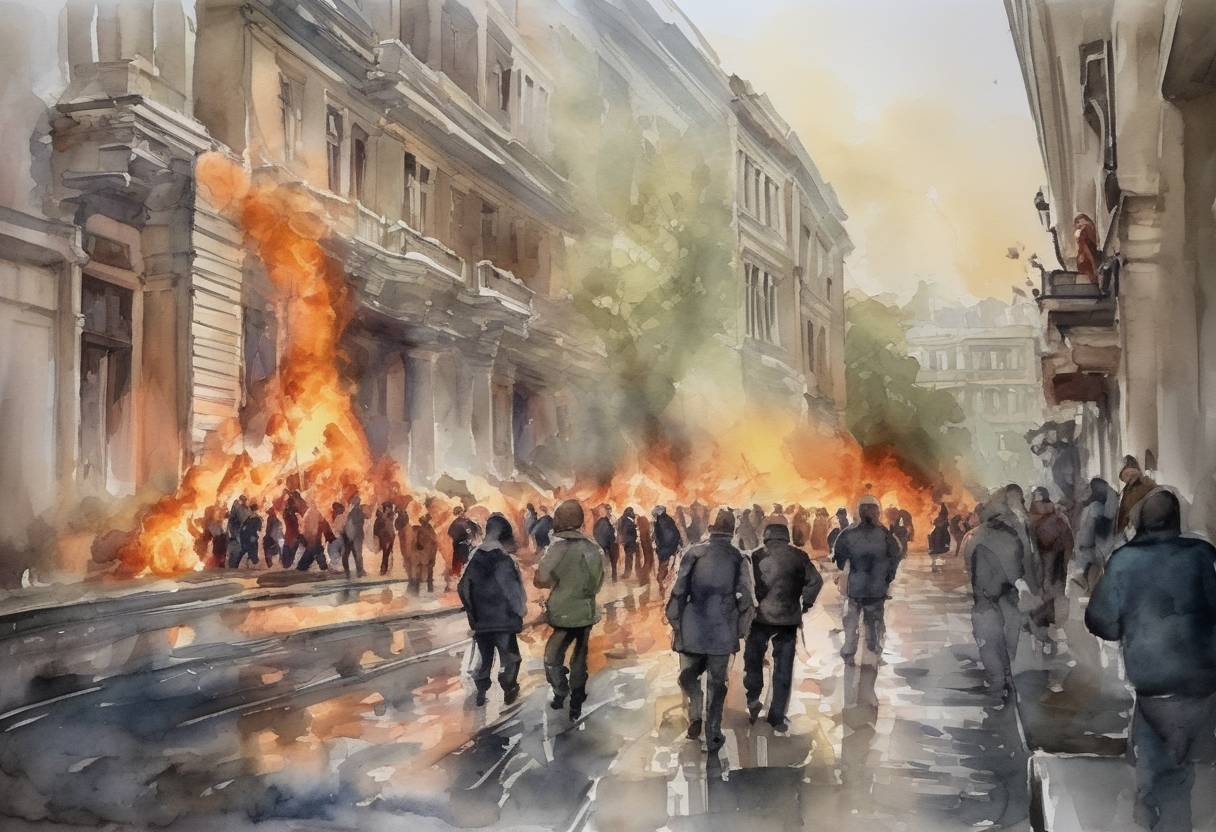
On May 2, 2014, a tragic event unfolded in Odessa, Ukraine, when a fire broke out at the Trade Unions House during violent clashes between pro-Ukrainian and pro-Russian groups. This incident resulted in the deaths of 42 people and marked a significant moment in the ongoing conflict in Ukraine.
The events in Odessa were part of the broader unrest in Ukraine that began in late 2013, known as the Euromaidan protests. These protests initially started as a response to then-President Viktor Yanukovych’s decision to suspend an association agreement with the European Union, opting instead for closer ties with Russia. The situation escalated into a larger conflict involving issues of national identity, governance, and geopolitical alignment.
By early 2014, tensions had risen significantly, particularly in the eastern and southern regions of Ukraine, where a substantial portion of the population identified as ethnically Russian or Russian-speaking. The annexation of Crimea by Russia in March 2014 further exacerbated these tensions, leading to violent clashes in various parts of the country.
On May 2, 2014, Odessa became a flashpoint in the conflict. Pro-Ukrainian and pro-Russian groups organized rallies in the city, which quickly descended into violence. The clashes began in the afternoon near the city center, with both sides reportedly using firearms, Molotov cocktails, and other weapons.
As the violence escalated, pro-Russian activists retreated to the Trade Unions House, a large Soviet-era building in Odessa. It was here that the most tragic part of the day’s events occurred. A fire broke out in the building, trapping many inside. The exact cause of the fire remains disputed, with both sides blaming each other for starting it.
The fire resulted in the deaths of 42 people, most of whom were pro-Russian activists. Many died from smoke inhalation or were unable to escape the flames. The incident shocked Ukraine and the international community, highlighting the severe and deadly nature of the conflict.
In the aftermath, there were calls for thorough investigations to determine the causes and responsibilities for the tragedy. However, the highly polarized political environment made it challenging to reach a consensus on the events of that day.
The Odessa fire underscored the deep divisions within Ukraine and the potential for violence in the ongoing conflict. It also highlighted the international dimensions of the crisis, with Russia and Western countries supporting opposing sides.
The incident remains a poignant reminder of the human cost of the conflict in Ukraine and the complexities involved in resolving such deeply rooted issues. It also serves as a critical moment in understanding the broader geopolitical struggles in the region.
In conclusion, the Odessa Trade Unions House fire on May 2, 2014, was a tragic event that reflected the intense and violent nature of the Ukrainian conflict, with significant implications for both domestic and international politics.
Source: en.wikipedia.org