Jamaica Gains Independence from the United Kingdom
1962 · Kingston, Jamaica
Jamaica gained independence from the United Kingdom, becoming a sovereign nation within the Commonwealth.
May 23, 2010
Jamaican security forces launched an operation in Kingston to capture drug lord Christopher 'Dudus' Coke, leading to widespread violence and numerous casualties.
Kingston, Jamaica | Jamaican Government
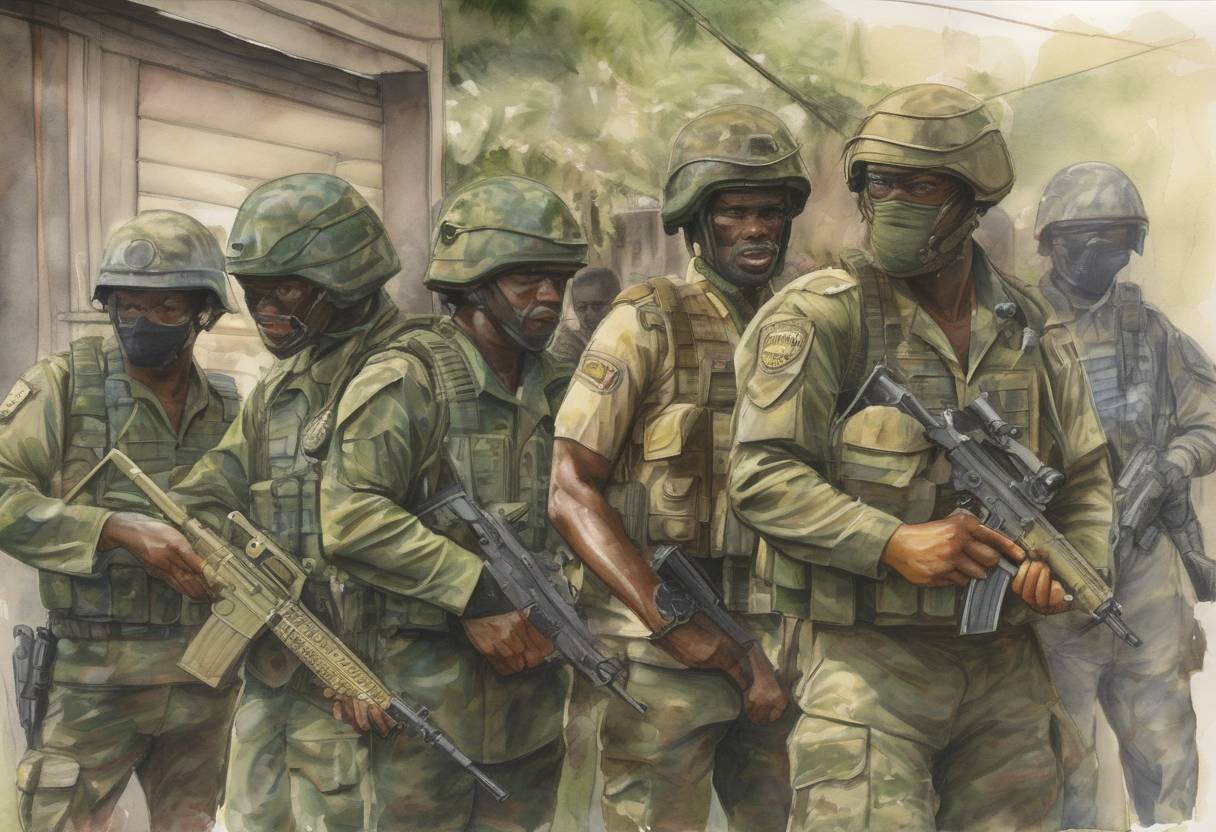
On May 23, 2010, Jamaican security forces launched a significant military operation in Kingston, Jamaica, aimed at capturing Christopher ‘Dudus’ Coke, a notorious drug lord and the leader of the infamous Shower Posse gang. This operation marked a pivotal moment in Jamaica’s struggle against organized crime and had profound implications for the country’s security and political landscape.
Christopher ‘Dudus’ Coke was a powerful figure in Jamaica, wielding considerable influence in the Tivoli Gardens neighborhood of Kingston. He was wanted by the United States on charges of drug trafficking and arms smuggling. The U.S. had requested his extradition, which the Jamaican government initially resisted, citing concerns over the legality of wiretap evidence used in the U.S. indictment.
The reluctance to extradite Coke led to mounting international pressure and domestic criticism, eventually prompting the Jamaican government to act. On May 17, 2010, Prime Minister Bruce Golding announced that the extradition process would proceed, setting the stage for the operation.
On May 23, 2010, Jamaican security forces, including the Jamaica Defence Force and the Jamaica Constabulary Force, initiated a large-scale operation to apprehend Coke. The operation focused on Tivoli Gardens, a stronghold for Coke and his supporters.
The operation to capture Christopher ‘Dudus’ Coke underscored the challenges faced by nations grappling with powerful criminal networks. It also illustrated the complexities of international law enforcement cooperation and the impact of organized crime on political stability. The events of May 23, 2010, remain a significant chapter in Jamaica’s ongoing efforts to combat crime and ensure national security.
Source: www.bbc.com