The Opening of The Anne Frank House Museum
1960 · Amsterdam, Netherlands
The Anne Frank House museum opened in Amsterdam, Netherlands.
July 6, 1942
Anne Frank and her family went into hiding in the Secret Annex above her father's office in Amsterdam to escape Nazi persecution.
Amsterdam, Netherlands | none
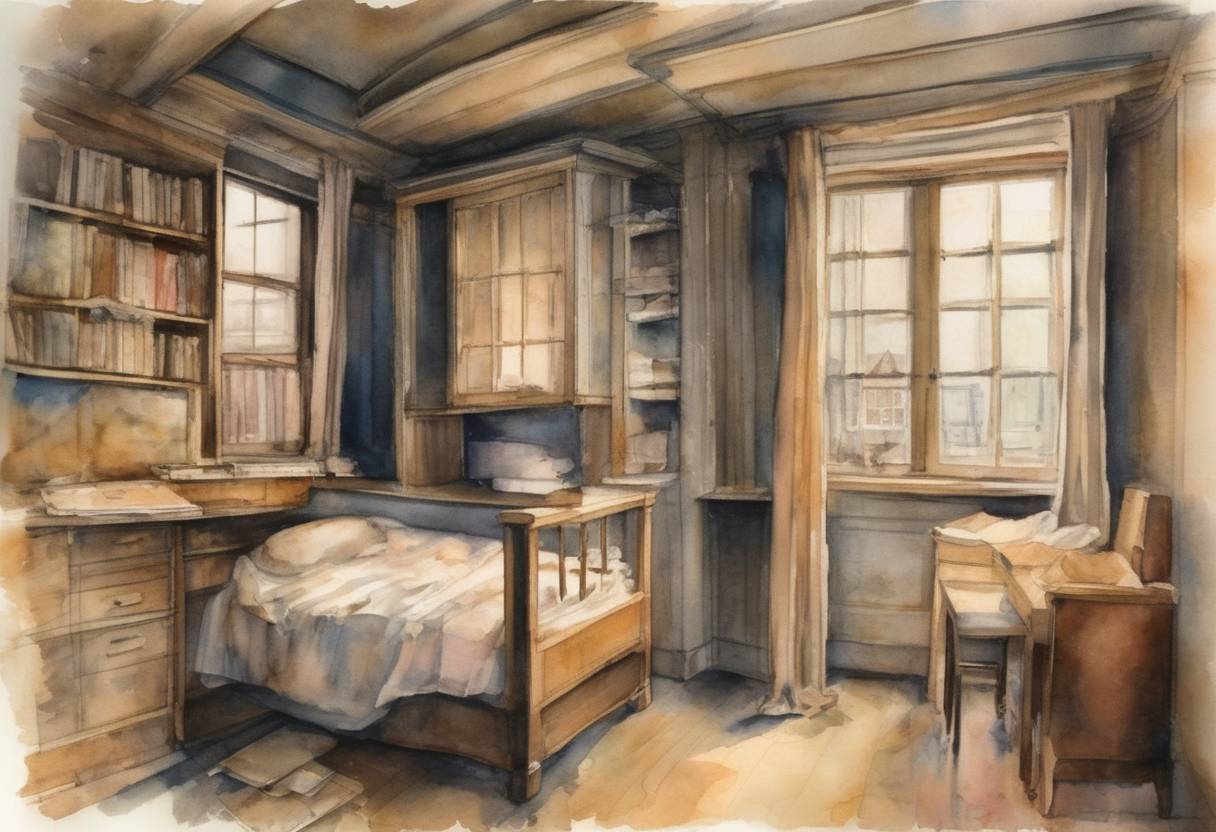
On July 6, 1942, Anne Frank and her family went into hiding in the Secret Annex, a concealed space above her father Otto Frank’s office in Amsterdam. This significant event marked the beginning of a two-year period during which the Frank family, along with four other Jewish individuals, sought refuge from the Nazi regime’s escalating persecution of Jews during World War II.
Rise of Nazi Power: Adolf Hitler’s rise to power in Germany in 1933 led to the implementation of anti-Semitic laws and the persecution of Jews. The Frank family, originally from Germany, moved to the Netherlands in 1933 to escape these oppressive conditions.
Occupation of the Netherlands: In May 1940, Nazi Germany invaded and occupied the Netherlands. The occupation brought about severe restrictions and dangers for the Jewish population, including the introduction of discriminatory laws and the requirement for Jews to wear yellow stars.
Increasing Persecution: By 1942, the situation had worsened with the Nazis beginning to deport Jews from the Netherlands to concentration camps. The Frank family, aware of the growing threat, decided to go into hiding.
Location: The Secret Annex was located at Prinsengracht 263, Amsterdam, in the rear of the building where Otto Frank’s business was situated. The entrance to the annex was concealed behind a movable bookcase.
Inhabitants: The Frank family—Otto, his wife Edith, and their daughters Margot and Anne—were joined by the Van Pels family (Hermann, Auguste, and their son Peter) and later by Fritz Pfeffer, a dentist.
Life in Hiding: The families lived in constant fear of discovery. They had to remain silent during the day to avoid detection by the workers in the office below. Despite the hardships, Anne Frank documented her experiences and thoughts in her diary, which would later become one of the most poignant accounts of life during the Holocaust.
Discovery and Arrest: On August 4, 1944, the families were betrayed and discovered by the Gestapo. They were arrested and deported to concentration camps. Anne Frank and her sister Margot eventually died of typhus in the Bergen-Belsen concentration camp in early 1945.
Legacy: Otto Frank, the sole survivor of the family, returned to Amsterdam after the war and discovered Anne’s diary. He arranged for its publication, and “The Diary of a Young Girl” has since become a powerful symbol of the human cost of the Holocaust and a testament to the resilience of the human spirit.
The story of Anne Frank and her time in the Secret Annex continues to educate and inspire people worldwide, serving as a poignant reminder of the atrocities of the Holocaust and the enduring importance of human rights and tolerance.
Source: en.wikipedia.org