Oklahoma Becomes the 46th State of the United States
1907 · Guthrie, United States
Oklahoma becomes the 46th state of the United States.
July 3, 1890
Idaho was admitted as the 43rd state of the United States.
Boise, United States | United States Congress
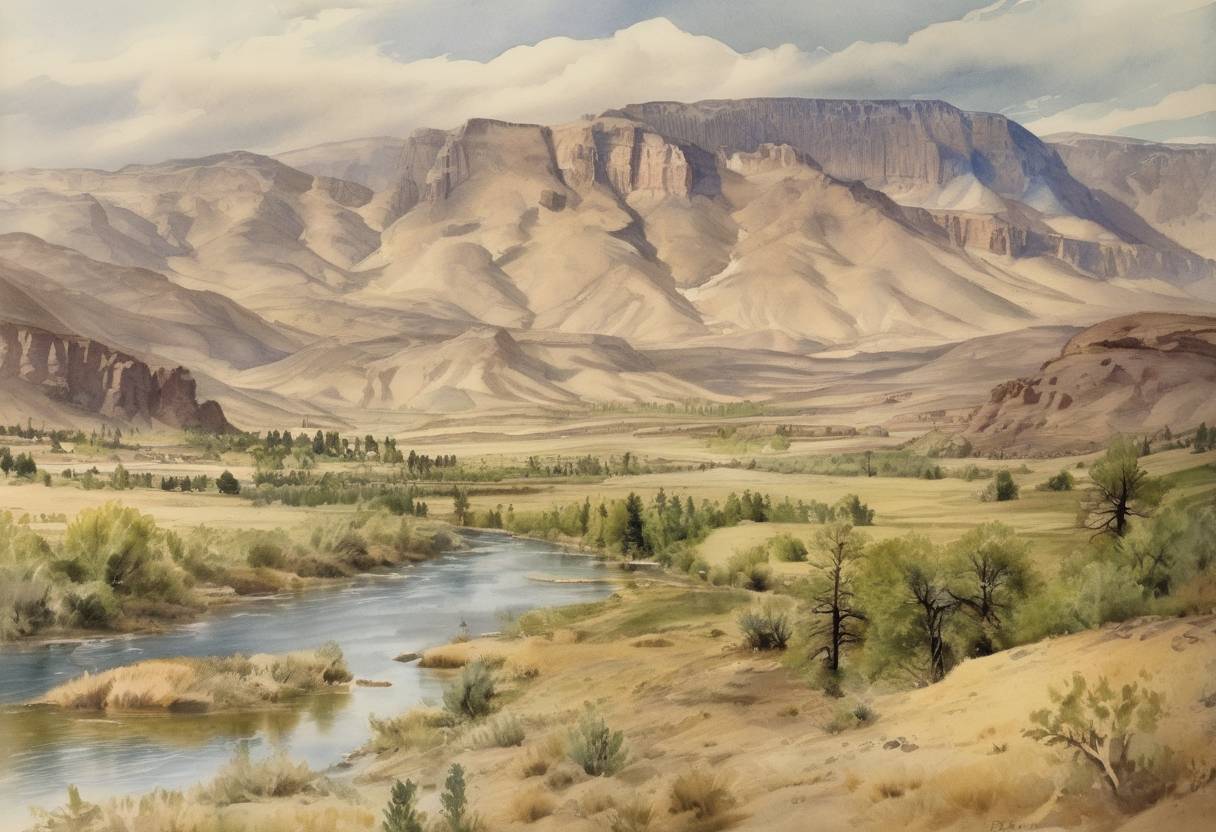
On July 3, 1890, Idaho was officially admitted to the United States as the 43rd state. This significant event marked the culmination of a series of developments in the region, reflecting both the expansionist policies of the United States during the 19th century and the unique characteristics of Idaho itself.
Native American Tribes: Before European-American settlement, the region that would become Idaho was inhabited by various Native American tribes, including the Nez Perce, Shoshone, and Bannock peoples. These tribes had rich cultural traditions and complex societies.
Exploration and Settlement: The Lewis and Clark Expedition (1804-1806) was among the first to explore the area, paving the way for fur traders and settlers. The Oregon Trail, which passed through southern Idaho, further increased the influx of settlers in the mid-19th century.
Mining Boom: The discovery of gold in the 1860s led to a mining boom, attracting thousands of prospectors and settlers to the region. This influx significantly increased the population and economic activity, laying the groundwork for statehood.
Idaho Territory: Established on March 4, 1863, the Idaho Territory initially included present-day Idaho, Montana, and Wyoming. Over time, as other territories were carved out, Idaho’s boundaries were refined to their current form.
Push for Statehood: As the population grew, there was increasing pressure for Idaho to transition from territorial status to statehood. The residents sought greater representation and autonomy, which statehood would provide.
Statehood Act: The push for statehood culminated in the passage of the Idaho Admission Act by the U.S. Congress. President Benjamin Harrison signed the act into law on July 3, 1890, officially making Idaho the 43rd state.
Constitution: Idaho adopted a state constitution that included progressive elements for the time, such as women’s suffrage, which was granted in 1896, making Idaho one of the early adopters of this right.
Economic Development: Statehood facilitated further economic development, particularly in agriculture, mining, and later, forestry. The establishment of infrastructure and institutions helped integrate Idaho more fully into the national economy.
Cultural and Political Impact: Idaho’s admission reflected the broader trends of westward expansion and the incorporation of diverse regions into the United States. It also highlighted the complex interactions between settlers and Native American tribes, which would continue to evolve.
Legacy: Today, Idaho is known for its natural beauty, including vast wilderness areas and national parks, as well as its agricultural contributions, particularly in potato farming.
Idaho’s journey to statehood is a testament to the dynamic changes in the United States during the 19th century, characterized by exploration, settlement, and the quest for new opportunities in the American West.
Source: en.wikipedia.org