Winston Churchill's Knighthood on April 24, 1953
1953 · London, United Kingdom
Winston Churchill was knighted by Queen Elizabeth II.
July 9, 1955
The Russell-Einstein Manifesto is released, highlighting the dangers of nuclear weapons and calling for peaceful resolutions to international conflicts.
London, United Kingdom | Pugwash Conferences on Science and World Affairs
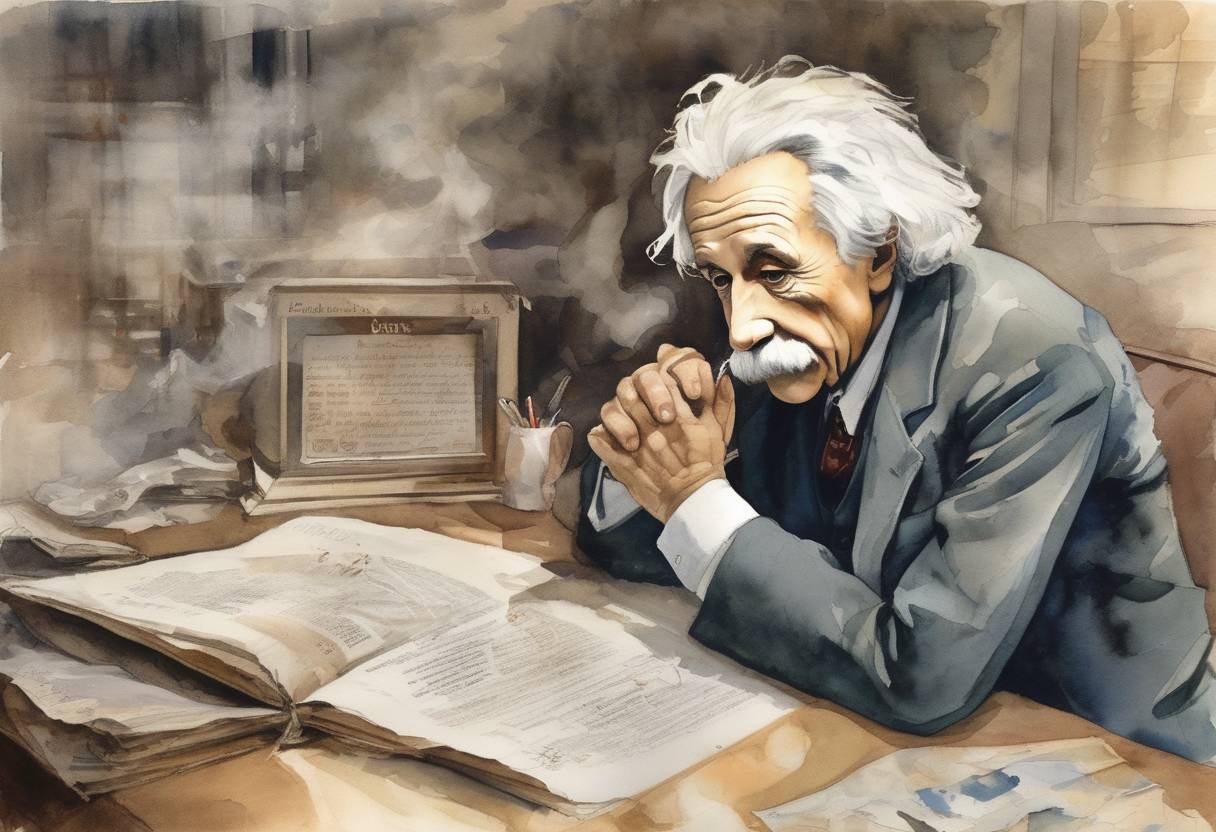
On July 9, 1955, the Russell-Einstein Manifesto was released, marking a pivotal moment in the history of nuclear disarmament and international diplomacy. This document was a profound appeal to the global community to recognize the existential threat posed by nuclear weapons and to seek peaceful resolutions to international conflicts.
The manifesto was the brainchild of two eminent intellectuals of the 20th century: Bertrand Russell, a British philosopher and Nobel laureate, and Albert Einstein, the renowned theoretical physicist. The context of its release was the height of the Cold War, a period characterized by intense geopolitical tension between the United States and the Soviet Union, both of whom possessed significant nuclear arsenals.
Einstein, who had been a vocal advocate for peace and disarmament, collaborated with Russell to draft the manifesto. Unfortunately, Einstein passed away in April 1955, just months before the document’s release, but he had signed it, lending his considerable influence to the cause.
The Russell-Einstein Manifesto was signed by eleven prominent scientists and intellectuals, including:
The document highlighted the catastrophic consequences of nuclear warfare, emphasizing that a nuclear conflict would not only devastate the warring nations but could potentially annihilate human civilization. It urged world leaders to consider the human race’s survival over national interests and to pursue peaceful negotiations to resolve disputes.
Recognition of Nuclear Threat: The manifesto underscored the unprecedented destructive power of nuclear weapons and the inability of any nation to protect its citizens in the event of a nuclear war.
Call for Disarmament: It advocated for the reduction and eventual elimination of nuclear arsenals, urging nations to prioritize disarmament in their international policies.
Promotion of Peaceful Resolutions: The document called for the establishment of mechanisms to resolve international conflicts through dialogue and negotiation rather than military confrontation.
Appeal to Humanity: It appealed to scientists and intellectuals worldwide to take a stand against the proliferation of nuclear weapons and to work towards a peaceful future.
The Russell-Einstein Manifesto laid the groundwork for the Pugwash Conferences on Science and World Affairs, which began in 1957. These conferences brought together scientists and policymakers to discuss ways to reduce the risk of armed conflict and promote global security. In 1995, the Pugwash Conferences and Joseph Rotblat, one of the signatories, were awarded the Nobel Peace Prize for their efforts in nuclear disarmament.
The manifesto remains a significant historical document, symbolizing the power of intellectual advocacy in shaping public discourse and influencing policy on global security issues. It continues to inspire movements for peace and disarmament in the contemporary world.
Source: en.wikipedia.org