The Signing of the Civil Rights Act of 1964
1964 · Washington, D.C., United States
U.S. President Lyndon B. Johnson signs the Civil Rights Act of 1964 into law, prohibiting discrimination based on race, color, religion, sex, or national origin.
June 19, 1964
The Civil Rights Act of 1964 is approved by the United States Senate after a lengthy filibuster, paving the way for its eventual passage and signing into law.
Washington D.C., United States | United States Senate
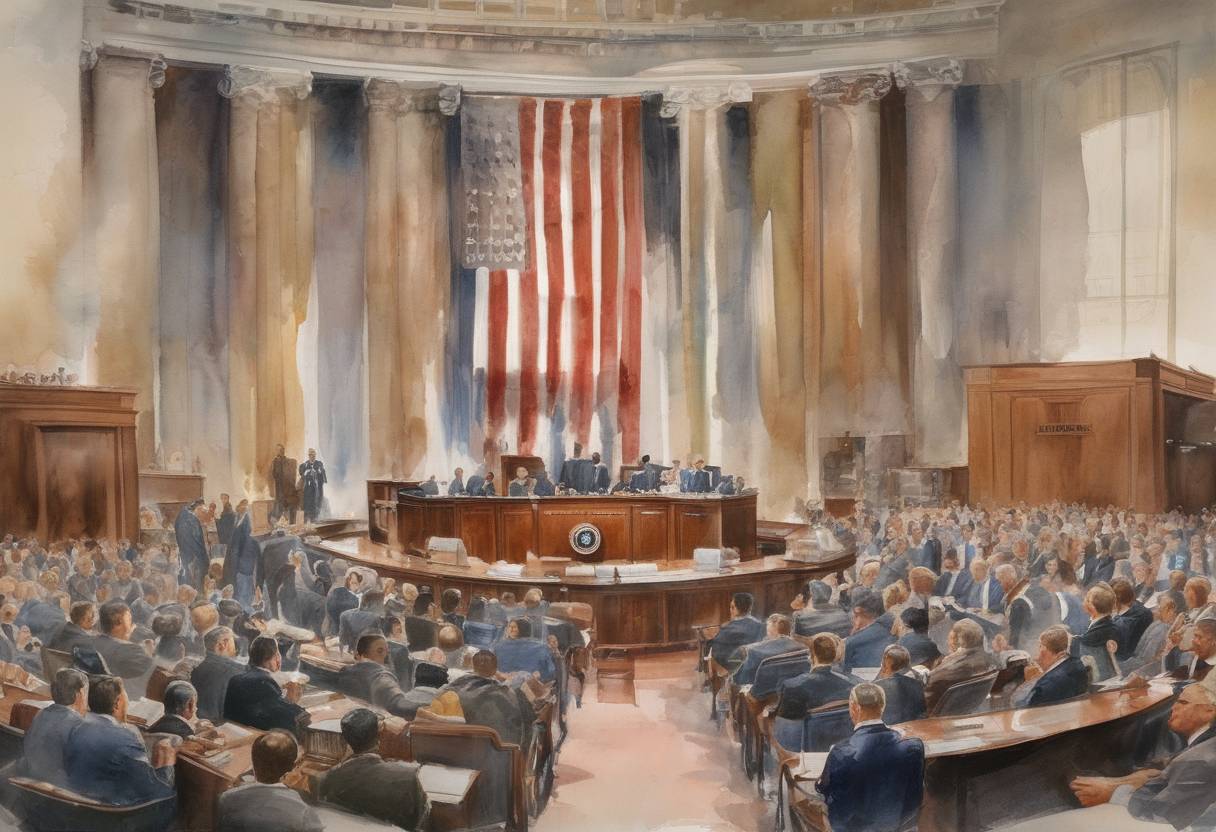
On June 19, 1964, the United States Senate approved the Civil Rights Act of 1964, marking a pivotal moment in American history. This landmark legislation aimed to end segregation in public places and banned employment discrimination on the basis of race, color, religion, sex, or national origin. The Senate’s approval came after a protracted and intense filibuster, underscoring the contentious nature of civil rights issues during this period.
The Civil Rights Movement had gained significant momentum throughout the 1950s and early 1960s, driven by widespread activism and notable events such as the Montgomery Bus Boycott (1955-1956) and the March on Washington (1963). Despite these efforts, African Americans and other minority groups continued to face systemic discrimination and segregation, particularly in the Southern United States.
President John F. Kennedy initially proposed the Civil Rights Act in June 1963, following the violent repression of civil rights activists in Birmingham, Alabama. After Kennedy’s assassination in November 1963, President Lyndon B. Johnson took up the cause, using his political acumen to push the legislation forward.
The Civil Rights Act faced significant opposition in the Senate, primarily from Southern Democrats who employed a filibuster to delay its passage. The filibuster lasted for 60 working days, making it one of the longest in U.S. Senate history. Key figures in the opposition included Senator Richard Russell of Georgia, who argued that the bill infringed on states’ rights.
To overcome the filibuster, Senate Majority Leader Mike Mansfield and Senator Hubert Humphrey, the bill’s floor manager, worked tirelessly to gather the necessary support. Their efforts culminated in a successful cloture vote on June 10, 1964, which effectively ended the filibuster by a vote of 71-29. This was the first time in history that the Senate had invoked cloture on a civil rights bill.
Following the end of the filibuster, the Senate voted to approve the Civil Rights Act on June 19, 1964, with a vote of 73-27. This decisive action paved the way for the bill’s passage in the House of Representatives, where it had already been approved earlier in the year.
President Lyndon B. Johnson signed the Civil Rights Act into law on July 2, 1964. The legislation represented a significant victory for the Civil Rights Movement and laid the groundwork for subsequent civil rights advancements, including the Voting Rights Act of 1965.
The Civil Rights Act of 1964 is widely regarded as a cornerstone of civil rights legislation in the United States. It not only dismantled legal segregation but also set a precedent for future anti-discrimination laws. The Act’s passage demonstrated the federal government’s commitment to upholding civil rights and equality, influencing social and political change across the nation.
In summary, the Senate’s approval of the Civil Rights Act on June 19, 1964, was a critical step in the fight for civil rights, reflecting the persistent efforts of activists and lawmakers to achieve justice and equality for all Americans.
Source: en.wikipedia.org