Publication of 'A Christmas Carol'
1843 · London, United Kingdom
Charles Dickens' novella 'A Christmas Carol' was first published in London. It quickly became a classic story during the Christmas season.
December 18, 1843
Charles Dickens's novella 'A Christmas Carol' was published, quickly becoming a classic work of English literature.
London, United Kingdom
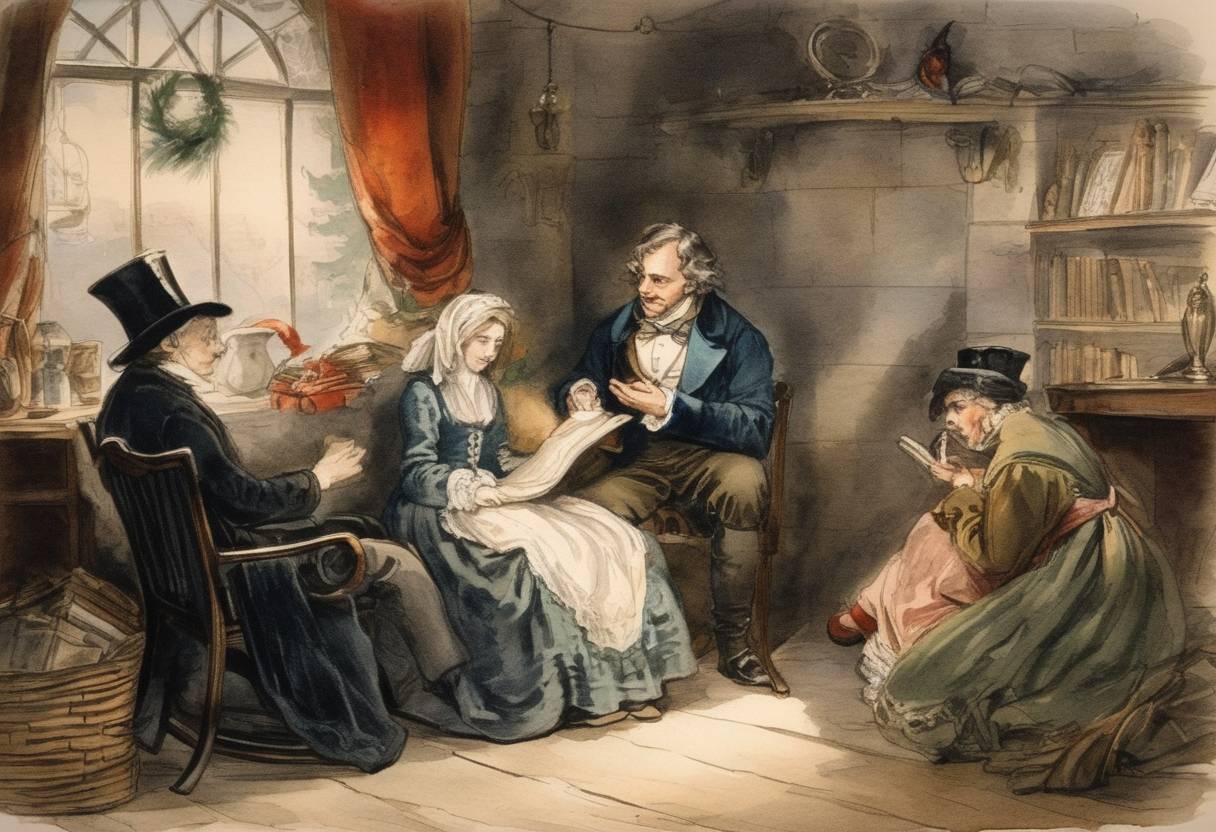
On December 18, 1843, Charles Dickens’s novella A Christmas Carol was published in London by Chapman & Hall. The work quickly became a classic of English literature, known for its vivid characters and powerful themes of redemption, compassion, and the spirit of Christmas.
A Christmas Carol was written during a time when England was experiencing a re-evaluation of Christmas traditions. The Victorian era saw a resurgence of festive customs, and Dickens’s novella played a key role in reviving the holiday’s cultural significance.
The novella’s publication followed Dickens’s visit to the industrial city of Manchester, where he was inspired by the harsh realities of poverty and working-class conditions. This experience, coupled with a desire to address social issues, influenced the social commentary woven into the narrative.
The story follows Ebenezer Scrooge, a miserly old man who despises Christmas and shuns human connection. On Christmas Eve, Scrooge is visited by the ghost of his former business partner, Jacob Marley, who warns him to change his ways or face a grim afterlife.
Scrooge is then visited by three spirits: the Ghost of Christmas Past, the Ghost of Christmas Present, and the Ghost of Christmas Yet to Come. Each spirit reveals to Scrooge the impact of his actions on himself and others, urging him towards transformation.
The novella was an immediate success, critically acclaimed for its heartfelt storytelling and poignant moral message. It became known for its strong advocacy of generosity and social responsibility.
Beyond its literary acclaim, A Christmas Carol contributed significantly to popularizing Christmas traditions such as family gatherings, seasonal meals, and festive generosity, shaping modern perceptions of how the holiday is celebrated.
The enduring success of A Christmas Carol has led to numerous adaptations, including stage, film, and television versions, reinforcing its place as an indelible part of Christmas lore.
A Christmas Carol remains one of Dickens’s most famous works and is frequently re-published, performed, and discussed. Its themes of compassion and transformation continue to resonate with audiences, emphasizing the enduring power of hope and change.
The novella also reflects Dickens’s legacy as a social critic and storyteller whose works address the societal issues of his time, advocating for empathy and understanding across class divisions.
Through its relatable characters, moral lessons, and impactful themes, A Christmas Carol endures as a beloved narrative that captures the essence of the human capacity for empathy and change.
Source: www.bl.uk