The First Session of the United States Congress in Washington, D.C.
1800 · Washington, D.C., United States
The United States Congress held its first session in Washington, D.C., in the partially completed Capitol building.
December 6, 1790
The United States Congress moved from New York City to Philadelphia, as per the Residence Act.
Philadelphia, United States | United States Congress
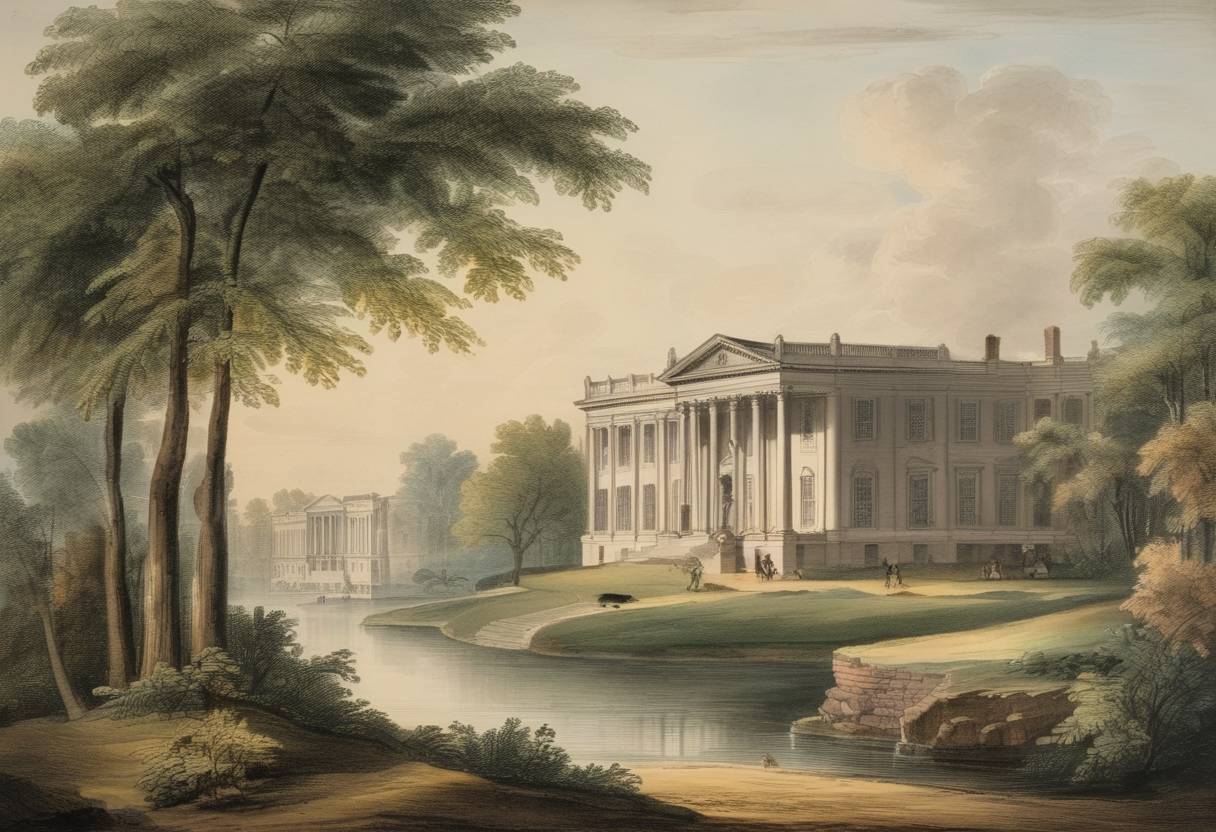
On December 6, 1790, the United States Congress officially relocated from New York City to Philadelphia. This move was mandated by the Residence Act, a pivotal piece of legislation passed in July 1790. The act designated Philadelphia as the temporary capital of the United States while a permanent capital was developed along the Potomac River, which would later become Washington, D.C.
The Residence Act was part of a compromise famously known as the Compromise of 1790, orchestrated by key political figures, including Alexander Hamilton, Thomas Jefferson, and James Madison. The agreement aimed to address the pressing issue of the national capital’s location and facilitate the passage of Hamilton’s financial plan to assume state debts.
Prior to this decision, New York City had been serving as the capital of the United States since 1785 and was the location of the inauguration of the first President, George Washington, in 1789.
Temporary Location: The shift to Philadelphia was to last for ten years. This period served as a transitional phase as the federal city along the Potomac was developed. Philadelphia was a major city and had previously served as a meeting place for the Continental Congress and the Constitutional Convention, thus holding historical significance and providing adequate governmental facilities.
Impact on Cities: The move had notable economic and social implications for both New York City and Philadelphia. New York, having experienced an economic boom as the capital, saw a shift in its political centrality, while Philadelphia experienced an influx of political activity and developments during this period.
Congress’s decade-long stay in Philadelphia, while promising the city’s potential as a capital, was overshadowed by its eventual relocation to Washington, D.C. This final transition took place in 1800, fulfilling the Residence Act’s directives as construction of the new capital city on the banks of the Potomac was completed.
The move marked a vital step in establishing the new nation’s burgeoning political landscape and highlighted the early American government’s capacity to broker compromises on significant issues. It also set a precedent for the flexible yet strategic planning involved in developing the nation’s capital infrastructure.
Source: en.wikipedia.org