December 12, 1950

Paula Ackerman becomes the first woman in the United States to assume religious leadership of a mainstream synagogue when she leads the congregation of Temple Beth Israel in Meridian, Mississippi, following the death of her husband Estevan, its rabbi.


Meridian, United States | Temple Beth Israel
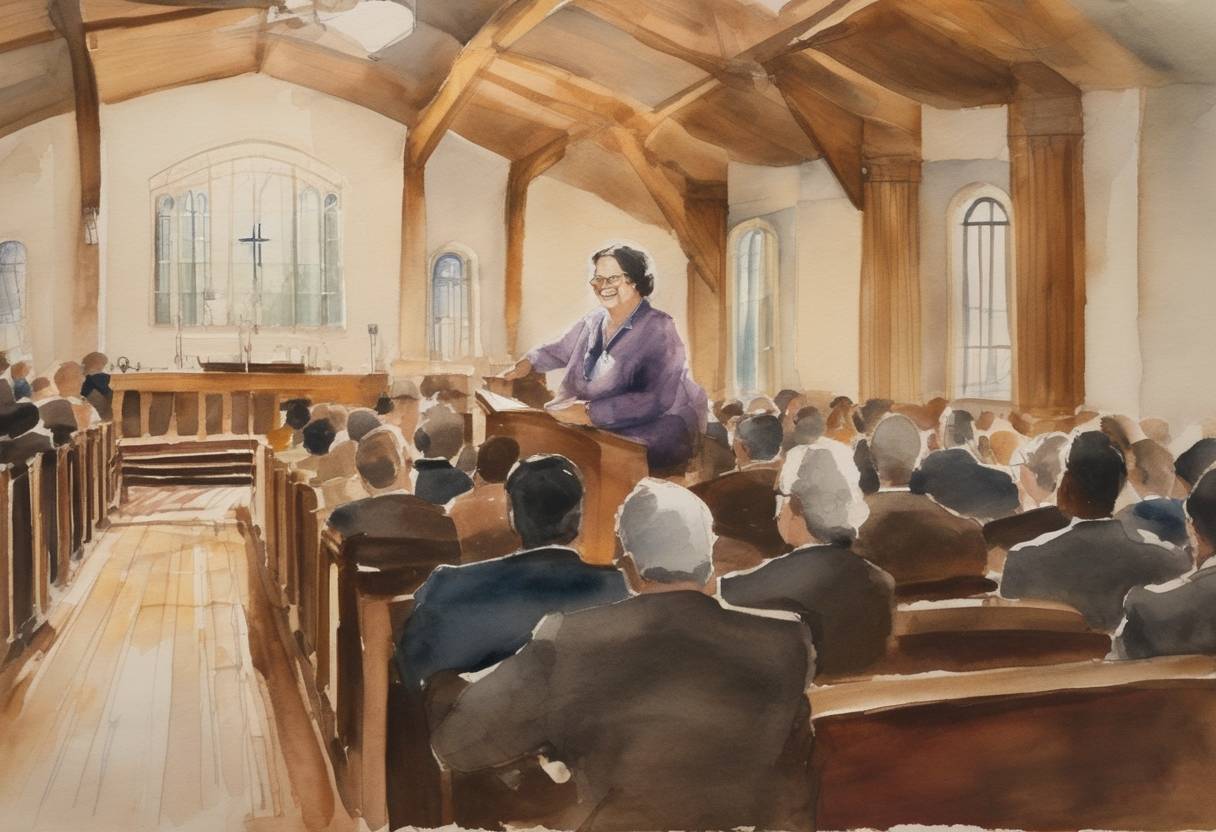
Watercolor painting based depiction of Paula Ackerman becomes the first woman in the United States to assume religious leadership of a mainstream synagogue when she leads the congregation of Temple Beth Israel in Meridian, Mississippi, following the death of her husband Estevan, its rabbi. (1950)

Paula Ackerman’s Leadership at Temple Beth Israel

On December 12, 1950, Paula Ackerman made history by becoming the first woman in the United States to assume religious leadership of a mainstream synagogue when she began leading Temple Beth Israel in Meridian, Mississippi. This significant event occurred following the death of her husband, Rabbi William Ackerman, who served as the synagogue’s rabbi.

Context and Background

  • William Ackerman’s Death: Rabbi William Ackerman passed away unexpectedly, leaving a leadership vacuum at Temple Beth Israel, a Reform Judaism congregation.
  • Paula’s Assumption of Role: Despite initial resistance from some parts of the Jewish community, Paula Ackerman was asked by the synagogue’s board and congregation to take over her late husband’s duties temporarily.

Significance

  • Breaking Gender Barriers: Ackerman’s role as a religious leader was groundbreaking at a time when rabbinical leadership was exclusively male-dominated in mainstream congregations.
  • Impact on Jewish Women’s Role: Her leadership challenged prevailing norms and opened up conversations about women’s roles in Jewish religious life.

Aftermath and Influence

  • Ackerman’s Tenure: She led the congregation from 1950 until 1953, performing all functions of a rabbi except officiating over marriage ceremonies, which were officially restricted to ordained rabbis.
  • Legacy: Although the Central Conference of American Rabbis declined to officially ordain her, Paula Ackerman’s leadership laid groundwork for future acceptance of women rabbis in American Judaism. Her service is seen as a pivotal moment in the evolving role of women in religious leadership roles.

Ackerman’s pioneering role at Temple Beth Israel was an early step in the journey towards gender equality within Jewish religious institutions, significantly influencing the Reform movement’s eventual acceptance of women rabbis.

Source: www.jwa.org