Wayne Gretzky Becomes the All-Time Leading Scorer in the NHL
1989 · Edmonton, Canada
Wayne Gretzky becomes the all-time leading scorer in the NHL, surpassing Gordie Howe's record of 1,850 points.
September 15, 2004
The National Hockey League (NHL) announces a lockout, leading to the eventual cancellation of the season.
, United States | National Hockey League
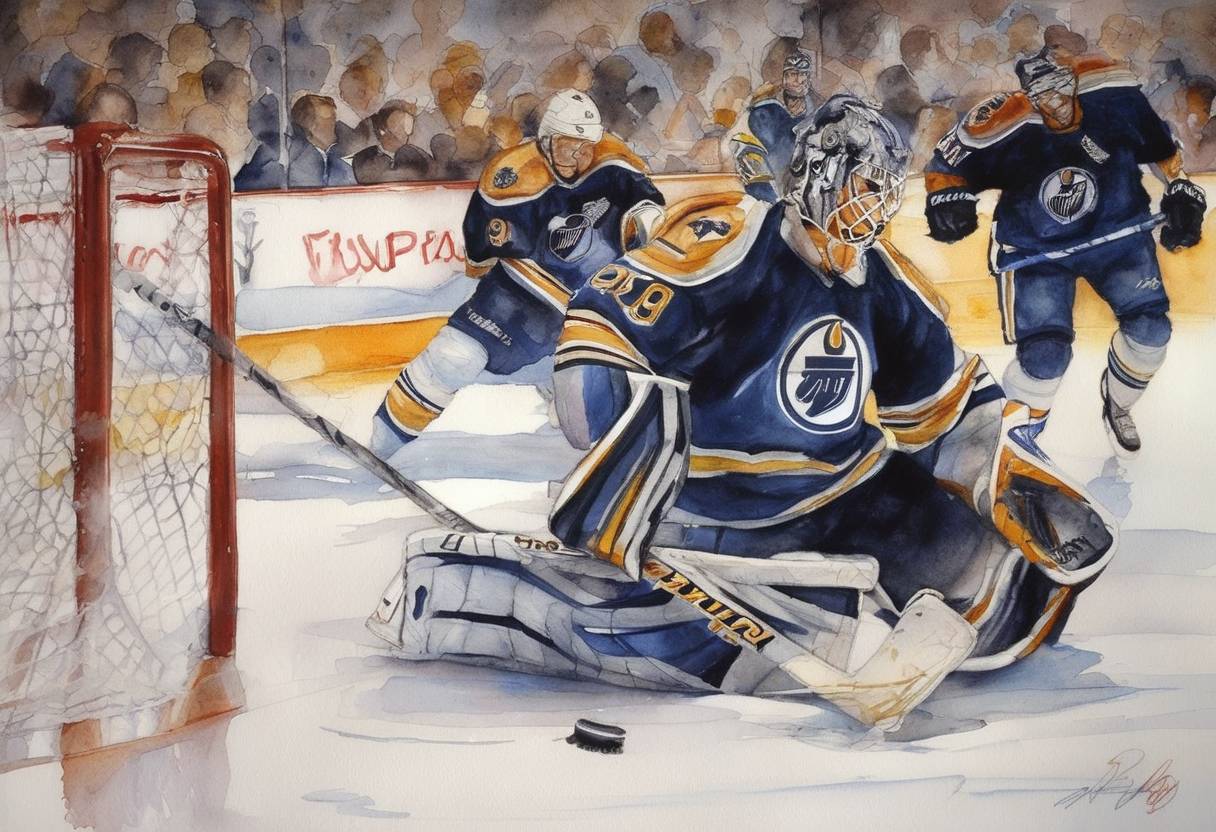
On September 15, 2004, the National Hockey League (NHL) officially commenced a lockout, marking the third lockout in the history of the league. This decision was primarily driven by ongoing disputes between the NHL team owners and the players’ association over salary cap issues and financial structures within the league.
The NHL had been experiencing financial difficulties leading to this point, with many team owners reporting significant losses despite the league’s growing popularity. The central issue was the escalating player salaries which owners argued were unsustainable under the existing system. As a result, team owners were seeking a new collective bargaining agreement (CBA) that included a salary cap to control payroll expenses.
Expired CBA: The collective bargaining agreement between the NHL and the National Hockey League Players’ Association (NHLPA) expired on September 15, 2004. Efforts to negotiate a new CBA had been unsuccessful leading up to this date.
Failed Negotiations: The negotiations were contentious, with both sides unable to come to an agreement on key financial terms. The owners insisted on implementing a salary cap while the players’ union was resolutely opposed, arguing that it was not a viable solution to the league’s economic issues.
The lockout resulted in the cancellation of the entire 2004-2005 NHL season. For the first time in the history of North American professional sports, a major sports league canceled an entire season due to a labor dispute. This decision affected numerous stakeholders including players, coaches, team staff, vendors, and fans.
Loss of Revenue: The suspension of the season led to significant financial losses for all parties involved. Teams and local businesses that relied on the revenue generated by games suffered economic consequences.
Fan Disenchantment: The lockout damaged the league’s relationship with its fanbase, with some fans expressing frustration and dissatisfaction over the prolonged dispute.
The lockout ended on July 22, 2005, when the NHL and NHLPA reached an agreement on a new CBA, which included the hard salary cap the owners had sought. The new agreement also included revenue sharing among teams and a cap on individual player salaries.
The 2004-2005 NHL lockout is historically significant as it highlighted the challenges professional sports leagues face in balancing economics and competitive equity. The resolution of the lockout paved the way for significant financial restructuring within the NHL, impacting how player contracts and team payrolls were managed in the following years. The lockout served as an example for other leagues encountering similar financial disputes, underlining the necessity of maintaining sustainable business practices in professional sports.
Source: www.nhl.com