Release of Windows 10 on July 29, 2015
2015 · Redmond, United States
Microsoft released Windows 10, a major update to its operating system, which introduced features like the Edge browser and Cortana digital assistant.
December 21, 2019
The National Synchrotron Light Source II (NSLS-II) at the Brookhaven National Laboratory officially began operations, representing a major advancement in materials science and biology research facilities in the U.S.
Upton, United States | Brookhaven National Laboratory
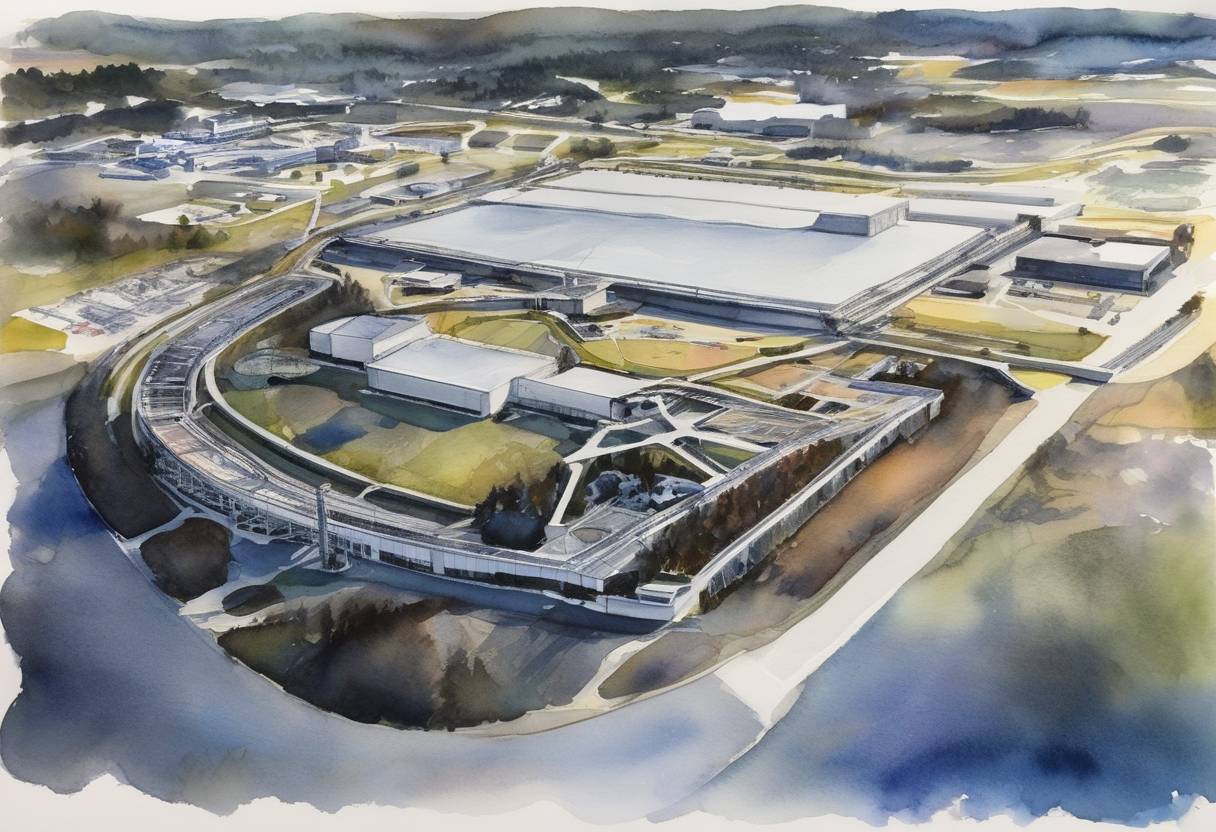
On December 21, 2019, the National Synchrotron Light Source II (NSLS-II) at Brookhaven National Laboratory officially began operations, representing a significant milestone for scientific research in the United States. Located in Upton, New York, NSLS-II is a state-of-the-art synchrotron facility designed to provide advanced capabilities for materials science, physics, chemistry, biology, and environmental science research.
NSLS-II is one of the world’s most advanced synchrotron light sources. It generates extremely bright x-ray, ultraviolet, and infrared light by accelerating electrons to nearly the speed of light. This high-intensity light allows scientists to examine the properties of materials at the atomic scale, leading to advancements in various fields such as energy, health, and environmental technology.
The NSLS-II’s capabilities contribute to breakthroughs in multiple research domains:
The operation of NSLS-II represents a cornerstone in the U.S. strategy to maintain leadership in scientific research and technological innovation. It serves as a hub for collaboration among national and international researchers, enhancing the capability to address global scientific challenges.
By enabling profound insights across numerous scientific domains, NSLS-II not only accelerates research and discovery but also drives economic and technological development. Its inauguration marks a commitment to advancing science for societal benefit and further underscores Brookhaven National Laboratory’s role as a center for transformative research.
Source: www.bnl.gov