The Authorization of Military Force Against Iraq: January 12, 1991
1991 · Washington D.C., United States
The United States Congress authorizes the use of military force to drive Iraq out of Kuwait, leading to the Gulf War.
August 22, 1990
U.S. President George H. W. Bush called for a stronger embargo against Iraq following its invasion of Kuwait, marking a significant escalation in the international response to the Gulf War conflict.
Washington D.C., United States | United Nations
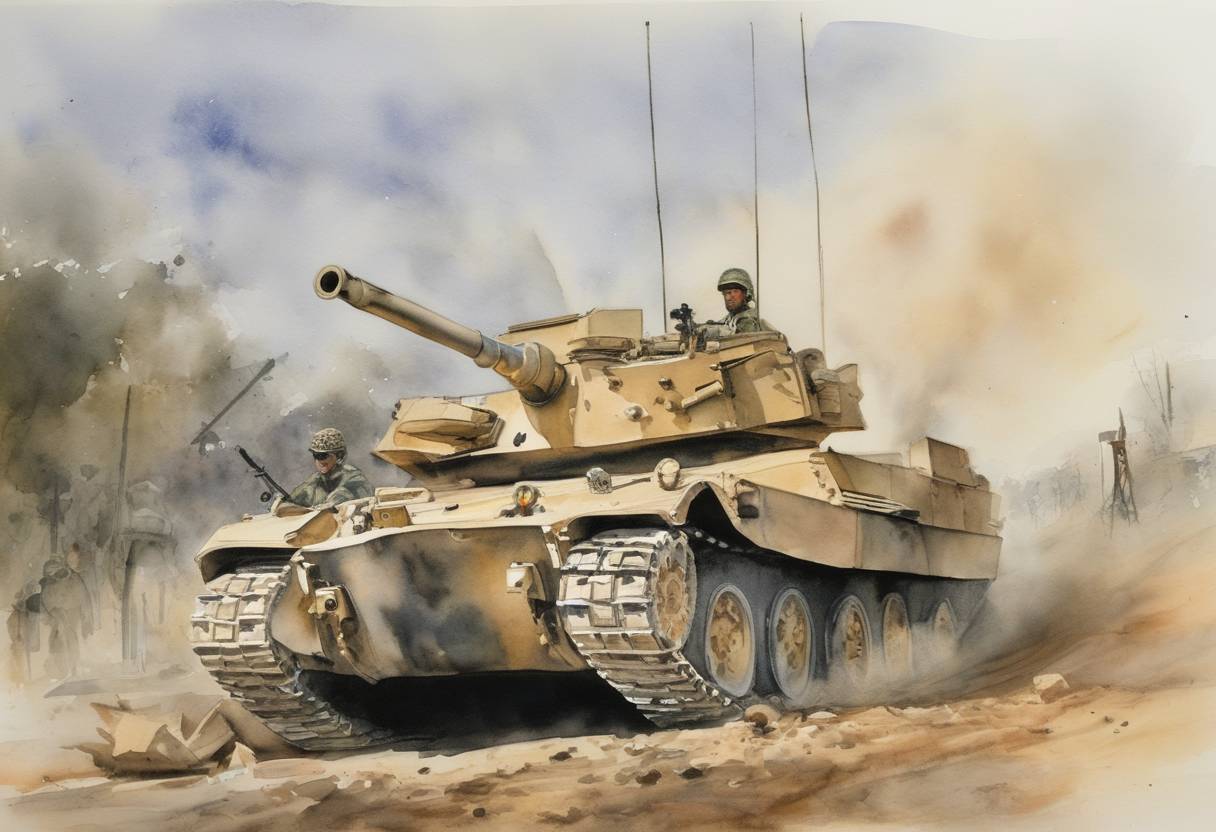
On August 22, 1990, U.S. President George H. W. Bush took a decisive step in the international response to the Gulf War by calling for a more robust embargo against Iraq. This move came in the wake of Iraq’s invasion of Kuwait on August 2, 1990, which had led to rapid international condemnation and mobilization of diplomatic efforts to counter Iraq’s aggression.
The invasion of Kuwait by Iraqi forces under President Saddam Hussein dramatically altered the geopolitical landscape of the Middle East. The international community, led by the United States, sought to compel Iraq to withdraw and restore Kuwait’s sovereignty. Initial responses included sanctions and demands from the United Nations for Iraq’s immediate withdrawal.
On August 22, President Bush addressed the international community with a call to strengthen the existing embargo on Iraq. His administration aimed to put economic pressure on Iraq to withdraw from Kuwait without further military escalation. The call for a stronger embargo was intended to tighten the economic noose around Iraq by halting not only arms and military supplies but also goods that could aid in maintaining its occupation of Kuwait.
President Bush’s appeal reinforced U.S. leadership in the crisis and further isolated Iraq diplomatically. The embargo was part of a series of measures to ensure compliance with United Nations resolutions demanding Iraq’s withdrawal. The Bush administration’s approach demonstrated a commitment to multilateralism and coalition-building, aligning with allies and the United Nations to apply comprehensive pressure.
The call for a stronger embargo was pivotal in shaping the international community’s continued efforts to confront Iraq. While diplomatic and economic sanctions were central to the strategy, they were supplemented later by military options as coalition forces prepared for potential conflict, eventually leading to Operation Desert Storm in January 1991.
The August 22 announcement marked a critical juncture in the Gulf War, showcasing the United States’ resolve to lead and unite international efforts against acts of aggression while navigating a complex period of international diplomacy.
Source: www.history.com