Richard Henry Lee's Resolution for Independence
1776 · Philadelphia, United States
Richard Henry Lee of Virginia proposed to the Continental Congress a resolution calling for independence of the American colonies from Great Britain.
April 12, 1776
The Halifax Resolves are adopted by the North Carolina Provincial Congress, the first formal call for American independence from Britain.
Halifax, United States | North Carolina Provincial Congress
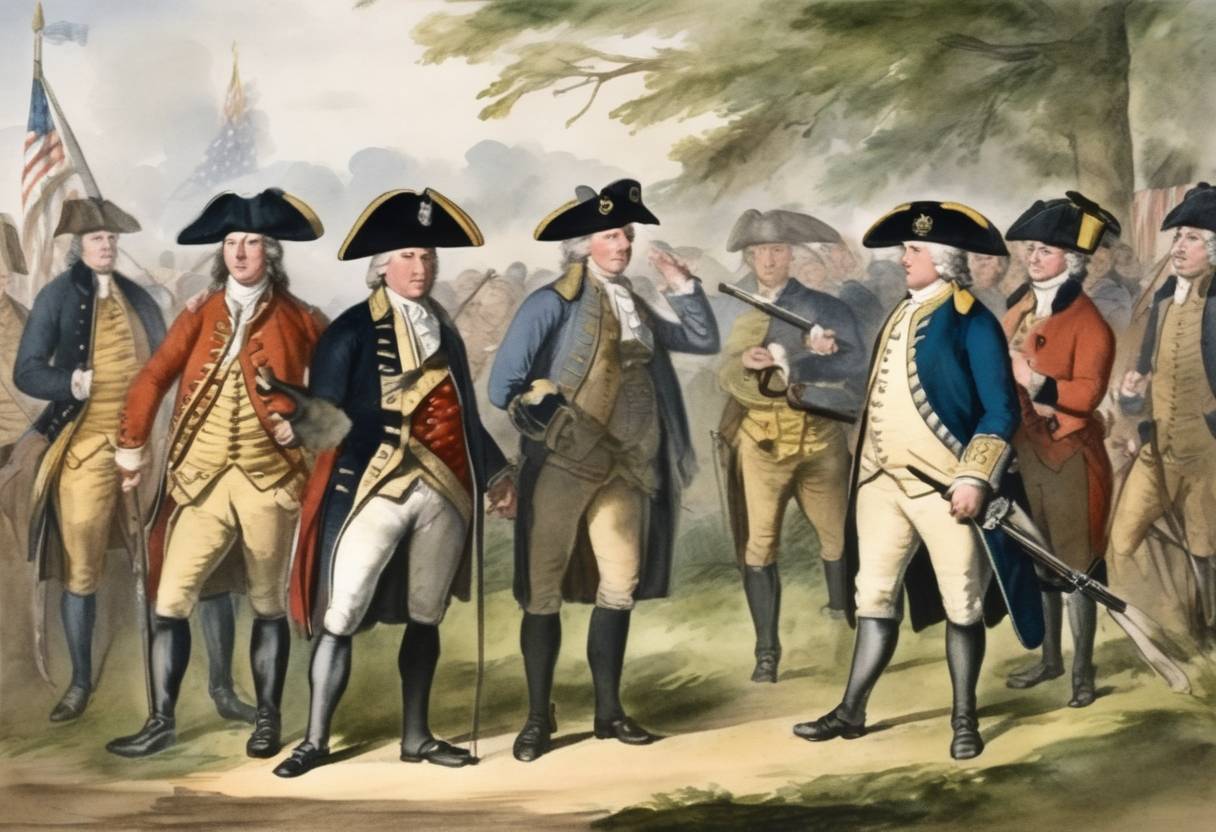
On April 12, 1776, the North Carolina Provincial Congress adopted the Halifax Resolves. This significant event marked the first official action by an American colony to authorize its delegates to vote for independence from Great Britain within the Continental Congress.
By early 1776, tensions between the American colonies and Great Britain had escalated considerably. Events such as the Boston Tea Party, the introduction of the Intolerable Acts, and the skirmishes at Lexington and Concord had propelled the colonies towards a collective desire for greater autonomy. Committees of Safety were established across the colonies, and the Continental Congress had formed to coordinate a unified response against British policies.
In North Carolina, a colony rich with revolutionary sentiment, the Provincial Congress was at the forefront of discussions on independence. Influential figures such as Cornelius Harnett and William Hooper pushed for decisive action.
The Halifax Resolves was introduced and adopted during a meeting of the Fourth Provincial Congress in Halifax, North Carolina. This resolution served as a directive, authorizing North Carolina’s delegates to the Second Continental Congress to join with representatives from other colonies in voting for independence.
The document read, in part, “Resolved, that the delegates for this colony in the Continental Congress be empowered to concur with the delegates of the other colonies in declaring Independency.”
The Halifax Resolves played a crucial role in the path toward American independence. It set a precedent for other colonies to follow suit and provided momentum to the growing independence movement. Within a few months, on July 2, 1776, the Continental Congress voted for independence, leading to the adoption of the Declaration of Independence on July 4, 1776.
The Resolves demonstrated a shift in the political stance of the American colonies from requests for reconciliation to demands for complete independence. This bold step reflected the courage and resolve of the North Carolinian representatives who were among the first to formally advocate for autonomy and self-determination.
The legacy of the Halifax Resolves is commemorated in North Carolina, where April 12 has been celebrated as Halifax Day, recognizing the state’s pivotal role in the birth of a nation.
Source: www.ncpedia.org