Israeli Legislative Election of March 17, 2015
2015 · Jerusalem, Israel
Israel's Likud party, led by Prime Minister Benjamin Netanyahu, won the legislative election, securing his position as Prime Minister.
April 9, 2019
Benjamin Netanyahu wins the Israeli legislative election, securing a record fifth term as Prime Minister of Israel.
Jerusalem, Israel | Likud Party
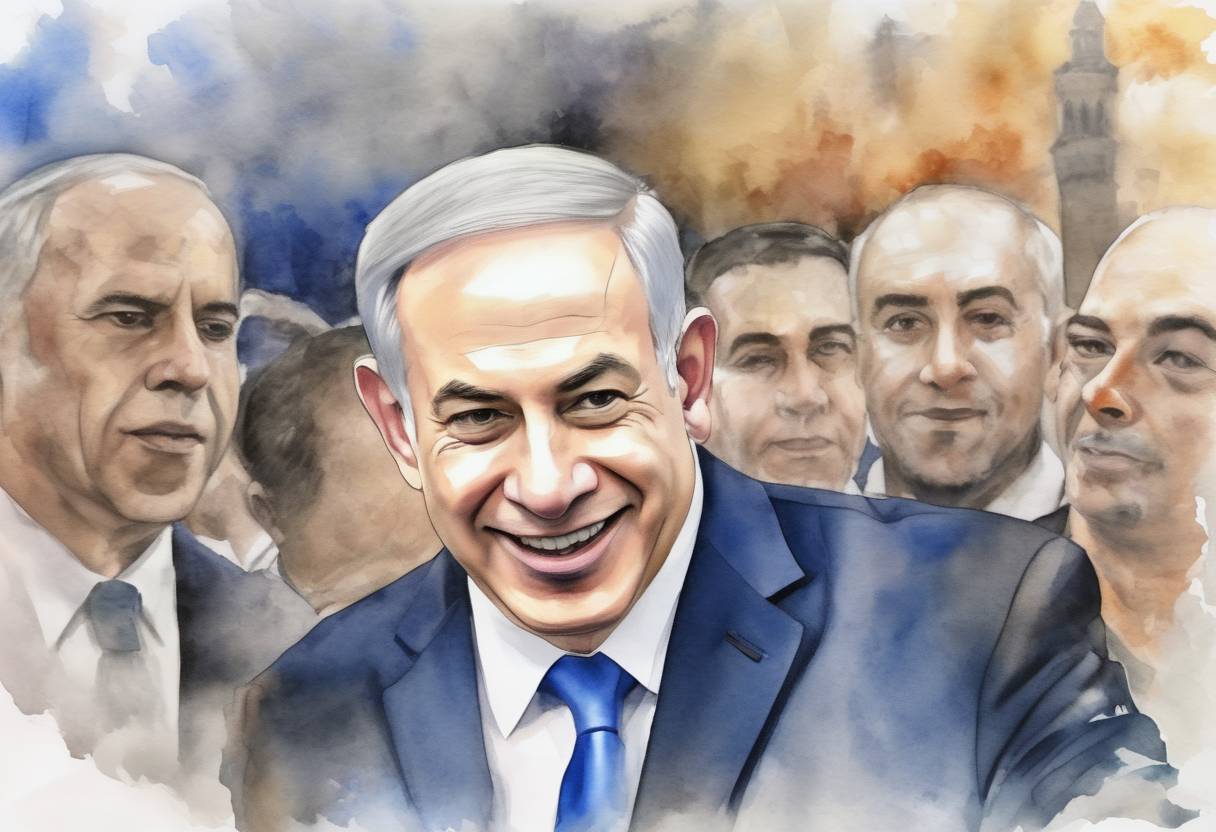
On April 9, 2019, Benjamin Netanyahu secured a record fifth term as the Prime Minister of Israel following the legislative elections. This victory marked a significant moment in Israeli politics, as Netanyahu became the longest-serving prime minister in the country’s history, surpassing the tenure of Israel’s founding leader, David Ben-Gurion.
The 2019 Israeli legislative election was held to elect members of the 21st Knesset. The political landscape at the time was highly polarized, with Netanyahu’s Likud party facing strong competition from the newly formed Blue and White alliance, led by former military chief Benny Gantz. The election was seen as a referendum on Netanyahu’s leadership, particularly in light of ongoing corruption investigations against him.
Formation of Blue and White Alliance: The Blue and White party was established in February 2019 as a centrist political alliance, merging Benny Gantz’s Israel Resilience Party with Yair Lapid’s Yesh Atid party. This coalition aimed to challenge Netanyahu’s long-standing dominance in Israeli politics.
Corruption Allegations: Netanyahu faced several corruption investigations, which became a central issue during the campaign. Despite these allegations, he maintained strong support among right-wing and religious voters.
Security and Diplomatic Achievements: Netanyahu’s campaign emphasized his achievements in security and foreign policy, including strong ties with the United States under President Donald Trump, who had recently recognized Jerusalem as Israel’s capital and the Golan Heights as Israeli territory.
The election results were closely contested, with both Likud and Blue and White winning 35 seats each in the 120-seat Knesset. However, Netanyahu was able to secure a majority coalition by aligning with right-wing and religious parties, giving him the necessary support to form a government.
Coalition Building: Netanyahu’s ability to form a coalition government was crucial in securing his fifth term. His alliances with smaller right-wing and religious parties were instrumental in maintaining his leadership position.
Political Challenges: Despite his victory, Netanyahu faced ongoing political challenges, including the corruption investigations and the need to maintain a stable coalition amidst a fragmented political landscape.
Impact on Israeli Politics: Netanyahu’s win reinforced his influence in Israeli politics and highlighted the deep divisions within the country. His leadership style and policies continued to shape Israel’s domestic and international agenda.
Netanyahu’s fifth term underscored the complexities of Israeli politics, marked by a blend of security concerns, diplomatic achievements, and internal political dynamics. His tenure has had lasting implications for Israel’s political landscape, influencing both domestic policies and international relations.
In summary, Benjamin Netanyahu’s victory in the 2019 Israeli legislative election was a pivotal moment in Israeli history, reflecting both his enduring political acumen and the challenges facing the nation.
Source: www.bbc.com