The Bahraini Uprising: February 14, 2011
2011 · Manama, Bahrain
The Bahraini uprising began as part of the wider Arab Spring protests, with demonstrators demanding political reforms and greater freedoms.
August 14, 1971
Bahrain declared its independence from the United Kingdom.
Manama, Bahrain
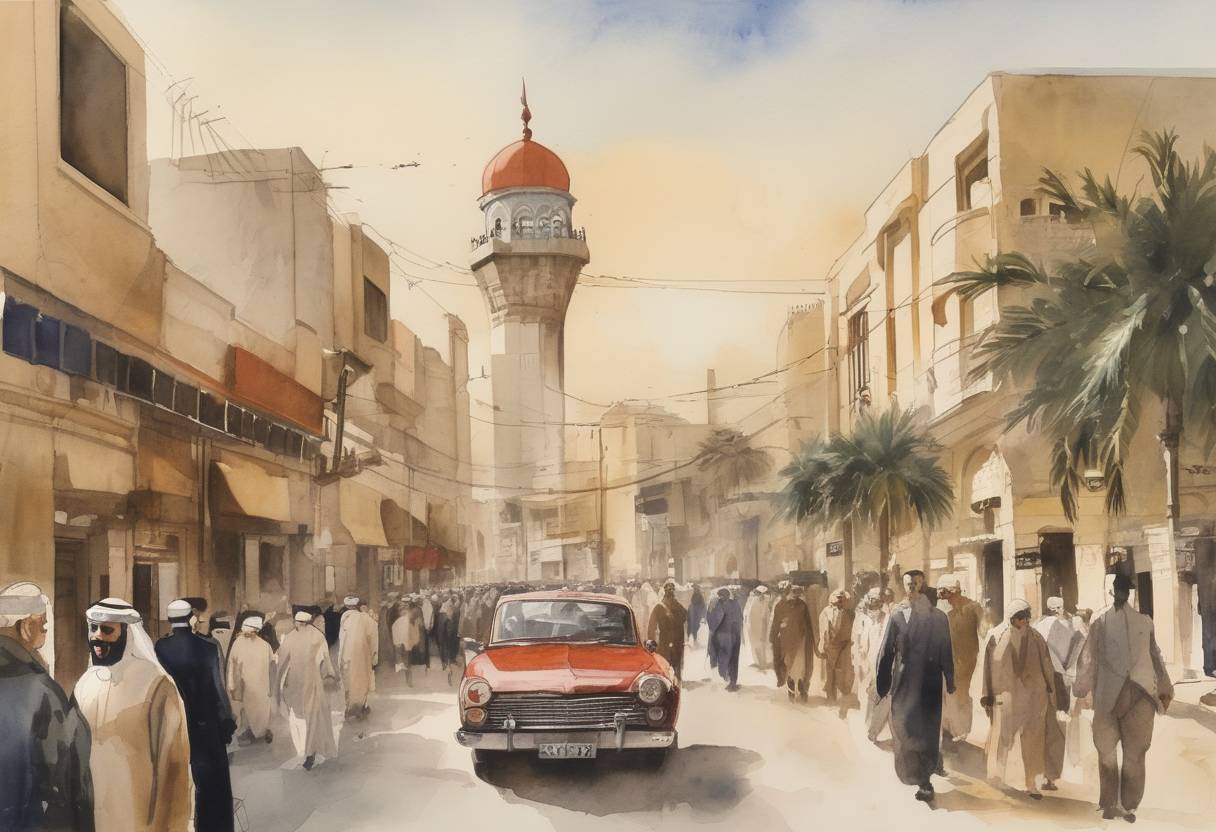
On August 14, 1971, Bahrain declared its independence from the United Kingdom, marking a significant moment in the island nation’s history. This event was the culmination of a series of political developments and negotiations that reflected the broader decolonization movements occurring globally during the mid-20th century.
Bahrain, an archipelago in the Persian Gulf, had been under British influence since the 19th century. The British established a protectorate over Bahrain in 1861, formalized through various treaties that granted Britain control over Bahrain’s defense and foreign affairs. This arrangement was part of Britain’s broader strategic interests in the Gulf region, primarily to secure trade routes and counter other colonial powers.
The movement towards independence was influenced by several factors:
Regional Nationalism: The wave of Arab nationalism and the decolonization movements across the Middle East and Africa inspired Bahrainis to seek greater autonomy.
Economic Changes: The discovery of oil in the 1930s transformed Bahrain’s economy, increasing its strategic importance and providing the financial means to support an independent state.
British Policy Shift: By the late 1960s, Britain was reevaluating its military and political commitments east of the Suez Canal due to economic constraints and changing global dynamics. In 1968, Britain announced its intention to withdraw its forces from the Gulf by the end of 1971.
UN Involvement: In 1970, the United Nations conducted a survey to ascertain the wishes of the Bahraini people regarding independence. The survey concluded that the majority favored independence over Iranian claims to the territory.
On August 14, 1971, Bahrain declared its independence, and the British protectorate officially ended. Shortly thereafter, on August 15, the British Residency in the Persian Gulf was closed. Bahrain’s independence was formally recognized by the United Nations and other international bodies.
Following independence, Bahrain established itself as a sovereign state with a constitutional monarchy. Sheikh Isa bin Salman Al Khalifa became the first Emir of Bahrain, and the country joined the Arab League and the United Nations in 1971.
Bahrain’s independence was part of the larger trend of decolonization that reshaped the geopolitical landscape of the 20th century. It marked the end of British colonial influence in the Gulf and set the stage for Bahrain’s development as a modern state. The country has since played a strategic role in regional politics and economics, leveraging its oil wealth and strategic location.
Bahrain’s journey to independence is a testament to the global shifts in power and the enduring quest for self-determination that characterized the post-World War II era.
Source: www.britannica.com