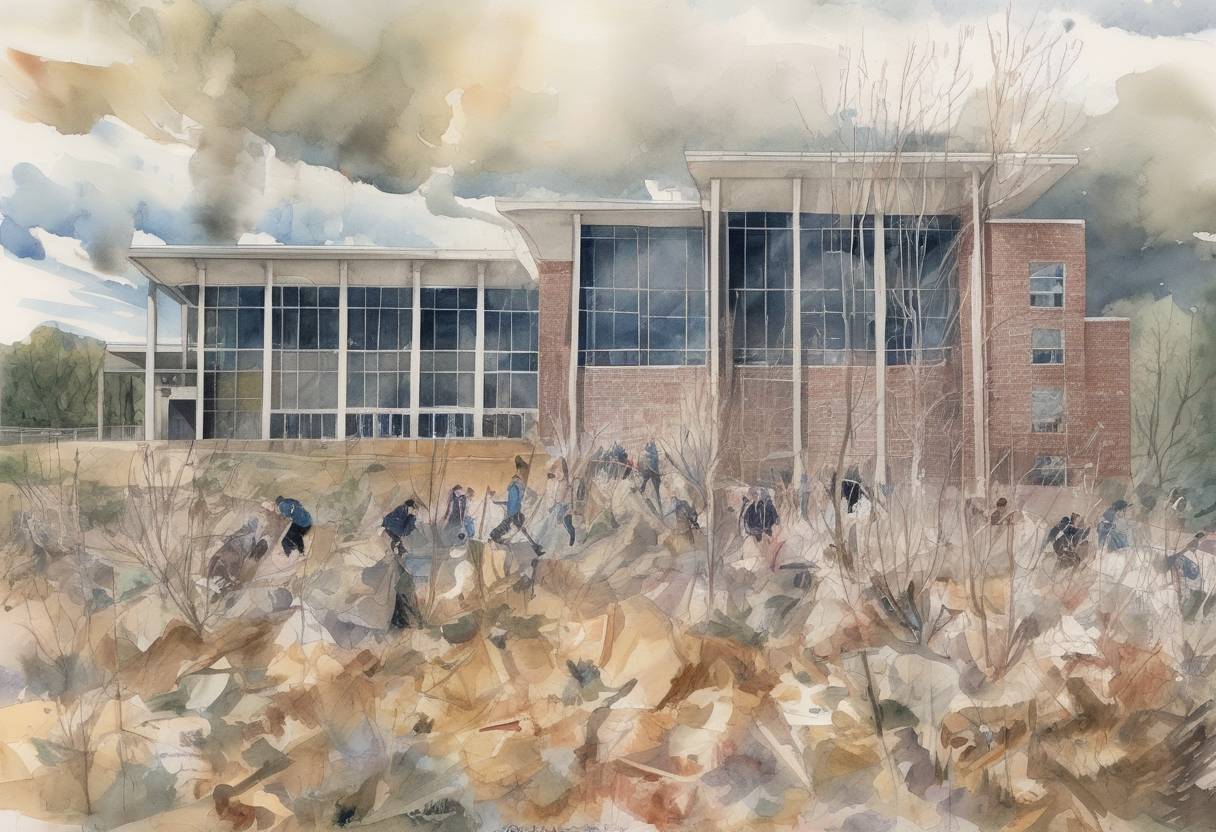
The Columbine High School Massacre
Overview
On April 20, 1999, a tragic event unfolded at Columbine High School in Littleton, Colorado, when two senior students, Eric Harris and Dylan Klebold, carried out a meticulously planned attack. The massacre resulted in the deaths of 13 individuals and left more than 20 others wounded before the perpetrators took their own lives. This event marked one of the deadliest school shootings in U.S. history at the time and had profound implications on school safety, gun control debates, and the understanding of adolescent violence.
Background
Eric Harris and Dylan Klebold were both seniors at Columbine High School. Over a year before the attack, they began planning the massacre, documenting their intentions in journals and videos. They acquired firearms and constructed homemade explosives, intending to cause maximum casualties.
The Attack
The attack began around 11:19 AM when Harris and Klebold entered the school armed with firearms and explosives. They initially set off bombs in the cafeteria, which failed to detonate as planned. The perpetrators then moved through the school, targeting students and teachers indiscriminately. The violence lasted approximately 49 minutes, during which they killed 12 students and one teacher, and injured over 20 others. The attack ended with Harris and Klebold committing suicide in the school library.
The Columbine massacre shocked the nation and the world, leading to intense media coverage and public discourse. In the immediate aftermath, there was widespread mourning and a search for answers as to how such an event could occur. The incident prompted schools across the country to reevaluate their security measures and emergency response protocols.
Broader Impact
School Safety and Policies: The massacre led to significant changes in school safety policies, including the implementation of zero-tolerance policies, increased security measures, and the introduction of active shooter drills.
Gun Control Debate: Columbine reignited the national debate over gun control, with discussions focusing on the accessibility of firearms to minors and the need for stricter regulations.
Cultural Reflections: The event prompted a deeper examination of youth culture, bullying, and the influence of media and video games on adolescent behavior.
Mental Health Awareness: There was increased attention on mental health issues among teenagers, emphasizing the importance of early intervention and support systems.
Conclusion
The Columbine High School massacre remains a pivotal moment in American history, influencing policy, culture, and the national conversation on violence and safety in schools. It serves as a somber reminder of the need for vigilance, compassion, and proactive measures to prevent such tragedies in the future.