The Official Ban on Slave Importation: January 1, 1808
1808 · Washington D.C., United States
The importation of slaves into the United States was officially banned, in accordance with the Act Prohibiting Importation of Slaves enacted in 1807.
June 13, 1948
The Women’s Armed Services Integration Act became law, allowing women to serve as permanent, regular members of the United States armed forces.
Washington D.C., United States | United States Congress
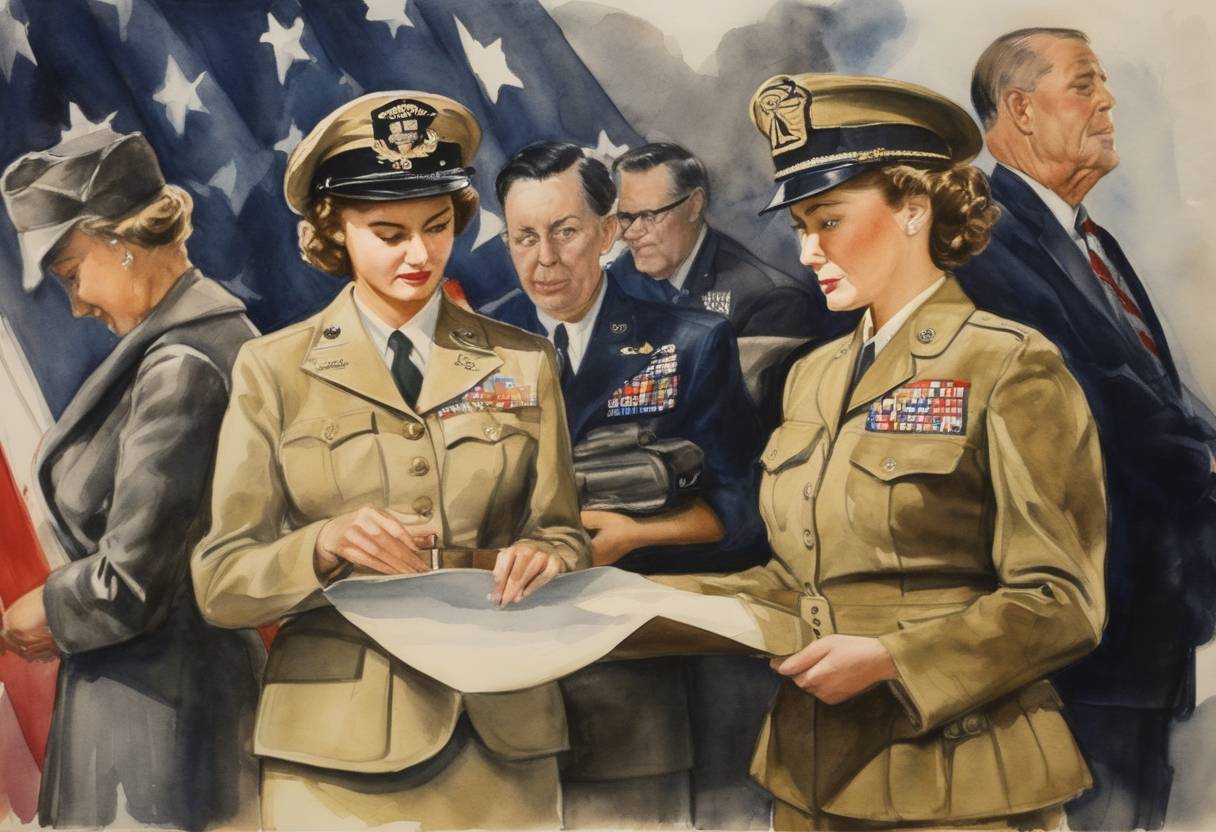
The Women’s Armed Services Integration Act, signed into law by President Harry S. Truman on June 12, 1948, was a landmark piece of legislation that granted women the right to serve as permanent, regular members of the United States armed forces. This act marked a significant change in military policy and the role of women in the military, establishing the framework for women to serve in peace and wartime roles alongside their male counterparts.
During World War II, women served in the armed forces temporarily through special programs such as the Women’s Army Corps (WAC), Women Accepted for Volunteer Emergency Service (WAVES) in the Navy, and similar programs in the Air Force and Coast Guard. These roles were considered temporary and were expected to be disbanded once the war ended.
Permanent Status: The act officially integrated women into the regular and reserve components of the Army, Navy, Marine Corps, and Air Force, thereby granting them a permanent status that was not dependent on wartime needs.
Commissioned Officers and Enlisted Personnel: Women could now be commissioned officers and enlisted personnel, with certain limitations on numbers and ranks compared to their male counterparts.
Leadership Opportunities: While the act opened up many roles, women were still excluded from combat positions; however, it provided greater access to leadership roles within the non-combat areas they were permitted to serve.
Quotas and Restrictions: Initial implementation included limitations on the number of women who could serve, capped at 2% of total military strength, and restricted women to no higher rank than colonel or its equivalent.
The passage of the Women’s Armed Services Integration Act was a crucial step toward gender equality in the U.S. military. It recognized the contributions women had already made during World War II and paved the way for broader inclusion and an evolving role for women in the armed forces. Over time, this act laid the groundwork for subsequent policy changes that further integrated women into various military roles and ultimately combat positions.
This legislation initiated a gradual transformation of the military’s gender dynamics and set a precedent for the continued advancement of women’s rights and roles within the United States armed services and beyond.
Source: en.wikipedia.org