Vladimir Putin's Return to the Presidency: March 4, 2012
2012 · Moscow, Russia
Vladimir Putin won the Russian presidential election, marking his return to the presidency after serving as Prime Minister.
January 18, 2021
Protests occurred across Russia against the detention of opposition leader Alexei Navalny following his return to the country from Germany, where he had been recovering from a poisoning attempt.
Moscow, Russia | Russian government
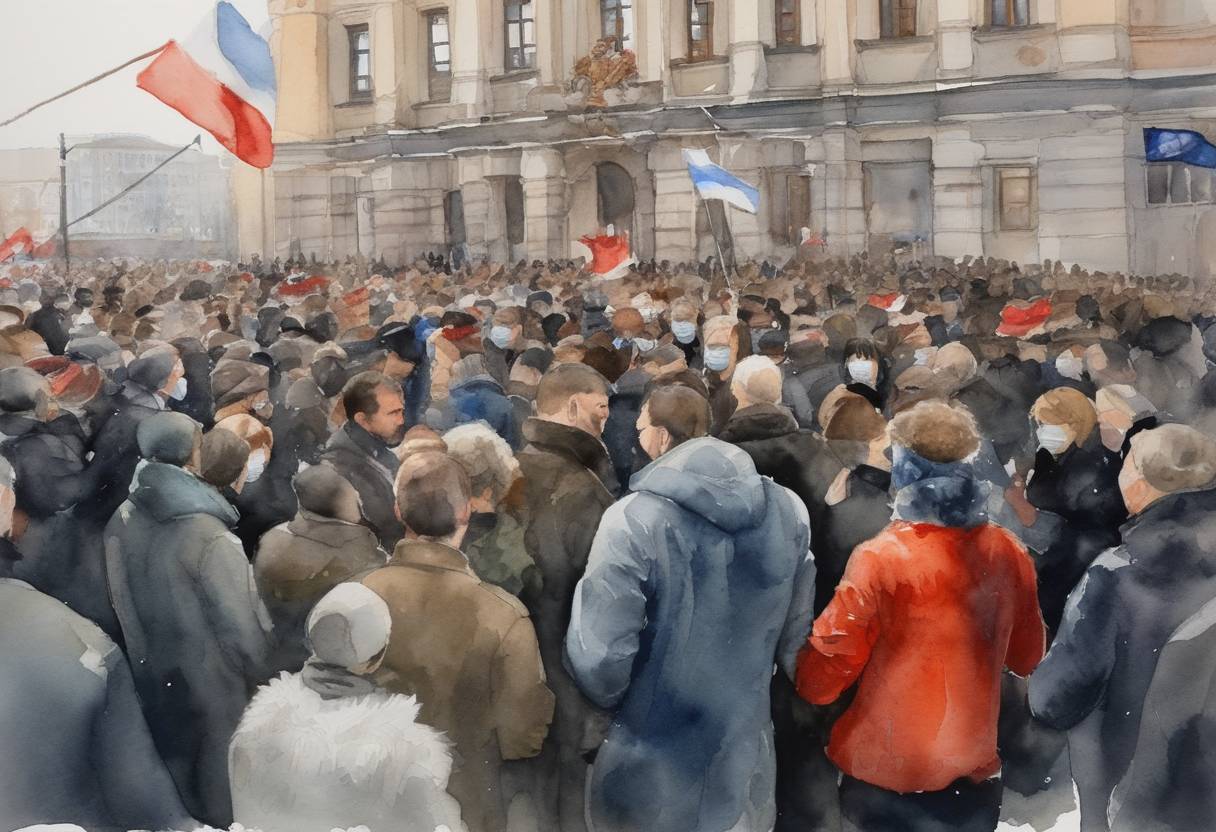
On January 18, 2021, widespread protests erupted across Russia in response to the detention of opposition leader Alexei Navalny. Navalny, who had recently returned to Russia from Germany after recovering from a poisoning attempt blamed on the Russian government, was arrested upon arrival at Moscow’s Sheremetyevo International Airport on January 17.
Alexei Navalny, a key critic of Russian President Vladimir Putin, was poisoned on August 20, 2020, with a nerve agent from the Novichok group. He fell ill during a flight from Tomsk to Moscow and was initially treated in Omsk before being transferred to Berlin, Germany, for further treatment. The incident drew international condemnation and heightened tensions between Russia and the West.
Upon Navalny’s return to Russia, authorities arrested him on accusations of violating parole terms from a 2014 embezzlement conviction. Critics argue that the parole violations were politically motivated and unjust, as they occurred while Navalny was receiving life-saving medical treatment in Germany.
Motivation: Navalny’s arrest was perceived as a blatant example of government repression against dissent, rallying his supporters and various human rights activists across the country.
Scale: Protests were widespread, occurring in numerous Russian cities, including Moscow, St. Petersburg, and Yekaterinburg. The demonstrations were notable for their large turnout despite frigid temperatures and the apparent threat of arrest by authorities.
Government Response: The police response was swift and severe. Thousands of protesters were reportedly detained during the protests, and there were reports of police violence against demonstrators.
International Impact: Navalny’s arrest and the subsequent protests attracted significant international attention. Western governments condemned his detention and called for his immediate release, aggravating already strained relations with Russia.
Domestic Repercussions: These events invigorated the Russian opposition movement, turning Alexei Navalny into a symbol of resistance against President Putin’s administration. The protests signaled a burgeoning frustration within segments of the Russian populace towards the perceived injustices and systemic corruption.
The January 18 protests were a pivotal moment in Russian political history, highlighting authoritarian governance trends and the resilience of opposition movements. Navalny’s enduring influence and the resolve of his supporters continued to pose challenges to the Russian authorities, drawing global scrutiny and domestic defiance against state repression.
Source: www.bbc.com