The Exile of Mohammad Reza Pahlavi: January 16, 1979
1979 · Tehran, Iran
The Shah of Iran, Mohammad Reza Pahlavi, left Iran for exile, marking a pivotal moment in the Iranian Revolution.
March 21, 1935
The Shah of Iran, Reza Shah Pahlavi, formally asked the international community to refer to the country as Iran instead of Persia, a move he initiated to foster a sense of nationalism and emphasize the country's historical legacy.
Tehran, Iran | Iranian Government
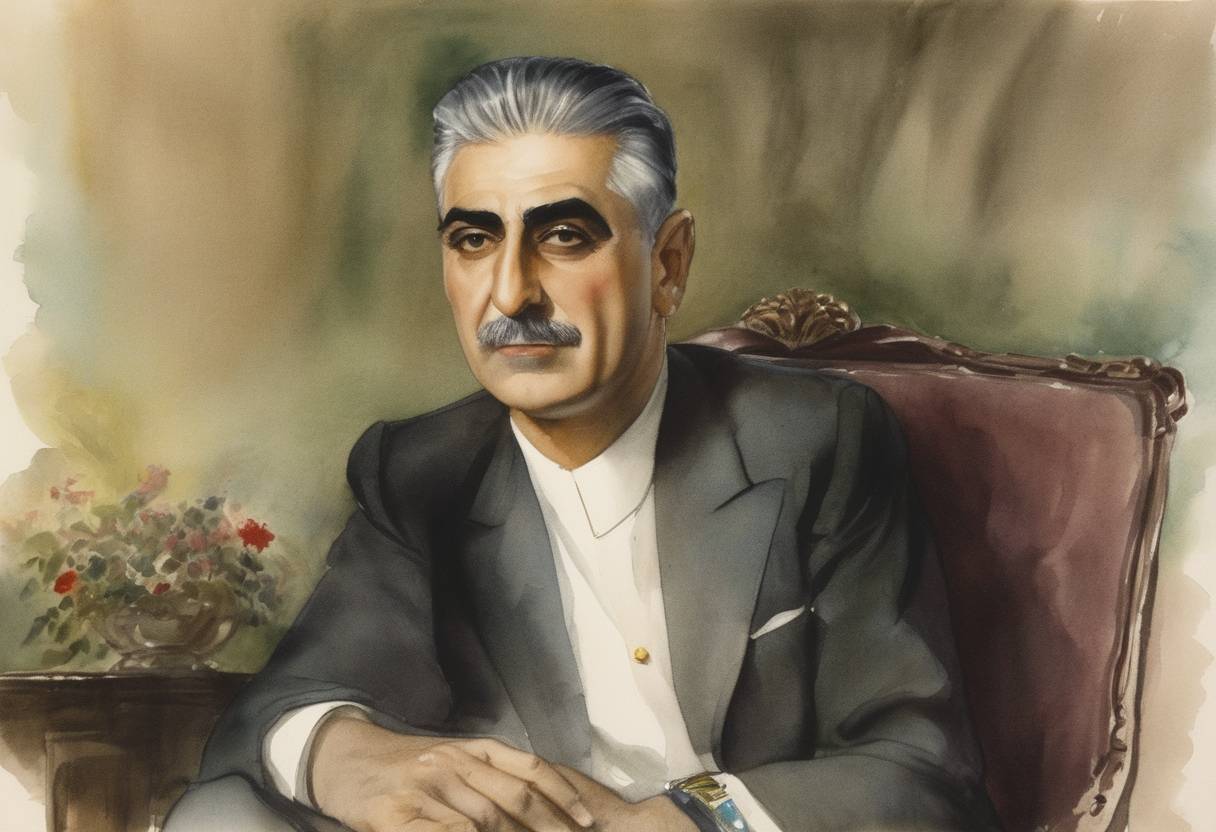
On March 21, 1935, Reza Shah Pahlavi, the Shah of Iran, formally requested that the international community recognize the country as “Iran” instead of “Persia.” This directive was aimed at supporting nationalistic goals and returning to the historical identity of the nation.
Before 1935, the country was internationally known as Persia, a name derived from the region of Pars (or Fars) in southern Iran and prominently used by Western countries. However, for the Iranian people, “Iran” had been the native name for centuries, rooted in the term “Aryānām,” meaning “Land of the Aryans,” a reference to the Proto-Indo-Iranian roots of its inhabitants.
Reza Shah, who became Shah in 1925, was actively engaged in a series of modernizing reforms, which included both industrialization and cultural rejuvenation efforts. By promoting the name “Iran,” he sought to emphasize cultural cohesion and the pre-Islamic heritage of the nation. The change also served to align the country more with its historical narrative of Aryan ancestry and unity during a time when nationalism was sweeping through many parts of the world.
The decision was met with mixed reactions internationally; some countries quickly adopted the new nomenclature in diplomatic discussions and treaties, while others initially persisted in using “Persia.” Among scholars and the general public, there was initial confusion, with many perceiving the two names as interchangeable. However, over time, “Iran” became the standard international term.
Domestically, this move was part of a broader campaign to modernize and secularize Iran, balancing the traditional Islamic character with modernization ideals. The name change has endured into contemporary times, reinforcing the nation’s unique identity and sovereignty.
Reza Shah’s era, marked by significant reform, left a complex legacy. While he was instrumental in shaping the modern state’s trajectory, his centralization of power and authoritarian methods would also lay groundwork for both praise and criticism in Iranian history.
Source: en.wikipedia.org