1996 · Cape Canaveral, United States
NASA launched the Mars Pathfinder, a mission that included the first successful deployment of a rover on Mars, which laid the foundation for future Mars exploration missions.
May 30, 1971
Mariner 9, a NASA spacecraft, was launched to Mars. It became the first spacecraft to orbit another planet, providing detailed images and data about the Martian surface and atmosphere.
Cape Canaveral, United States | NASA
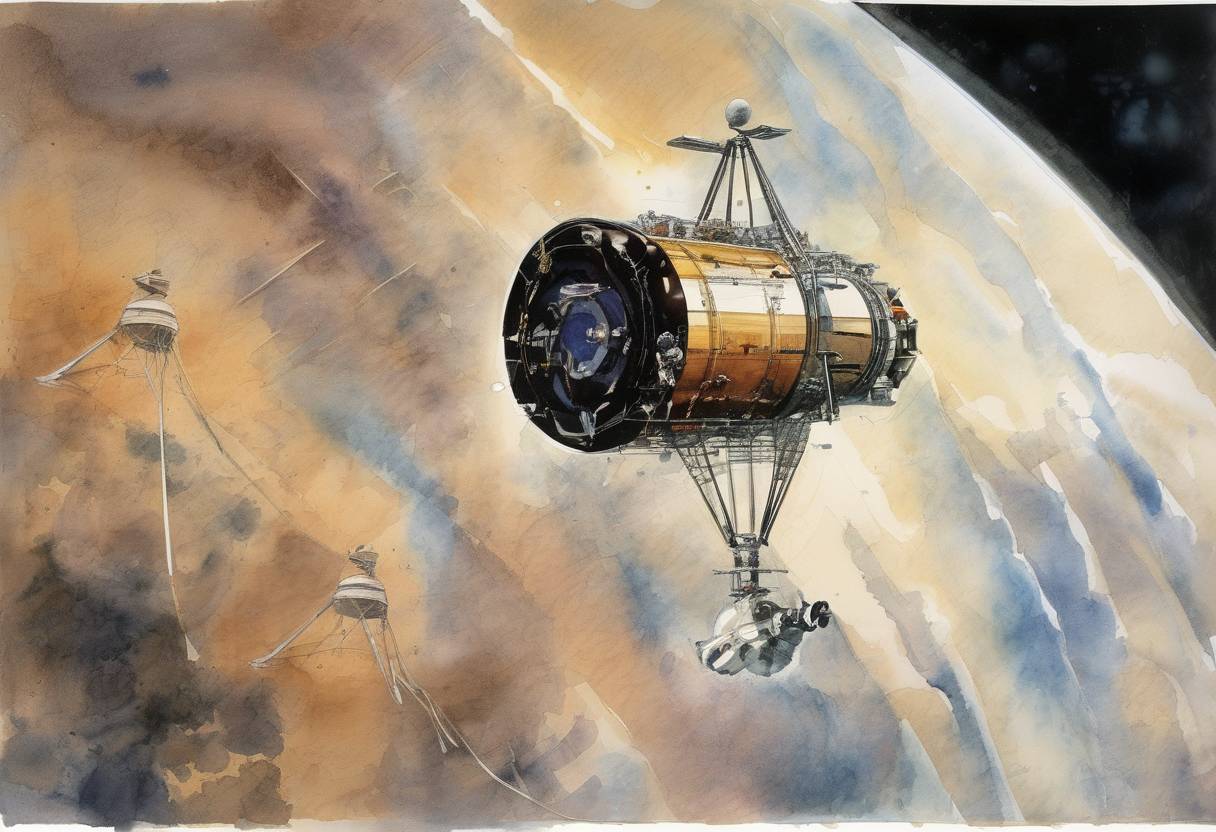
On May 30, 1971, NASA launched Mariner 9, a groundbreaking spacecraft that marked a significant milestone in space exploration. As part of NASA’s Mariner program, Mariner 9 was designed to study Mars and became the first spacecraft to successfully orbit another planet, providing unprecedented insights into the Martian environment.
The primary objectives of the Mariner 9 mission included:
Mariner 9 was launched from Cape Canaveral, Florida, aboard an Atlas-Centaur rocket. After a journey of approximately 167 days, it entered orbit around Mars on November 14, 1971. This achievement was particularly notable as it occurred amidst a global dust storm on Mars, which initially obscured the planet’s surface.
Despite the challenging conditions, Mariner 9’s mission was a resounding success, yielding several significant discoveries:
Mariner 9’s successful mission represented a major leap forward in planetary exploration. It set the stage for future missions to Mars, providing a foundation for understanding the planet’s geology and climate. The data collected by Mariner 9 continues to inform scientific research and exploration strategies.
The mission’s success paved the way for subsequent Mars missions, including the Viking landers and the Mars rovers. Mariner 9’s achievements demonstrated the feasibility of orbiting and studying other planets, inspiring continued exploration of the solar system.
In summary, Mariner 9’s launch and mission were pivotal moments in space exploration history, expanding our knowledge of Mars and laying the groundwork for future discoveries.
Source: en.wikipedia.org