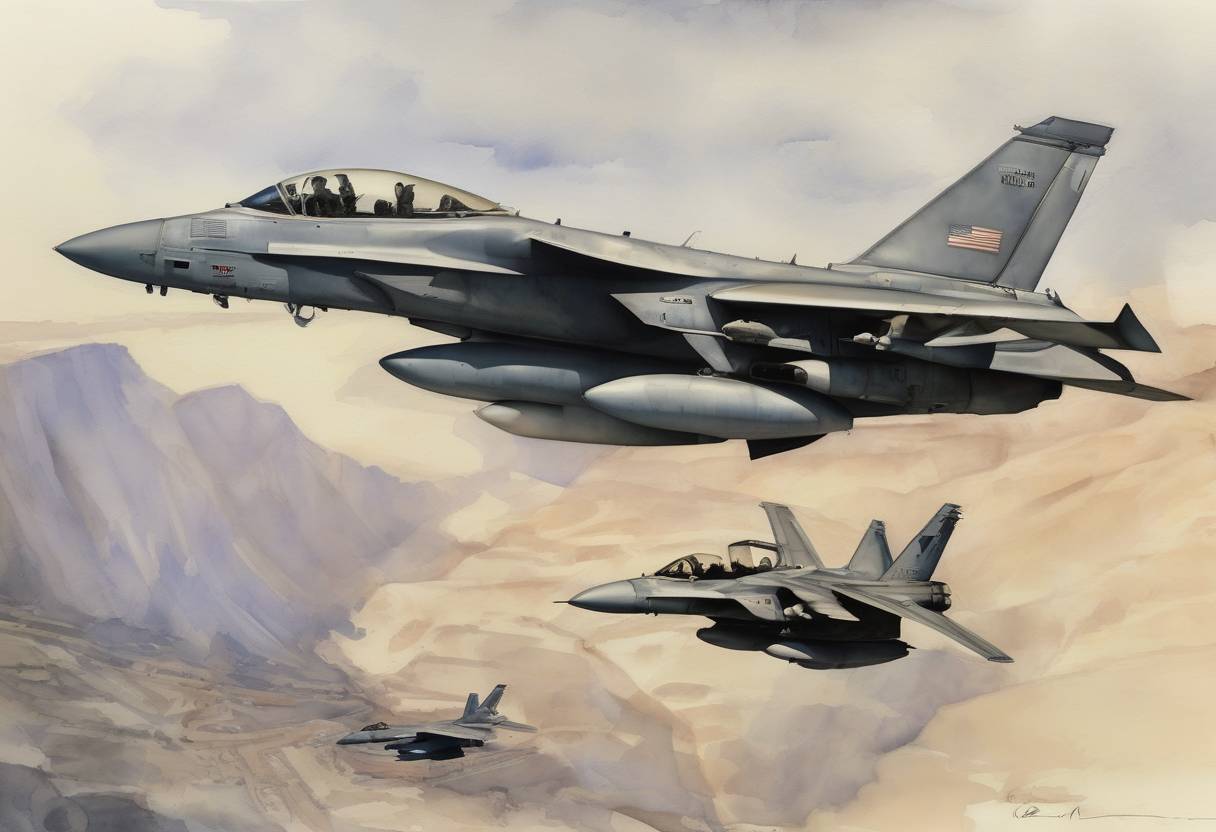
End of Combat Operations in Iraq: Operation New Dawn
On August 31, 2010, U.S. President Barack Obama announced the official end of combat operations in Iraq, marking a significant transition in the U.S. military’s role in the country. This shift was part of a broader strategy to transition from combat to stability operations, known as Operation New Dawn.
Context and Background
- Iraq War Initiation: The Iraq War began in March 2003 with the U.S.-led invasion aimed at toppling the regime of Saddam Hussein, under the pretext of eliminating weapons of mass destruction and ending Hussein’s support for terrorism.
- Prolonged Conflict: The initial invasion quickly led to the fall of Baghdad, but the subsequent years were marked by intense insurgency, sectarian violence, and political instability.
- Surge and Stabilization: In 2007, a surge of U.S. troops helped to reduce violence and stabilize certain regions, but the conflict remained a contentious issue domestically and internationally.
Key Aspects of the Announcement
- Operation New Dawn: The transition to Operation New Dawn signified a shift from combat operations to a focus on advising, assisting, and training Iraqi security forces. The operation aimed to support the Iraqi government in maintaining security and stability.
- Troop Reduction: By the time of the announcement, U.S. troop levels in Iraq had been reduced to approximately 50,000, down from a peak of around 170,000 during the surge.
- Political Implications: The announcement fulfilled a campaign promise by President Obama to end the war in Iraq responsibly and to refocus U.S. efforts on rebuilding and stabilizing the region.
Aftermath and Consequences
- Iraqi Sovereignty: The end of combat operations was intended to reinforce Iraqi sovereignty and encourage the Iraqi government to take greater responsibility for the country’s security.
- Continued Challenges: Despite the transition, Iraq continued to face significant challenges, including political instability, sectarian tensions, and the emergence of extremist groups like ISIS in subsequent years.
- U.S. Military Presence: Although combat operations ended, U.S. military personnel remained in Iraq to provide support and training, reflecting ongoing security concerns and the complexity of the region’s dynamics.
Broader Historical Significance
- U.S. Foreign Policy: The end of combat operations in Iraq marked a pivotal moment in U.S. foreign policy, reflecting a shift towards disengagement from prolonged military conflicts in the Middle East.
- Legacy of the Iraq War: The war’s legacy continues to influence U.S. military strategy, international relations, and domestic politics, with ongoing debates about its justification, execution, and long-term impact.
President Obama’s announcement on August 31, 2010, was a critical juncture in the Iraq War, symbolizing a move towards a new phase in U.S.-Iraq relations and highlighting the complexities of post-conflict reconstruction and stabilization.