The First Assembly of the League of Nations: November 15, 1920
1920 · Geneva, Switzerland
The League of Nations holds its first assembly in Geneva, Switzerland, marking the first international organization aimed at maintaining world peace.
October 25, 1920
The League of Nations moved its headquarters to Geneva, Switzerland, marking a significant step in its efforts to maintain world peace after World War I.
Geneva, Switzerland | League of Nations
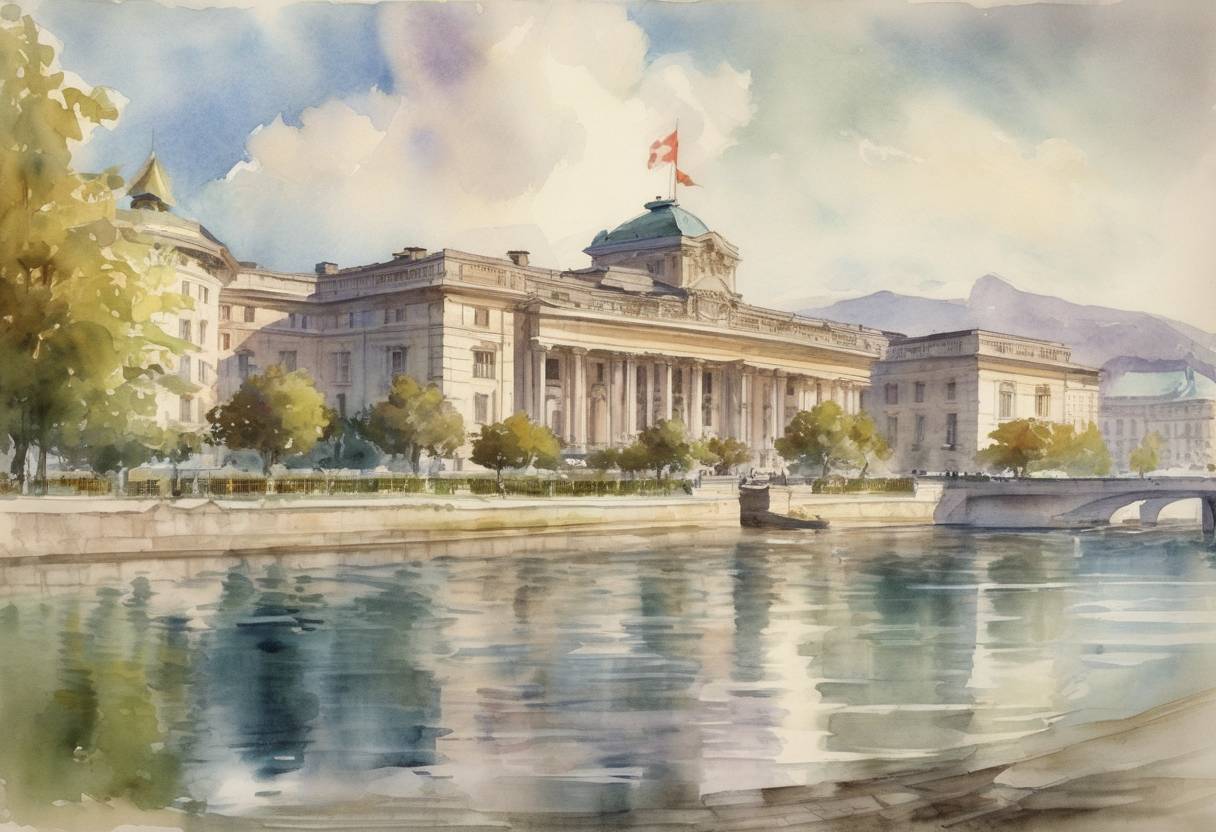
On October 25, 1920, the League of Nations officially moved its headquarters to Geneva, Switzerland. This relocation marked a pivotal moment in the League’s mission to foster international cooperation and maintain world peace following the devastation of World War I.
The League of Nations was established as part of the Treaty of Versailles in 1919, which formally ended World War I. The League was conceived as an international organization aimed at preventing future conflicts through diplomacy, collective security, and disarmament. It was the brainchild of U.S. President Woodrow Wilson, who envisioned it as a cornerstone of a new world order based on mutual cooperation and dialogue.
Geneva was chosen as the League’s headquarters for several reasons:
The move to Geneva symbolized the League’s transition from a theoretical construct to a functioning entity. The Palais Wilson, named after President Wilson, served as the League’s first headquarters. This relocation was accompanied by the establishment of various committees and agencies tasked with addressing global issues such as health, labor, and refugees.
The League of Nations’ presence in Geneva had several significant implications:
While the League of Nations ultimately failed to prevent another world war, its establishment and operations laid the groundwork for modern international diplomacy and cooperation. The lessons learned from its shortcomings informed the creation of the United Nations in 1945, which sought to address the League’s weaknesses and build a more robust framework for global peace and security.
In summary, the League of Nations’ move to Geneva on October 25, 1920, was a significant step in the early 20th-century efforts to create a stable and peaceful international order. Despite its eventual dissolution, the League’s legacy continues to influence global governance and international relations today.
Source: en.wikipedia.org