Sriwijaya Air Flight 182 Crash - January 9, 2021
2021 · Jakarta, Indonesia
A Boeing 737-500 of Sriwijaya Air crashed into the Java Sea shortly after takeoff from Jakarta, Indonesia, killing all 62 people on board.
March 10, 2019
Ethiopian Airlines Flight 302, a Boeing 737 MAX 8, crashed shortly after takeoff from Addis Ababa, Ethiopia, killing all 157 people on board. This incident led to the global grounding of the Boeing 737 MAX fleet.
Addis Ababa, Ethiopia | Ethiopian Airlines
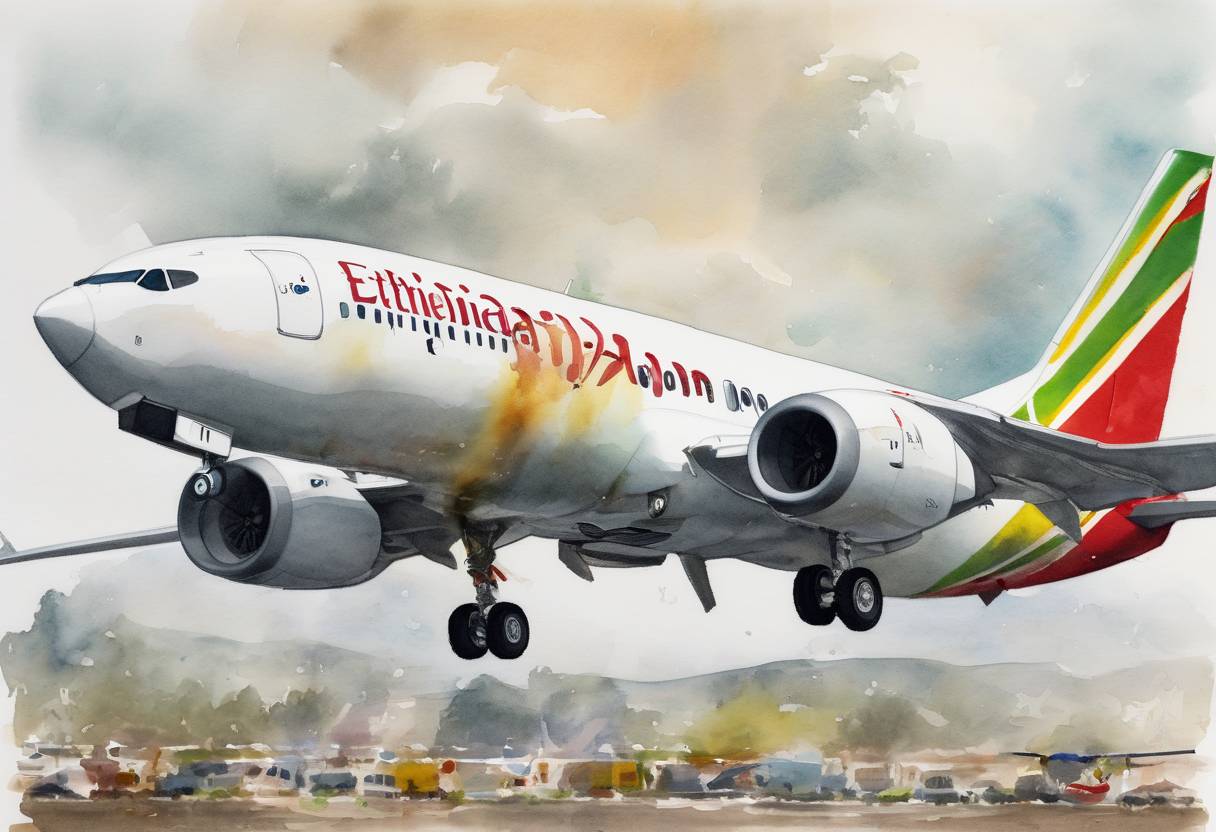
On March 10, 2019, Ethiopian Airlines Flight 302, a Boeing 737 MAX 8, tragically crashed shortly after takeoff from Addis Ababa Bole International Airport in Ethiopia. The flight was en route to Jomo Kenyatta International Airport in Nairobi, Kenya. All 157 people on board, including passengers and crew from over 30 different countries, lost their lives in this devastating incident.
The investigation into the crash revealed that the Maneuvering Characteristics Augmentation System (MCAS), a flight control system designed to prevent stalls, was activated erroneously due to faulty sensor data. This system repeatedly forced the plane’s nose down, despite the pilots’ efforts to regain control.
The Ethiopian Airlines Flight 302 crash had significant implications for the aviation industry, highlighting the critical importance of software reliability and pilot training in modern aircraft. It also underscored the need for transparency and accountability in aircraft manufacturing and regulatory practices. The grounding of the 737 MAX fleet marked one of the most extensive aviation groundings in history, affecting airlines and passengers worldwide.
The tragedy served as a somber reminder of the potential consequences of technological failures and the ongoing need for rigorous safety standards in aviation.
Source: www.bbc.com