The Ousting of Prosper Avril in Haiti - March 10, 1990
1990 · Port-au-Prince, Haiti
In Haiti, Prosper Avril is ousted 18 months after seizing power in a coup.
February 29, 2004
Jean-Bertrand Aristide, the President of Haiti, was ousted from power and fled the country amid a rebellion and political crisis.
Port-au-Prince, Haiti | Haitian Government
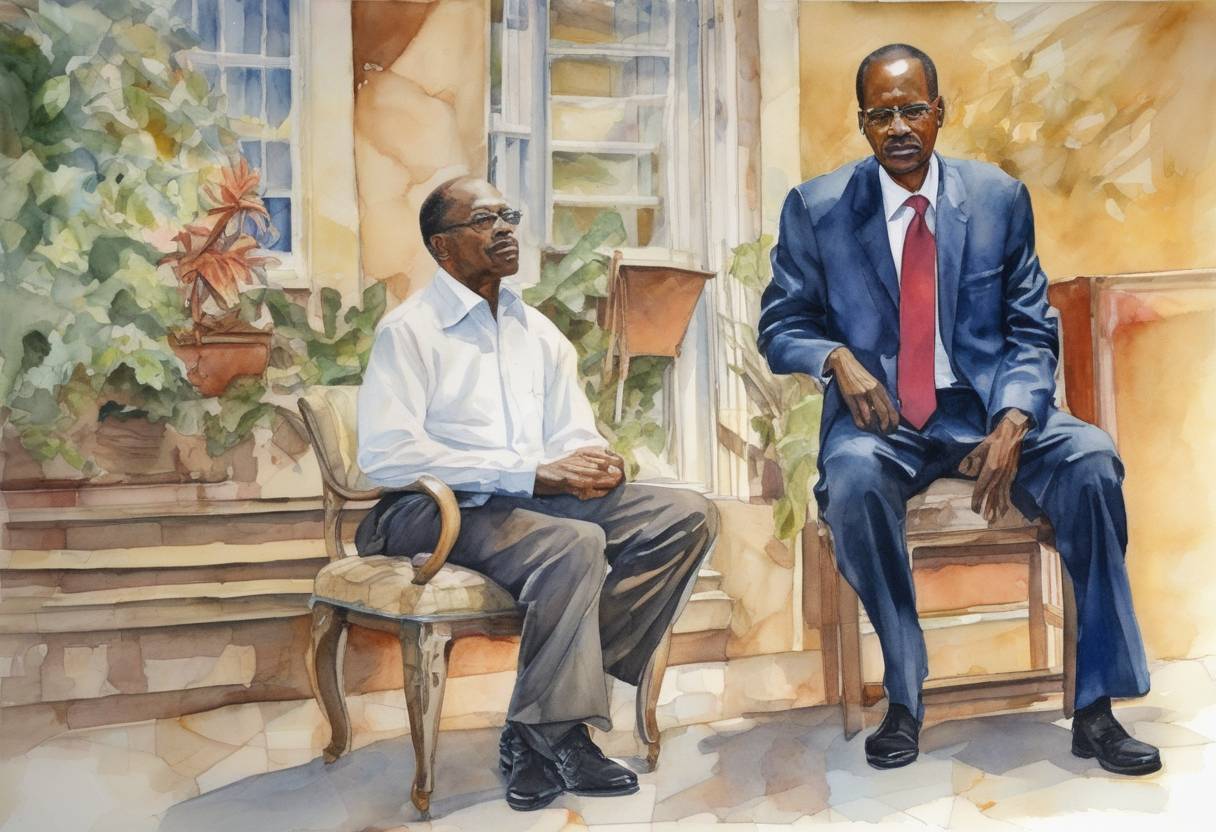
On February 29, 2004, Jean-Bertrand Aristide, the President of Haiti, was ousted from power and fled the country amid a rebellion and political crisis. This event marked a significant turning point in Haiti’s tumultuous political landscape.
Jean-Bertrand Aristide, a former Roman Catholic priest, first became President of Haiti in 1991, following a popular movement against the Duvalier dictatorship. His presidency was short-lived, as he was ousted in a military coup later that year. Aristide was restored to power in 1994 with the help of a U.S.-led intervention and served until 1996. He was re-elected in 2000, but his second term was marred by allegations of corruption, electoral fraud, and increasing authoritarianism.
Political Unrest: Aristide’s second term saw growing dissatisfaction among various sectors of Haitian society, including opposition parties, civil society groups, and former allies. Accusations of corruption and human rights abuses fueled discontent.
Rebellion: By early 2004, a full-scale rebellion had erupted. Armed groups, including former military personnel and local militias, seized control of several cities in northern Haiti. The rebellion was partly driven by the disillusionment with Aristide’s governance and the deteriorating economic conditions.
International Pressure: The international community, including the United States, France, and Canada, expressed concern over the escalating violence and political instability. Diplomatic efforts to broker a peaceful resolution failed, and pressure mounted on Aristide to resign.
On February 29, 2004, amid the intensifying rebellion and international pressure, Aristide left Haiti. The circumstances of his departure remain controversial. Aristide claimed he was forced to resign and was effectively kidnapped by U.S. forces, a charge the U.S. government denied, asserting that he left voluntarily.
Departure: Aristide was flown to the Central African Republic, where he was granted temporary asylum. His departure left a power vacuum in Haiti, exacerbating the country’s political instability.
Interim Government: Following Aristide’s departure, an interim government was established, led by Prime Minister Gérard Latortue. The United Nations authorized a peacekeeping mission, the United Nations Stabilization Mission in Haiti (MINUSTAH), to restore order and support the transitional government.
Continued Instability: Aristide’s ouster did not resolve Haiti’s deep-seated political and economic challenges. The country continued to experience political instability, social unrest, and economic hardship.
Aristide’s Return: Aristide lived in exile in South Africa until 2011, when he returned to Haiti. His return was met with mixed reactions, reflecting the ongoing divisions in Haitian society.
Legacy: Aristide remains a polarizing figure in Haitian politics. His presidency and subsequent ouster highlight the complexities of Haiti’s struggle for democracy, sovereignty, and development.
The events of February 29, 2004, underscore the fragile nature of Haiti’s political system and the enduring challenges the nation faces in achieving stability and prosperity.
Source: www.bbc.com