Christmas Declared a Federal Holiday in the United States
1870 · Washington, D.C., United States
The Christian holiday of Christmas was declared a federal holiday in the United States.
May 10, 1908
Mother's Day is observed for the first time in the United States, in Grafton, West Virginia.
Grafton, United States
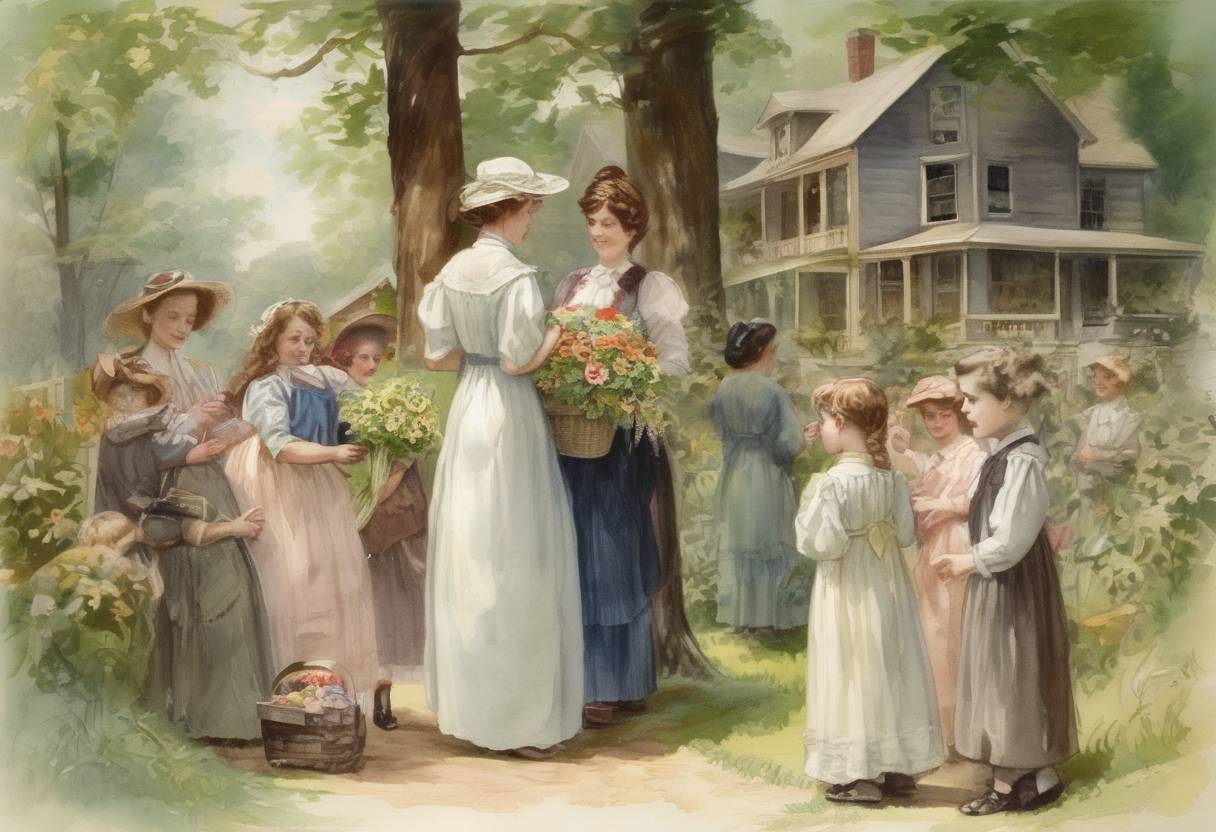
On May 10, 1908, the first official observance of Mother’s Day took place in Grafton, West Virginia. This event marked the beginning of a tradition that would spread across the United States and eventually become a national holiday.
The idea of Mother’s Day was championed by Anna Jarvis, who sought to honor her own mother, Ann Reeves Jarvis. Ann was a peace activist who cared for wounded soldiers on both sides of the American Civil War and created Mother’s Day Work Clubs to address public health issues. After her mother’s death in 1905, Anna Jarvis wanted to establish a day to honor the sacrifices mothers made for their children.
The first official Mother’s Day was celebrated at St. Andrew’s Methodist Church in Grafton, West Virginia, where Anna’s mother had taught Sunday school. On this day, Anna Jarvis distributed white carnations, her mother’s favorite flower, as they symbolized the purity of a mother’s love. The event was attended by 407 children and their mothers, marking a significant moment in the recognition of mothers’ contributions to society.
Following the success of the initial celebration, Anna Jarvis embarked on a campaign to have Mother’s Day recognized as a national holiday. Her efforts included writing letters to newspapers and politicians, advocating for the establishment of a dedicated day to honor mothers.
In 1914, President Woodrow Wilson signed a proclamation designating the second Sunday in May as Mother’s Day, officially recognizing it as a national holiday. This was a significant achievement for Anna Jarvis and a testament to her dedication to honoring mothers.
Mother’s Day has since become a widely celebrated occasion, not only in the United States but around the world. It serves as a day to appreciate and honor the contributions of mothers and maternal figures in society. However, Anna Jarvis later became critical of the commercialization of the holiday, believing it detracted from the original intent of personal appreciation and gratitude.
The first observance of Mother’s Day in Grafton, West Virginia, on May 10, 1908, laid the foundation for a tradition that continues to be celebrated today. It highlights the enduring importance of recognizing and valuing the role of mothers in nurturing and shaping future generations.
Source: en.wikipedia.org