North Korea's First Successful ICBM Test on July 4, 2017
2017 · Pyongyang, North Korea
North Korea conducted its first successful test of an intercontinental ballistic missile (ICBM), claiming it could reach the United States.
November 29, 2017
North Korea tested the Hwasong-15 missile, which it claimed could reach the entire U.S. mainland, marking a significant advancement in its missile capabilities.
Pyongyang, North Korea | North Korean government
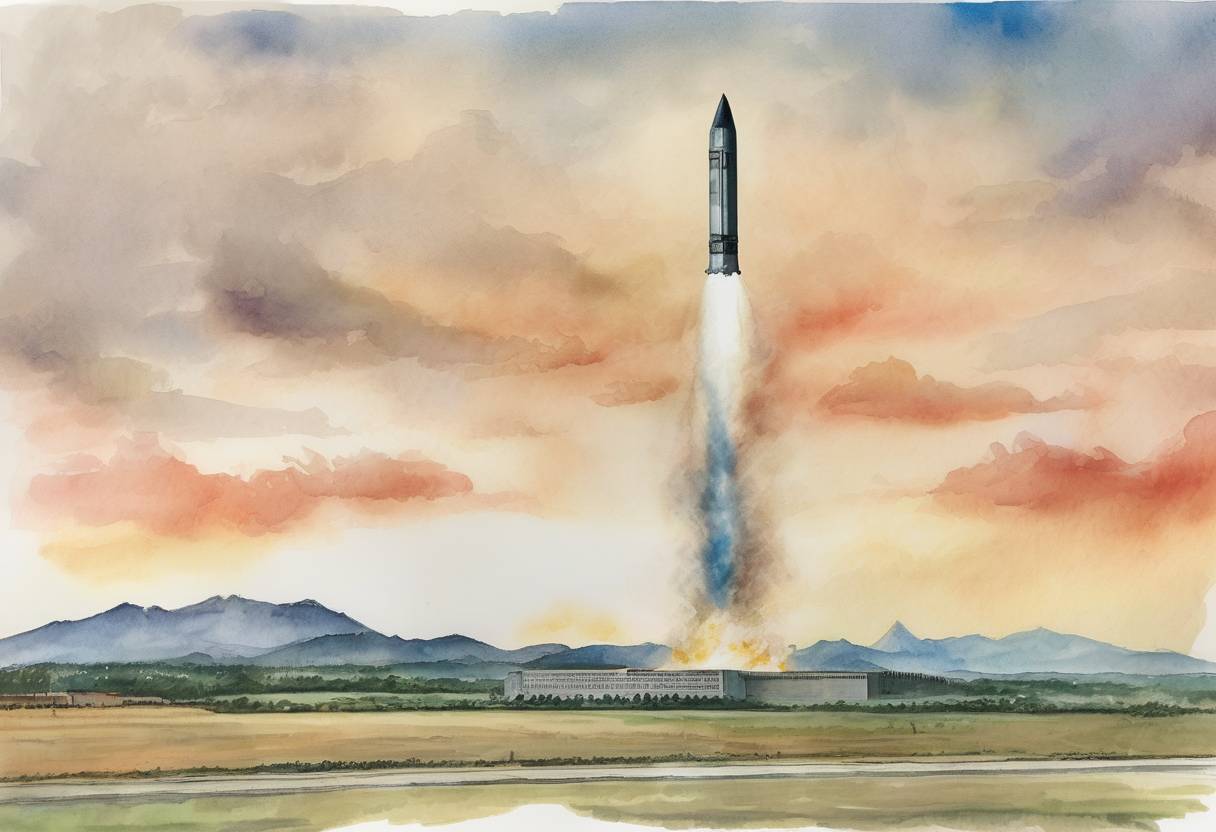
On November 29, 2017, North Korea conducted a significant missile test that marked a pivotal moment in its ballistic missile development program. The missile tested was the Hwasong-15, an intercontinental ballistic missile (ICBM) that North Korea claimed could reach the entire U.S. mainland. This test represented a substantial advancement in North Korea’s missile capabilities and had far-reaching implications for international security and diplomacy.
Prior to the Hwasong-15 test, North Korea had been steadily advancing its missile technology, conducting a series of tests throughout 2017. The year was marked by heightened tensions on the Korean Peninsula, with North Korea’s missile and nuclear tests drawing international condemnation and leading to increased sanctions from the United Nations.
The test drew immediate and widespread condemnation:
The Hwasong-15 test underscored North Korea’s determination to develop a credible nuclear deterrent, significantly altering the strategic calculus in the region. It highlighted the challenges faced by the international community in addressing North Korea’s missile and nuclear ambitions.
In summary, the Hwasong-15 missile test on November 29, 2017, was a critical event in North Korea’s missile development program, with significant implications for global security and diplomatic relations.
Source: en.wikipedia.org